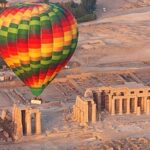
Waking up at 4:30 AM changes the whole trip. This Luxor-to-Aswan Nile cruise with a hot air balloon pairs big-ticket ancient sights with smooth logistics, from A/C transport to included admissions and meals onboard. You get temple days that feel organized, not chaotic, plus evenings with onboard entertainment.
What I love most is the built-in rhythm: Egyptologist-guided visits to Karnak, Luxor, Edfu, Kom Ombo, and Philae, with the kind of context that makes the carvings make sense. Another win is the comfort factor—everything from pickup to museum transfers is handled in air-conditioned vehicles, and you’re never stuck figuring out how to move between sites.
One consideration: you’ll do two early mornings that can be rough if you’re not a morning person—the balloon at 4:30 AM and Abu Simbel starting at 5:00 AM—and the days can feel full, with fewer “hang out” hours.
In This Review
- Key highlights you’ll care about
- Nile in Style 5D: What You’re Really Buying for $899
- Luxor Temple and Karnak: The Real Start of Ancient Thebes
- The Balloon at 4:30 AM: The Best Type of Early Morning
- West Bank Highlights: Valley of the Kings and Deir el-Bahari
- Edfu: Temple of Horus and a Horse Carriage Moment
- Kom Ombo: Two Gods, One Stop Worth Slowing Down For
- Aswan High Dam and Philae: Nile Power Meets Sacred Island
- Abu Simbel at Dawn: The Big Finale Without the Stress (Mostly)
- Guides, Meals, and Transport: Where This Tour Feels Thoughtful
- Value Check: When This Tour Makes Sense (and When It Doesn’t)
- Who Should Book Nile in Style 5D
- Final verdict: should you book?
- FAQ
- FAQ
- How long is the cruise?
- What meals are included?
- Is pickup included?
- Do I need to buy temple tickets?
- Is there an Egyptologist guide?
- What time is the hot air balloon ride?
- How do you get to Philae Temple?
- What special transport is used at Edfu?
- What is the start time for Abu Simbel?
- What happens if weather is poor?
- Can I cancel for a refund?
Key highlights you’ll care about
- Sunrise hot air balloon over Luxor, timed for early morning views
- Karnak + Luxor Temples with Egyptologist-led explanations and included admissions
- Horse carriage transport used for the Edfu temple visit
- Philae Temple by motorboat to the island site
- Felucca ride on the Nile around Kitchener’s Island and the Aga Khan Mausoleum
- Abu Simbel at dawn with a breakfast box and early departure flow
Nile in Style 5D: What You’re Really Buying for $899
At $899 per person for 5 days / 4 nights, this tour is aiming at one thing: making Egypt’s greatest-hits circuit feel doable. You’re not just “seeing temples.” You’re getting a structured sequence of Luxor and Aswan monuments, with the travel friction reduced by included guides, transfers, meals, and site admissions.
The big value is that the day-by-day workload is handled for you. You’ll have pickup in Luxor (from your hotel or Luxor airport), A/C ground transportation for excursions, and a schedule that moves between sites efficiently. On top of that, you’ve got full board onboard—breakfast, lunch, and dinner are included across the cruise.
A detail that matters: admission fees are included as part of the sightseeing package. For many visitors, that’s the difference between an OK price and a genuinely good deal, because entrance tickets add up quickly in Egypt.
You can also read our reviews of more tours and experiences in Luxor.


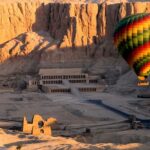
Luxor Temple and Karnak: The Real Start of Ancient Thebes
Your first day in Luxor is built around Karnak and Luxor Temples, and it’s a smart way to open. Starting on the east bank with these two anchor sites gives you immediate scale. Karnak can feel like you’re standing inside a whole civilization’s worth of planning, while Luxor Temple feels more intimate—still monumental, but easier to “read” as you walk.
After pickup and transfer to the cruise, you board before lunch. Then lunch is onboard, and you head out for the temples. Luxor Temple is the courtyard focus, plus the granite statues of Ramses the Great. I like how the day mixes dramatic exterior moments with the idea that these buildings were political tools, not just religious ones.
Karnak is the heavy hitter. You’ll visit the Avenue of Sphinxes, the Unfinished Propylon, and the Hypostyle Hall with 134 gigantic columns. You also stop at the Obelisks of Queen Hatshepsut and Thutmose III, then explore the temple of Amun with lotus and papyrus motifs—details that help you see patterns instead of just absorbing random carvings.
You’ll have an Egyptologist guide throughout this temple block. That’s important on Karnak. Without context, it’s impressive but easy to feel lost. With context, you start noticing how each reign layered meaning onto the same sacred site.
Optional add-on: there’s a sound and light show at Karnak for $40 per person. If you like nighttime atmosphere and want a different way to experience the ruins, it’s worth considering. If you’re tired after a full day, it’s also easy to skip.
The Balloon at 4:30 AM: The Best Type of Early Morning
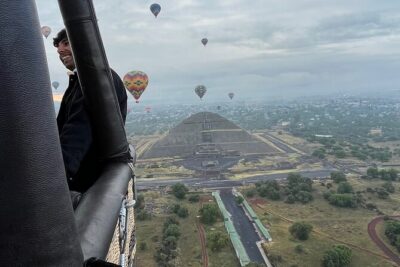
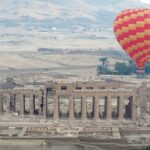
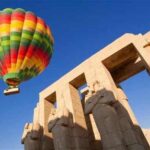
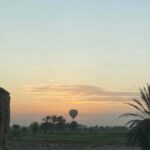
Day two starts with the hot air balloon ride in Luxor, beginning around 4:30 AM. This is one of the best ways to understand Luxor’s geography. From the sky, you can see how the river shapes the city and the temple zones sit like pieces of a giant puzzle.
The balloon also functions as a reset. After the early flight, you come back to the cruise for breakfast and then immediately shift into the West Bank sites. That sequence keeps the momentum high, and it helps you avoid the post-dawn “what now?” feeling.
You should know that balloon rides are weather dependent. The tour is set up with the expectation that conditions are good; if not, the experience may be rescheduled or refunded, depending on the operator’s decision.
West Bank Highlights: Valley of the Kings and Deir el-Bahari
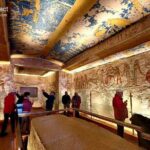
After breakfast, you head into the West Bank, a side of Luxor that feels quieter and more dramatic. You’ll visit the Valley of the Kings, where tombs of different dynasties are located. The time in the valley matters because you’re looking at architecture that evolved over generations—and you’re walking in the footsteps of people who believed their afterlife depended on precision.
From there, you pair the tomb area with El Deir El Bahari and the Temple of Queen Hatshepsut. This is a site I think many visitors remember most clearly, because it has a visual logic. The terraces feel built to be seen from afar, and the setting makes it look staged, even before you read the symbolism.
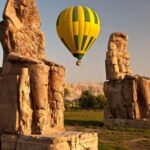
You also visit the Colossi of Memnon: two massive sitting statues facing the Nile, representing Amenophis III. These statues are like landmarks in stone—big enough that you can orient yourself, even if the rest of the West Bank feels like a maze.
Logistically, the day is tight. It’s impressive, but if you dislike long walking stretches, pack comfortable shoes and pace yourself. You’ll likely be moving from one major stop to another with limited downtime.
Edfu: Temple of Horus and a Horse Carriage Moment
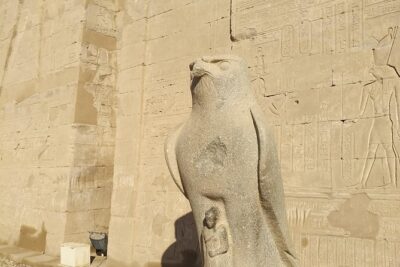
After sailing during the day (you’ll sail to Esna and then onward), you arrive overnight in Edfu. Day three morning is centered on the Temple of Horus in Edfu, which is one of Egypt’s best-preserved temple complexes.
You’ll use a horse carriage as part of the transport for the Edfu temple area. I like including one small “local transport” moment like this because it breaks up the standard bus routine without adding complexity. It’s also a quick way to get a sense of how visitors move through the temple zone.
This temple stop runs about two hours. With an Egyptologist guide leading, you’ll be able to connect the temple’s layout to its mythic and religious purpose rather than just scanning walls for cool pictures.
In the evening, the cruise includes onboard entertainment—this route includes a disco party and other themed nights. If you’re traveling for quiet downtime, you might treat these as optional extras rather than a must-do. Still, it’s included, and it’s part of the cruise culture.



Kom Ombo: Two Gods, One Stop Worth Slowing Down For
You sail to Kom Ombo, and the focus becomes one site: the Temple of Kom Ombo. This temple is dedicated to two gods—Sobek (crocodile god) and Haroeris/Horus (linked with the falcon). That dual dedication is what makes it feel different from many other monuments.
You’ll have about a two-hour visit here. The guide’s explanations are what keep this from becoming a “walk and hope” experience. Instead of just seeing rows of figures, you’ll start noticing how the temple is organized around the idea of two divine functions sharing a single sacred complex.
After that, you’ll spend the night onboard in Kom Ombo. Dinner and the onboard atmosphere are included, so you get a full day without needing to plan anything in the evening.
Aswan High Dam and Philae: Nile Power Meets Sacred Island
On day four, you arrive in Aswan, and the itinerary makes the contrast clear: modern engineering and ancient worship, side by side.
You’ll visit the Aswan High Dam, plus the Granite Quarries and the Temple of Philae. Then you’ll sail on the Nile by felucca around Kitchener’s Island and the Aga Khan Mausoleum. This is a nice pacing tool. After temple walking, you get time on the water that feels more relaxed—even if the schedule stays active.
Philae Temple is accessed by a short motorboat ride to the island. That transport detail matters because it’s part of the experience. You’re not just getting to a site; you’re moving from shore to temple in a way that matches the island location and helps the temple feel “set apart.”
The Philae stop is also long enough to let the place register. You’ll be on the island, learning how the temple complex connects to Isis and how it was ordered by native Pharaoh Nectanebo I. The tour keeps the story tied to what you’re seeing, which is exactly what you want on a day that also includes the High Dam.
Abu Simbel at Dawn: The Big Finale Without the Stress (Mostly)
Day five is built around Abu Simbel Temple Complex, and it starts early. You disembark and then take A/C transport to the site, with a breakfast box because the tour starts at 5:00 AM.
Abu Simbel is one of those places that feels bigger than photos. It’s carved into a sandstone rock cliff and associated with Ramses II. The key detail here is that it was saved from inundation of the Nile by being relocated—so you’re not just seeing ancient work, you’re seeing a modern act of preservation.
You’ll also see the smaller temple dedicated to Nefertari, devoted to the goddess Hathor. That pairing helps you understand why the complex matters: it’s not only about one ruler’s propaganda, but also about the roles of royal figures in the religious system.
After the visit, you return to the cruise to pick up luggage and then transfer to Aswan airport. If you’ve got an outbound flight, this routing is designed to keep your departure aligned. Still, the early start means you should treat the morning like an appointment, not a casual stroll.
Guides, Meals, and Transport: Where This Tour Feels Thoughtful
The tour includes a qualified English-speaking Egyptologist guide and uses A/C vehicles for ground transport. That’s not flashy, but it’s huge in Egypt. Heat and time pressure make bad logistics a problem. Here, the schedule is built to keep you moving with less friction.
Meals are included onboard for the cruise days—breakfast, lunch, and dinner—so you don’t have to hunt for food between temples. You’ll also have afternoon tea and nightly entertainment, including a belly dance show early on and themed nights like galabya and a disco party.
One practical upside: when meals are handled, you can plan your energy. I’d rather spend calories resting and walking correctly than guessing whether the next meal stop will be worth the effort.
Also included is souvenirs shopping time. I don’t treat it as a must. But if you want the option to pick up small items without going out of your way, it’s there.
Value Check: When This Tour Makes Sense (and When It Doesn’t)
This is a good fit if you want the Luxor-to-Aswan circuit with reduced planning overhead. You get:
- temple-heavy days with guided interpretation
- included admissions
- included onboard meals and entertainment
- A/C transfers plus specific transport touches (horse carriage, motorboat, felucca)
It might not be your best match if you want lots of free time. The day structure is full. Even with an enjoyable cruise vibe, you’ll spend your energy on scheduled stops rather than drifting around on your own.
And if you’re sensitive to early wakeups, the two dawn moments (balloon and Abu Simbel) are the dealbreaker category. You can absolutely enjoy them, but you’ll need the mindset for mornings that start before the sun.
Who Should Book Nile in Style 5D
This tour is ideal for:
- first-timers who want a confident, guided overview of Egypt’s must-see sites
- travelers who value included admissions and smooth transfers
- people who like structured days but still want cruise downtime in between
It’s less ideal for:
- anyone who wants a slow, flexible pace
- travelers who strongly dislike early mornings
Final verdict: should you book?
If you want a Luxor-to-Aswan Nile cruise with Abu Simbel that doesn’t require you to build the itinerary yourself, I’d say yes. The combination of guided temple stops, included admissions, full onboard meals, and distinctive transport moments like the horse carriage and motorboat makes the package feel efficient for the price.
Just be honest with yourself about the early mornings. If you can handle a 4:30 AM start and a 5:00 AM finish, this trip hits the sweet spot of effort-to-reward.
FAQ
FAQ
How long is the cruise?
It’s about 5 days with 4 nights on a Nile cruise from Luxor to Aswan.
What meals are included?
Full board is included while onboard, with breakfast, lunch, and dinner served across the cruise days. Tea is also included.
Is pickup included?
Pickup and transfer are included in Luxor from your hotel or from Luxor airport. Pickup outside Luxor city is available but costs extra.
Do I need to buy temple tickets?
No. The sightseeing package includes admission fees.
Is there an Egyptologist guide?
Yes. The tour includes a qualified English-speaking Egyptologist guide. Other languages may be available on request for an extra cost.
What time is the hot air balloon ride?
The hot air balloon ride starts around 4:30 AM.
How do you get to Philae Temple?
You take a motorboat ferry to Philae Temple Island.
What special transport is used at Edfu?
A horse carriage is used as transport for the Edfu temple visit.
What is the start time for Abu Simbel?
The Abu Simbel visit starts at 5:00 AM, and you’ll get a breakfast box because of the early departure.
What happens if weather is poor?
The experience requires good weather. If it’s canceled due to poor weather, you’ll be offered a different date or a full refund.
Can I cancel for a refund?
Yes. You can cancel up to 6 days in advance for a full refund. If you cancel 2–6 days in advance, you receive a 50% refund, and less than 2 days before the experience is not refundable.