REVIEW · ASWAN
4-Day Nile Cruise From Aswan to Luxor, Abu Simbel Hot Air Balloon
Book on Viator →Operated by Luxor Cultural Tours & Package - Egypt 24 Travel · Bookable on Viator
A 5:00 AM temple sprint sounds wild. This 4-day Nile cruise from Aswan to Luxor pairs Abu Simbel with a sunrise Valley of the Kings visit, all while you sleep on the river. It’s the kind of trip where ancient sites stack up fast, but you’re not switching hotels every night.
I love the simple rhythm: early sights, a relaxed cruise in between, and evenings that feel like real Egyptian life (including a Nubian party). I also like that you’re guided end to end by an Egyptologist, so the temples don’t feel like random stone blocks. One possible drawback to watch for: the days start early, and the schedule can feel tight, especially on the Abu Simbel and balloon mornings.
If you want “big Egypt” in a short window, this is built for you. You’ll see both sides of Luxor, sail the Nile, and add the balloon over Luxor for the wow factor. Just be ready for long days, and keep some flexibility for operational hiccups that can happen with any cruise.
In This Review
- Key highlights to look for
- Aswan start: Philae by motorboat and the High Dam stop
- Abu Simbel at 5:00 AM: the long day that earns its paycheck
- Sailing days: Kom Ombo, Edfu by horse carriage, and the Esna lock moment
- Luxor West Bank sunrise energy: Valley of the Kings, Hatshepsut, and Memnon
- Hot air balloon over Luxor: timing, refund rules, and weather reality
- Karnak and Luxor Temple: finishing the loop on the East Bank
- Ship comfort, food, and service: what’s usually great, what can go wrong
- Guides like Mahmoud, Ahmed, Omar, and Ayman can make or break it
- Price and value: what you’re paying for at $787 per person
- Group rhythm versus private feel: how your day will actually move
- Should you book this Aswan to Luxor cruise with Abu Simbel and a Luxor balloon?
- FAQ
- What are the cruise departure days?
- How long is the experience?
- What’s included in the package meals?
- Does the tour include an air-conditioned transfer?
- Is the hot air balloon included, and what if it’s cancelled?
- What major sights are included in Luxor?
- Are drinks like water included?
Key highlights to look for
- Philae Temple by boat in Aswan, plus the Aswan High Dam on your first full day
- Abu Simbel pickup around 5:00 AM, returning to Aswan by about 1:00 PM
- Hot air balloon over Luxor around 5:30 AM, with a stated 800 L E refund if the balloon is cancelled
- Luxor West Bank at sunrise style timing: Valley of the Kings, Queen Hatshepsut temple, and the Colossi of Memnon
- Both-bank Luxor finish: Karnak Temple plus Luxor Temple later on the same day
Aswan start: Philae by motorboat and the High Dam stop
Your trip kicks off in Aswan with pickup from your hotel, train station, or airport. The start time is listed as 12:00 pm, which matters because you’ll be “in motion” that same day, not waiting around for days to begin.
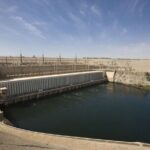
The first sightseeing block is Philae Temple. You head down to the Nile and go by motorboat to visit the temple, which is a great way to get oriented fast: you arrive with the river right there, not behind glass. Afterward, you pair that with a visit to the Aswan High Dam—a practical contrast to the temple stones. It helps you understand how modern Egypt shaped what you can see on the Nile today.
Later, you check into the cruise. The evening includes a Nubian party hosted by the cruise staff, which is a genuinely different vibe from a typical museum evening. You’re not just learning history. You’re catching culture in motion.
You can also read our reviews of more tours and experiences in Aswan.
- 4-Days Nile Cruise From Aswan To Luxor including Abu Simbel and Hot Air Balloon
★ 5.0 · 3,142 reviews
Abu Simbel at 5:00 AM: the long day that earns its paycheck
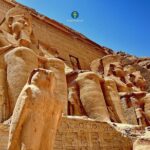
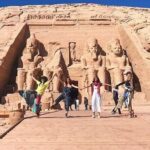
Abu Simbel is the headline, and the timing is part of the experience. You’re picked up around 5:00 AM, which is early enough to feel like a mission. The payoff is that you get to see the temples before the day fully heats up and crowds thicken.
You return to Aswan around 1:00 PM, which is actually useful. It gives you a real chunk of time on the timeline rather than turning Abu Simbel into an all-day endurance test. It also means the rest of your travel days can flow into sailing time.
One other thing I like about how this is handled: you’re not only driving and walking. The cruise moves from there toward Kom Ombo, so you get that “travel between worlds” feeling. You’ll see natural Nile views, and you can grab photos of the Egyptian and Nubian cultures along the way. That photo-friendly angle is more than vanity; it’s how you start learning the geography of this part of Egypt.
Tip: because Abu Simbel is so early, you’ll want to have your day kit ready the night before—anything you need for comfort and sun, plus a layer. Early departures are where small things become big things.
Sailing days: Kom Ombo, Edfu by horse carriage, and the Esna lock moment
After Abu Simbel, the cruise schedule builds in a classic Nile sequence: sail, stop for a temple, sail again. You visit Kom Ombo Temple next, then continue toward Edfu.
What makes Kom Ombo work is the pacing. It isn’t just “another temple stop.” It’s a break where you switch from early-morning adrenaline to slower Nile time. The temple visit gives you a clear reason to be there, and the sailing afterward gives you time to reset your brain.
Edfu is where you add a local twist: you go to the Edfu Temple by horse-carriage. It’s a short, old-school transport moment, and it helps the day feel less like a straight line of buses. You also get time on the cruise sun deck during the sail, including Egyptian tea during the transit. That little ritual matters on a packed trip. It gives you a pause long enough to actually notice the river.
Then comes the Esna lock passage. Locks sound boring on paper. On the Nile, it’s one of those behind-the-scenes logistics you don’t normally see in other countries. It’s a reminder that you’re traveling on a working river, not a movie set.
Luxor West Bank sunrise energy: Valley of the Kings, Hatshepsut, and Memnon
Luxor arrives at sunset time, so the city begins with an evening vibe. After that, the West Bank day is scheduled for around 5:30 AM, and that’s exactly the kind of timing that changes how the sights feel.
You start with the Valley of the Kings, then continue to Queen Hatshepsut’s temple and the Colossi of Memnon. If you’ve ever felt overwhelmed by Egypt’s scale, this trio helps. You see multiple styles of monumental building in one sweep, and you get the visual story from different angles.
The Colossi of Memnon are a great early-morning stop because they let you do something simple: stand there and absorb scale. The Hatshepsut temple adds movement and depth, so it doesn’t feel like you’re just looking at one flat facade. And Valley of the Kings gives you that “this is where power lived” feeling, with tombs that make the ancient world feel close.
Also, the schedule is designed so you can still finish the West Bank before the day gets fully busy. That’s important. Egypt’s sun is not subtle, and early timing makes walking far more comfortable.
Practical note: you’ll want comfortable shoes and a layer you can remove. Early starts plus later heat can be a temperature roller coaster.
Hot air balloon over Luxor: timing, refund rules, and weather reality
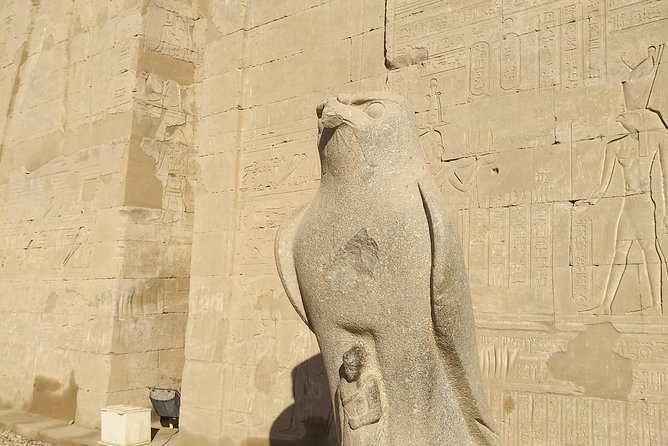
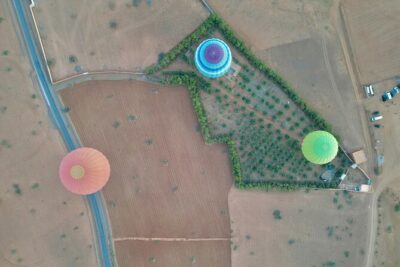
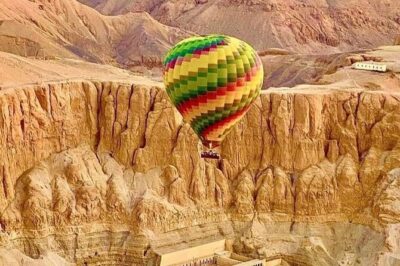
The balloon happens early, scheduled around 5:30 AM on the Luxor West Bank day. You get that classic aerial view of Luxor’s area, which is the part of the trip that feels most “special-occasion.”
The tour lists a hot air balloon included, with an important caveat: if the balloon is cancelled, you receive a refund of 800 L E. It also clearly states the experience requires good weather, so weather cancellations are a real possibility here.
You also have a clear limitation listed for balloon participation: children under 6 years are not allowed. If you’re traveling with young kids, you’ll need to plan around that.
My advice: if you’re the type who gets stressed by uncertainty, treat the balloon as a bonus, not a guarantee. The way this is set up still gives you world-class temple time even if the balloon doesn’t happen.
Karnak and Luxor Temple: finishing the loop on the East Bank
After the balloon and West Bank temples, you drive to the East Bank. Your next temple focus is Karnak Temple, described as the largest temple in the world. That size claim is part hype, part reality. Even if you don’t measure it, you can feel it once you’re inside the complex.
Finally you visit Luxor Temple, wrapping up the day with a “last big wow.” This end-of-trip structure is smart. Karnak gives you the scale and the complexity. Luxor Temple gives you something more direct and walkable to close the loop.
You’ll be transferred in comfort afterward to your hotel, train station, or Luxor Airport. That matters because after a long day, the worst thing is scrambling. Here, the ride is planned for you.
Ship comfort, food, and service: what’s usually great, what can go wrong
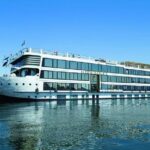
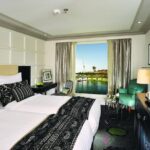
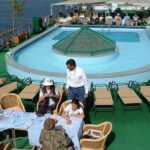
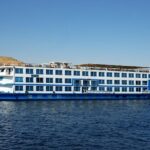
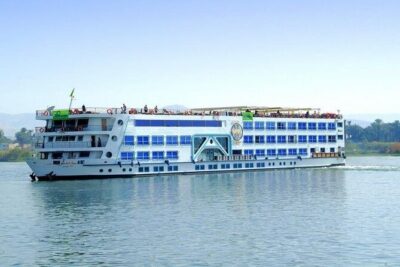
This is booked as a 3-night stay on a 5-star Nile cruise. The positive theme in the experience is consistent: people describe the ship as well-maintained, clean, and comfortable, with rooms that can be spacious and even include a private balcony. That balcony detail is a big deal on a Nile cruise, because it turns your cabin into another viewpoint, not just a place to sleep.
Meals are listed from the first day lunch through the last day breakfast, with 3 lunches, 3 dinners, and 3 breakfasts included. In the better experiences people describe breakfast as good and the dining as varied. You’ll also have onboard breaks between sightseeing, so you’re not eating only when it’s convenient for the guide.
Still, there’s a balance you should be aware of. Some people have flagged issues like delays and even mechanical problems on the cruise, plus reports of food and service quality that didn’t match expectations. That’s not something you can eliminate, but it is something to factor in your decision: you’re paying for a moving hotel and a tight schedule, so the experience can be affected by logistics.
My practical approach: go in expecting a strong core trip (temples and sailing), but keep your mindset flexible about onboard operations and meal quality. If dining is a high priority for you, consider budgeting for at least some drink comfort outside meals, since drinks like water are not included.
Guides like Mahmoud, Ahmed, Omar, and Ayman can make or break it
The tour includes a qualified Egyptology tour guide, and that’s not a small detail. Temples are easier to enjoy when someone explains what you’re looking at in plain language.
The guide names appearing in the experiences I saw include Mahmoud, Ahmed, Omar, and Ayman. That variety tells me you’re likely to get a professional who can connect the sites into a story rather than just read facts.
Here’s how to use that advantage: ask questions when the group pauses. If you’re curious about why a temple is shaped a certain way or how rulers relate to the gods, that’s exactly when it’s easiest to get a satisfying answer.
Price and value: what you’re paying for at $787 per person
At $787 per person, you’re not just buying transportation. You’re buying a bundle: multi-day cruise accommodation, most major entrances, a guide, transfers by air-conditioned vehicle, and a big add-on with the balloon.
It’s value if you want to cover a lot without the hassle of planning logistics between Aswan and Luxor. You also get entrance fees included for the main sightseeing stops, which saves time and adds predictability to your budget.
It’s not value if you prefer slow travel, or if you can’t handle early mornings. Abu Simbel at 5:00 AM and the balloon/West Bank timing are the heart of this trip, and they come with a wake-up schedule that’s not for everyone.
Also remember what’s not included: tipping for cruise staff, guides, and drivers; drinks (including water) on the cruise; and any extra attractions beyond what’s listed. Those add-ons usually matter more in practice than they do in the brochure.
Group rhythm versus private feel: how your day will actually move
The tour description mentions both group and private framing. It’s listed as a private tour/activity, meaning only your group participates. At the same time, Abu Simbel is stated as with a group.
So what should you expect? You’ll likely have your guide and transfers lined up for your group, while certain timed entries or transport slots (like Abu Simbel) are managed through shared bookings. That’s normal for Egypt’s “peak demand” sites.
The important point is not whether your day is technically private. It’s whether the experience is managed tightly. The best versions feel organized and smooth. The worst versions tend to come from operational delays, which is always the risk with early departures and a moving ship.
Should you book this Aswan to Luxor cruise with Abu Simbel and a Luxor balloon?
I’d recommend it if you want a high-impact Egypt plan in four days: Aswan’s Philae and High Dam, Abu Simbel by early start, a classic temple sail sequence (Kom Ombo and Edfu), then Luxor West Bank at sunrise timing, followed by Karnak and Luxor Temple. If balloon time over Luxor is on your bucket list, this package is one of the more direct ways to fit it in.
I’d think twice if you hate early mornings, get cranky when schedules shift, or dining quality is your top priority. In a small slice of experiences, people have reported delays or onboard service problems, which can make a big difference when you’re paying for comfort.
If you do book, pack for long days and sun, plan to hydrate with what’s available to you (since drinks aren’t included), and bring a flexible mindset for weather-driven balloon changes. With the right guide and a smooth run, this is the kind of trip that sticks with you long after you leave the Nile behind.
FAQ
What are the cruise departure days?
The Nile cruise runs every Monday, Wednesday, and Friday.
How long is the experience?
It’s about 4 days, with 3 nights on the Nile cruise.
What’s included in the package meals?
Meals run from the first day lunch to the last day breakfast, including 3 lunches, 3 dinners, and 3 breakfasts.
Does the tour include an air-conditioned transfer?
Yes. Transfers are included by air-conditioned modern vehicles, with pickup from your hotel, train station, or airport in Aswan.
Is the hot air balloon included, and what if it’s cancelled?
The hot air balloon is included. If it’s cancelled, the tour states you’ll receive a refund of 800 L E. It requires good weather.
What major sights are included in Luxor?
Luxor includes the Valley of the Kings, Queen Hatshepsut temple, the Colossi of Memnon, Karnak Temple, and Luxor Temple.
Are drinks like water included?
No. Drinks, even water on the cruise, are not included.
You Might Also Enjoy

More Tour Reviews in Aswan
- 4-Days Nile Cruise From Aswan To Luxor including Abu Simbel and Hot Air Balloon
★ 5.0 · 3,142 reviews