REVIEW · SAFAGA
Safaga port 2 Days tour to luxor with hot air balloon
Book on Viator →Operated by King TUT Tours · Bookable on Viator
Two days, one of Egypt’s best hits. This is a focused Luxor sprint that starts right when your cruise docks at Safaga, then turns into temples, tombs, and (if you want) a sunrise hot-air balloon over the Nile.
I especially like two things: first, you get major East and West Bank stops with a private guide, so you can move at your pace instead of being herded like cargo. Second, the guide quality can be excellent, including English that’s clear enough to follow the story properly, with Egyptologist-level guidance from people like Mahmoud and Abdul.
One possible drawback: the headline price is not the full bill. Entrance fees and the balloon are extra, and optional adds like the King Tut tomb ticket can change what you actually pay.
In This Review
- Quick hits you’ll feel fast
- Safaga to Luxor: how the timing actually fits a cruise stop
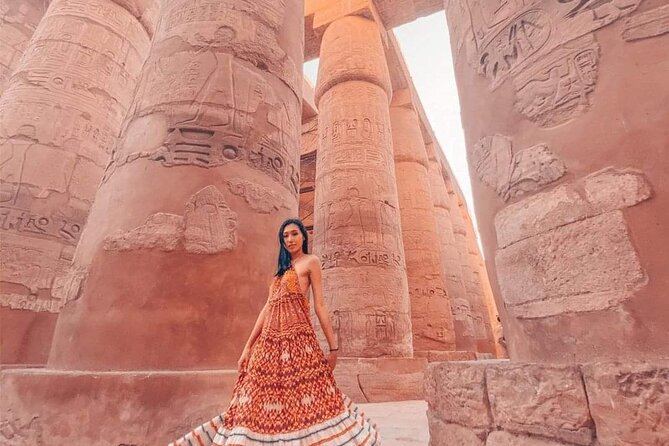
- Karnak Temple: the scale is real, but the guide makes it make sense
- Lunch in Luxor at an Egyptian-food spot
- Luxor Temple: Opet festival context makes the visit click
- Night in Luxor: your reset before the West Bank rush
- Hot air balloon at dawn: the bucket-list moment comes with weather math
- Valley of the Kings: three tombs, and a clear choice about Tutankhamun
- Deir el Bahari and Hatshepsut’s temple: why it’s one of the best-preserved stops
- Colossi of Memnon: a short stop that still lands
- Lunch with Nile-view vibes and a short boat trip
- Price and logistics: where the $200 per person number really stands
- Guide quality: clear English and Egyptology-level storytelling
- Who should book this Luxor-from-Safaga plan
- Tips to get the most out of the early start and tomb time
- Should you book this tour?
- FAQ
- How long is the Safaga to Luxor tour?
- What’s included in the tour price?
- What is not included?
- What time does the tour start?
- Do I need to buy tickets for Karnak and Luxor Temple?
- Will I see Tutankhamun’s tomb?
- Is the hot air balloon ride included?
- Is this a private tour?
- What happens if weather is bad for the balloon?
- Is the tour refundable if plans change?
Quick hits you’ll feel fast
- Cruise-to-Luxor transfer: pickup at Safaga port and a same-tour return for your ship schedule
- Private guiding: you can ask questions and slow down when something catches your eye
- Big East Bank first: Karnak plus Luxor Temple before you switch to tomb country
- Sunrise-style day: a very early start for the balloon option (weather-dependent)
- West Bank tomb approach: you visit 3 royal tombs, with Tutankhamun as an extra ticket
- Not just ruins: lunch at a Nile-view place and a short boat trip are built in
Safaga to Luxor: how the timing actually fits a cruise stop
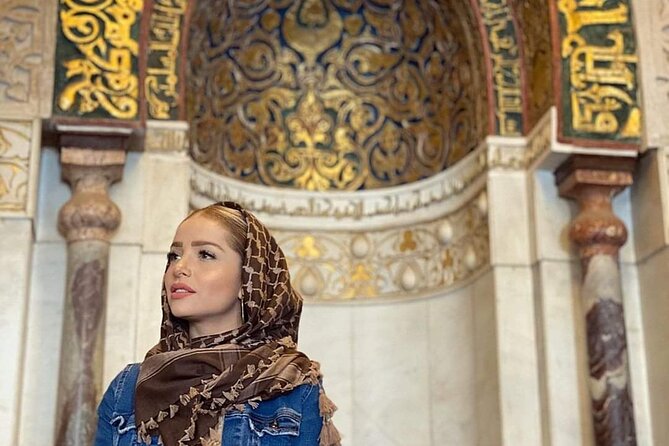
If you’re arriving by ship at Safaga, this tour is built around doing Luxor in a tight window. Day 1 starts with a pickup from your cruise ship at Safaga port and a drive to Luxor. Plan on roughly a 4-hour ride each way across the day, because Luxor is not a quick hop from the port.
What I like is the structure. You’re not waiting around all morning wondering what happens next. You get right into the East Bank temples, then an easy lunch break, then Luxor Temple, and finally a night in a Luxor hotel so you’re not scrambling at midnight.
The private format matters here. If your group wants more time looking at columns, inscriptions, or just taking photos, you’re not stuck on a rigid minute-by-minute line. That flexibility is one of the best forms of “value,” because it turns the limited time you have into time that feels useful.
Karnak Temple: the scale is real, but the guide makes it make sense
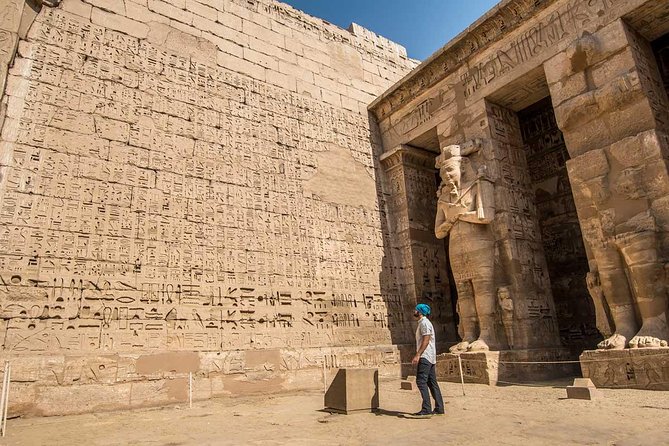
Karnak Temple is the kind of place where “big” doesn’t cover it. The complex is described as the largest temple complex ever built by man, spread over 247 acres, and it reflects work by many generations of builders and Pharaohs. That’s exactly why a guide helps: otherwise, it’s easy to get lost in the sheer size.
You’ll spend about 1 hour 30 minutes at Karnak. Entrance tickets are not included in the base price, so you’ll want to budget for site entry costs. Once you’re there, the experience is all about recognizing patterns—processional ways, different temple sections, and the way later rulers kept adding their names to earlier spaces.
A practical note: this stop is most enjoyable when you have the story. If your English is strong enough, ask your guide what you should look for first. If not, choose a guide who speaks clearly—people like Mahmoud (certified Egyptologist level, per past assignments) can turn Karnak from an overwhelming set of stones into a readable timeline.
Lunch in Luxor at an Egyptian-food spot
After Karnak, lunch is planned at an Oriental restaurant to taste Egyptian food, with about 30 minutes set aside. I like having lunch included, because it keeps the day from turning into a search mission for a decent meal near major sites.
This is also where you’ll feel the rhythm of the tour: temples on one side of the river, then a break, then one more major temple before you check in. It’s a good pacing choice if you want to see a lot without feeling like you’re sprinting.
What to do: eat something you know you can handle in the heat. Egypt can be humid and intense, and your balloon morning depends on you being rested.
Luxor Temple: Opet festival context makes the visit click
Luxor Temple is about 45 minutes, and it centers on one of the major festival rituals—the Festival of Opet. The temple function is tied to ceremonies, so it’s not just a pretty backdrop. When you understand what these spaces were built to host, the layout becomes more meaningful.
Tickets for Luxor Temple are also not included in the base price. Still, it’s worth planning for, because it links back to the larger theme of ancient Egypt: processions, symbolic journeys, and temple spaces designed for specific moments in the religious calendar.
One more real-world benefit: after Karnak and then Luxor Temple, you get a sense of how the East Bank worked as a coherent world. Even in a short visit, it helps you stop treating the sites like disconnected photos.
Night in Luxor: your reset before the West Bank rush
You’ll have 1 night accommodation in a Luxor hotel. This matters more than you might think. By sleeping in town, you avoid the kind of exhausting “drive then visit then drive” chaos that can drain the experience.
It also sets you up for the next morning, which starts extremely early.
Hot air balloon at dawn: the bucket-list moment comes with weather math
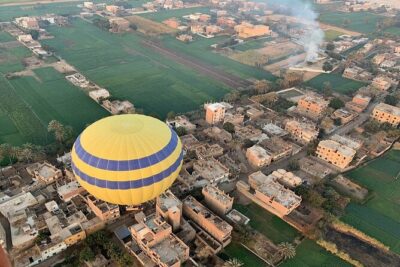
Day 2 kicks off with an early start. The meeting time is listed as 4:00 am, and the balloon option happens after pickup from your hotel. You’ll have a breakfast box for the morning, and then you’ll head out for the flight.
The balloon itself is optional and not included in the base price. The extra cost is listed as $100 to $150 per person. Because balloon rides depend on conditions, the experience requires good weather. If weather cancels it, you’ll be offered a different date or a full refund.
How to think about this: a balloon flight over Luxor is one of the rare chances to see the region with a sense of scale that ruins photos can’t match. But it’s also an expense. So decide based on your priorities: if you want the view at sunrise more than extra ticketed tomb time, go for it. If you’re budget-tight, you can still get a very strong West Bank day without the balloon.
Valley of the Kings: three tombs, and a clear choice about Tutankhamun
Next up is the West Bank with a visit to the Valley of the Kings. This is where Egypt’s rulers were buried, and it includes famous names such as Ramses II and Tutankhamun. In this tour format, you’ll visit 3 graves, and Tutankhamun is excluded unless you pay an extra ticket.
Plan on about 1 hour 30 minutes here. Entrance fees are not included in the base price, and Tutankhamun’s specific fee is listed as $25 per person.
This is an important value point. If you’re the type who really wants the most famous tomb (or you’re traveling with someone who does), pay the extra and make it part of your decision. If you’re more interested in how royal tombs were built and decorated across time, the standard 3-tomb approach can be plenty.
Practical tip: tombs are cooler than outdoors but still dark and tight. Wear comfortable shoes and pace yourself. You’ll enjoy the story more if you’re not rushing to beat fatigue.
Deir el Bahari and Hatshepsut’s temple: why it’s one of the best-preserved stops
After the Valley of the Kings, you’ll visit the Temple of Hatshepsut at Deir el Bahari. It takes about 40 minutes, and the focus is on Hatshepsut—queen who would-be king. The temple is described as one of the best-preserved of its kind, which is exactly why it gets included even on shorter Luxor days.
Tickets for this stop are not included in the base price. Still, it’s a key stop because it gives you a different kind of “wow” than the tomb valley. Instead of hidden chambers, you get a major temple complex with a strong design presence.
What I’d do on this stop: ask your guide what to look for first. When the story is explained clearly—especially around Hatshepsut’s role—you’ll see more than carvings. You’ll see intention.
Colossi of Memnon: a short stop that still lands
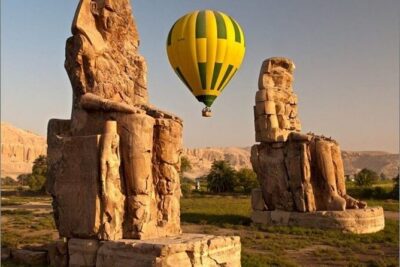
Then you’ll end with the Colossi of Memnon. The time here is brief—about 10 minutes—and the site consists of the remains of a complete mortuary temple, largely destroyed except for the two statues.
Even with the short time, it’s worth it because it’s a quick emotional hit. Standing in front of massive remnants gives you that “this was once enormous” feeling, without requiring a long hike or ticket-heavy commitment.
If you’re tight on energy, this stop is a good one to keep short. It’s not the place you need to overstay.
Lunch with Nile-view vibes and a short boat trip
Back in Luxor, you’ll have an Egyptian lunch at a Nile-view restaurant. Lunch is included, and about 30 minutes are allotted.
Then there’s a short boat trip (about 20 minutes). This is a smart add-on on a two-day schedule. It gives you a break from stone and steps and gives your brain a moment to reset. Also, being on the water is a reminder that Luxor isn’t just temples—it’s a river town with a geography that shaped everything.
Even though it’s short, it’s the kind of included extra that feels like you paid attention to comfort, not just checklists.
Price and logistics: where the $200 per person number really stands
The tour is priced at $200 per person, and it includes a lot of the hard-to-organize parts: pickup from Safaga port, return transfer back to Safaga, 1 night accommodation in Luxor, breakfast, and lunches (2). The boat trip is also included.
But the costs that often surprise people are the extras:
- Entrance fees to sightseeing are listed as $120 per person (not included)
- A language guide is listed as $55 extra (optional)
- Tutankhamun’s tomb ticket is $25 extra if you want it
- Hot air balloon is listed as $100 to $150 per person (optional)
So the “real” total depends on what you choose. As a quick way to think about it:
- If you do balloon: you’ll add $100–$150 to the base, plus the $120 site entry budget (and potentially the $25 Tut add-on)
- If you skip balloon: you still pay the base plus site entries, and you control the Tut choice
Is it good value? In my opinion, it can be, especially if you’re coming from a cruise and want East and West Bank highlights with minimal fuss. What you’re paying for isn’t just the ruins. It’s the time-saving organization: a private guide, transfers, a hotel night, and included meals.
If you’re already planning to do everything independently with your own transport, it might not beat your cost. But most cruise arrivals do not have the time to set up logistics well. This tour helps you spend your hours on the sites, not on figuring out connections.
Guide quality: clear English and Egyptology-level storytelling
This is one of the strongest parts of the experience. In past assignments connected to this tour style, guides have included certified Egyptologists like Mahmoud, and other named guides such as Abdul have been praised for being attentive and for guiding at a level where you can actually understand what you’re looking at.
The practical takeaway for you: when someone can explain the meaning of scenes, festivals like Opet, and the roles behind major monuments, it turns your photos into learning. You also get a guide who can adjust to what your group wants and needs instead of running a script.
If you’re traveling with kids, elders, or anyone who gets tired easily, a good guide also helps with pacing. That’s especially valuable on a day that starts at 4:00 am for the balloon option.
Who should book this Luxor-from-Safaga plan
This fits best if you:
- Arrive by cruise and want Luxor immediately after docking
- Want a private guide and less stress than self-planning
- Like seeing both East Bank and West Bank highlights in one short window
- Enjoy early-morning “one-time” experiences like a balloon ride (if the weather cooperates)
I’d consider a different option if you:
- Want a slower, museum-heavy vacation in Luxor (this tour is designed to cover major sites efficiently)
- Are extremely price-sensitive and don’t want to budget for balloon and site entry fees
Tips to get the most out of the early start and tomb time
- Wear comfortable walking shoes. Tomb floors can be uneven, and you’ll want stability.
- Bring sun protection for daytime temple visits, but also expect cooler air inside tombs.
- Decide on Tutankhamun before you arrive. Knowing whether you’ll pay the $25 extra can prevent last-minute pressure.
- If you’re doing the balloon, keep expectations flexible due to weather. If it’s canceled, you’ll still get a solution in the process.
Should you book this tour?
I think you should book it if you want a high-quality Luxor overview with strong organization and you’re okay with the extras. The $200 base price covers the heavy logistics—pickup, a night in Luxor, meals, and return—so your money goes toward convenience and time.
If your budget allows for balloon and entrance fees, you’ll get a full two-day story: Karnak and Luxor Temple on the East Bank, then sunrise balloon (optional), royal tombs, Hatshepsut’s temple, and a calmer lunch and boat break on the way back.
If you want a strict, low-cost plan, do the math first and decide which add-ons you truly care about—balloon and Tutankhamun are the two big “choice points.”
FAQ
How long is the Safaga to Luxor tour?
The tour is listed as 2 days (approx.), covering both an East Bank day and a West Bank morning and afternoon.
What’s included in the tour price?
Included items are pickup from Safaga port and return, breakfast, 1 night accommodation in a Luxor hotel, lunch (2), and a boat trip.
What is not included?
Entrance fees for sightseeing are not included (listed as $120 per person). Also not included are a language guide ($55 extra), Tutankhamun’s tomb fee ($25 per person), and the hot air balloon ($100 to $150 per person).
What time does the tour start?
The start time is listed as 4:00 am, with the balloon option happening early on Day 2.
Do I need to buy tickets for Karnak and Luxor Temple?
Yes. Karnak and Luxor Temple have admission tickets listed as not included in the tour price.
Will I see Tutankhamun’s tomb?
You will visit 3 graves excluding Tutankhamun. The Tutankhamun fee is listed as $25 per person if you want to include it.
Is the hot air balloon ride included?
No, the balloon is optional and costs an additional $100 to $150 per person.
Is this a private tour?
Yes. It’s described as private, with only your group participating.
What happens if weather is bad for the balloon?
The experience requires good weather. If it’s canceled due to poor weather, you’ll be offered a different date or a full refund.
Is the tour refundable if plans change?
Free cancellation is offered up to 24 hours in advance of the experience’s start time for a full refund.