Sleep on the Nile, then watch it sparkle.
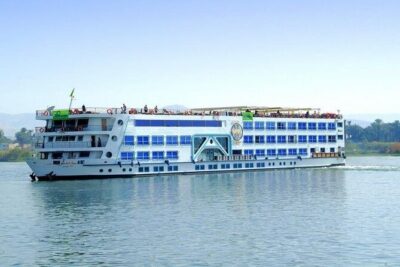
This 5-day Dahabiya cruise gives you a rare mix: big-name ancient sites on land, plus slow sailing and real downtime on the boat. I really like how the top deck turns into your nighttime stargazing spot, while the days stay organized with an Egyptology expert guiding you through each stop.
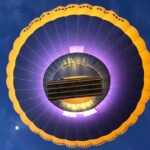
One thing to double-check before you go: the tour name includes a hot air balloon, but the day-by-day stop list here doesn’t spell out when that flight happens. Ask Omar Nile Cruise for the exact timing and pickup routine so you don’t get surprised by an early morning.
You’ll also get a smooth rhythm with meet-and-assist service, an air-conditioned car for transfers, and daily meals onboard (breakfast, lunch, and dinner). That means less time figuring things out and more time enjoying Luxor’s Theban monuments, Edfu’s Horus Temple, Kom Ombo’s double temple, and the modern landmark at Aswan.
In This Review
- Key highlights at a glance
- Why a Luxor-to-Aswan Dahabiya feels different than a big-ship cruise
- Day 1 in Luxor: Valley of the Kings, Hatshepsut, Karnak
- Day 2: Edfu’s Horus Temple and the stone-quarry world of Gebel el Silsila
- Day 3 in the Kom Ombo area: the double temple that changes the pace
- Day 4: Aswan High Dam and the modern Egypt next door
- Day 5: disembark after breakfast and transfer onward
- Food onboard the Kemet: more than fuel, actually a highlight
- The calm parts: top-deck nights, lounge time, and that slow Nile feeling
- What you’ll actually be paying for (and why it can feel worth it)
- Hot air balloon: what to confirm before you rely on the name
- Who this Nile cruise suits best
- Should you book 5 Days Dahabiya Nile Cruise (Luxor to Aswan)?
- FAQ
- How long is the Dahabiya Nile cruise from Luxor to Aswan?
- Where does the tour start and where does it end?
- What sites are included during the 5 days?
- Is hot air balloon included?
- Are meals included onboard?
- Are entrance tickets included?
- Is pickup and drop-off included?
- What about tipping and cancellation?
Key highlights at a glance
- A five-star Dahabiya stay (4 nights) on the Kemet with a calm, comfortable onboard setup
- Egyptology expert guidance on every major site, so you’re not just looking at stones
- Major temples across Upper Egypt: Karnak, Edfu, Kom Ombo, plus Deir el Bahari and the Valley of the Kings
- Included entry tickets on most stops, with easy exceptions like the Colossi of Memnon
- Dining onboard is a major focus, with frequent meals and consistently attentive service
- Optional cruise extras are often part of the onboard style (local music, island time, donkey rides in sugarcane fields) if scheduled for your dates
Why a Luxor-to-Aswan Dahabiya feels different than a big-ship cruise
Most Nile cruises split the experience into two extremes: either you’re on a tour bus all day, or you’re floating with no real structure. This style of trip does the opposite. You get guided temple time on land, then you return to the boat for a quieter, slower pace.
The ship in this program is the Kemet, a five-star Dahabiya setup with thoughtful public spaces and comfortable private rooms. From the way the onboard experience is described, the layout matters: it’s the kind of place where you can actually relax after a long day of walking in the heat.
And at night, the Nile changes mood fast. When you can step up to the top deck and look at the sky without rushing anywhere, it makes the whole itinerary feel more human and less like a checklist.
You can also read our reviews of more tours and experiences in Luxor.


Day 1 in Luxor: Valley of the Kings, Hatshepsut, Karnak
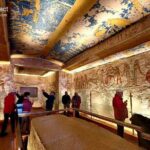
Day 1 is pure “Thebes power,” packed but not random. You start at the Valley of the Kings, the famous New Kingdom burial ground where tombs were carved into rock over centuries (from the 16th to the 11th century BC). You’ll have about 2 hours there, with admission included.
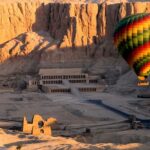
Next comes the Temple of Hatshepsut at Deir el Bahari. This is her memorial sanctuary, built during her reign in the 18th Dynasty. You get around 2 hours on site, again with admission included. If you like architecture that feels both dramatic and precise, this stop usually lands well.
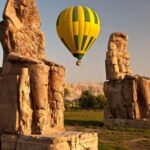
Then you’ll pass the Colossi of Memnon—two enormous statues of Pharaoh Amenhotep III. The time block is short (about 30 minutes), but the statues are free to visit, and they’re a perfect breather between longer temple stops.
You end the day at Karnak Temple Complex. It’s a large temple system near Luxor with pylons, chapels, and temple structures that can feel like an entire city of stone. You’ll have about 2 hours there with admission included.
Practical note: Day 1 is sunshine-heavy. Even with a guide, you’ll be moving between stops, so bring a hat and expect warm-to-hot conditions depending on the season.
Day 2: Edfu’s Horus Temple and the stone-quarry world of Gebel el Silsila
Day 2 shifts you north along the Nile, from Luxor’s Theban monuments toward Edfu and the Aswan region. First up is the Temple of Horus at Edfu. You’ll spend about 3 hours here, with admission included.
The temple is tied to Horus, and the ancient city around it had Greek and Roman names connected to that association. Even without obsessing over names, the payoff is that you’re inside a major, well-known sacred site that feels built for storytelling—columns, carvings, and religious design working together.
After Edfu, you head to Gebel el Silsila (the “Golden Chain of Mountains”). This area matters because it functioned as a major quarry since the 18th Dynasty. Stone here fed into some of Egypt’s best-known monuments—places like Karnak, Luxor Temple, Medinet Habu, and Kom Ombo.
You’ll have about 3 hours for this stop, with admission included. This is one of those days where you start connecting dots: not only what was built, but where the building material came from and why this stretch of the Nile was so important.
What to expect: Silsila feels less like a single monument and more like a historical working area. If you enjoy “how things were made,” you’ll probably enjoy it more than people who only want postcard temples.
Day 3 in the Kom Ombo area: the double temple that changes the pace
Day 3 centers on Kom Ombo’s Temple, a distinctive double temple built during the Ptolemaic dynasty (around 180 to 47 BC), with additional expansions during the Roman period. You’ll spend about 5 hours here, and admission is included.
That long time block is key. With double temples, there’s more to read and more to compare. You’ll want the guided interpretation, because the value is in understanding the different halves and what each part was meant to honor. The result is that you’re not rushing through a site; you’re learning how the temple is structured.
After Kom Ombo, the cruise pacing becomes part of the experience. Dahabiya sailing tends to feel calmer than larger vessels, and the program leans into that—more “Nile rhythm” and less constant activity.
If you’re the type who likes one solid, anchor stop per day (instead of five mini-stops), Day 3 is a good match.
Day 4: Aswan High Dam and the modern Egypt next door
Day 4 is where the trip intentionally adds contrast. Instead of only ancient sites, you visit the Aswan High Dam, completed between 1960 and 1970. You’ll have about 2 hours, with admission included.
This isn’t a temple, and it won’t be ancient Egypt carved into stone. But it’s still an Egypt story—how modern infrastructure shaped river life, agriculture, and the whole downstream system.
It also helps you reset mentally after three heavy temple days. You get a different kind of landmark: broad, structural, and linked to the Nile’s ongoing influence on Egyptian life.
Then you’re back to the boat’s slower tempo, with meals and onboard comfort carrying you toward the final morning.



Day 5: disembark after breakfast and transfer onward
After breakfast on the last day, you’ll disembark from the Dahabiya and transfer to your chosen destination in Aswan. The time block shown is about 4 hours total, with the transfer itself being included.
This matters because it keeps you from scrambling for the end of your journey. If you’re planning a post-cruise hotel, airport timing, or a separate day trip, having a built-in transfer window makes your planning cleaner.
The emotional payoff is simple: you’ve seen Luxor’s biggest sites, spent time with Edfu and Kom Ombo, and then tied it together with Aswan—so you’re not just collecting monuments. You’re finishing with a sense of flow.
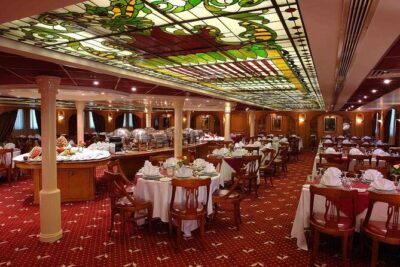
Food onboard the Kemet: more than fuel, actually a highlight
Meals are part of the value here, and not in a forgettable way. The cruise includes breakfast (4), lunch (4), and dinner (4), with dining happening onboard as you sail and tour.
From the way the onboard dining experience is described, the kitchen team aims for variety and freshness, with service that’s friendly and attentive. You can expect a mix of flavors that includes Egyptian-style dishes as well as international touches, plus the routine competence you want after a long day of standing in the sun.
One practical advantage: when meals are handled, you stop losing time. You’re not trying to find the next restaurant, translate menus, or guess what’s open. On a trip like this—where days are packed with major sites—that time savings is real.
If you have dietary needs, the data here doesn’t list specifics. Still, I’d plan to tell the operator early so they can do their best with your preferences.
The calm parts: top-deck nights, lounge time, and that slow Nile feeling
This program leans hard into relaxation, even while keeping the sightseeing structured. The ship experience is described as elegant, tidy, and comfortable, with a cozy lounge and spacious rooms.
That makes a difference because you’ll be tired sometimes. After temple days (and in hot weather), you want a place to sit that doesn’t feel cramped or stressful. The onboard setup supports that: you can read, rest, or simply watch the Nile slide by.
Then comes the night part. Several descriptions emphasize stargazing from the top deck—exactly the kind of moment that makes a cruise feel like a memory instead of an itinerary.
What you’ll actually be paying for (and why it can feel worth it)
The price is $1,777.50 per person for the 5-day experience (approx.). That’s not a budget number, so the key question is whether you’re buying organization, comfort, and built-in value—or just paying for the boat.
Here’s what you’re getting based on the included details:
- 4 nights on a five-star Dahabiya cruise from Luxor to Aswan
- Meet and assist service and air-conditioned car for pickup and drop-off
- An Egyptology expert tour guide
- Tours aligned with the itinerary stops
- Meals: breakfast, lunch, and dinner for four days
- Entrance tickets included on most major stops
On a trip where you’re visiting several major sites over consecutive days, entrance fees, guide time, and daily meals add up quickly. You’re paying for fewer logistics headaches and more time with structured interpretation.
What’s not included is tipping, so budget a little extra for that at the end.
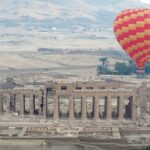
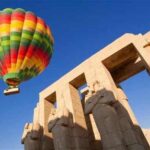
Hot air balloon: what to confirm before you rely on the name
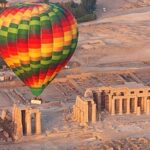
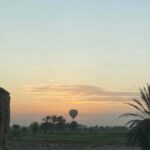
The tour title includes a hot air balloon, but the detailed stop list you’re shown here doesn’t specify which day it happens or how the timing works around sightseeing.
So do this: contact Omar Nile Cruise before you pay the day-of balance (or before you finalize your calendar) and ask:
- which day the balloon is scheduled
- pickup timing from the boat/hotel connection
- how it affects the temple schedule that day
That one check can save you from a scheduling headache, especially if you’re also planning other activities in Luxor or Aswan.
Who this Nile cruise suits best
This is a strong fit if you want:
- a private experience for your group (only your group participates)
- a mix of major ancient sites with onboard downtime
- guided tours so you get meaning, not just photos
- onboard comfort that helps you recharge between land visits
It may be less ideal if you hate structured days and prefer fully independent travel. Even though there’s relaxation onboard, the itinerary itself stays focused and time-efficient.
Should you book 5 Days Dahabiya Nile Cruise (Luxor to Aswan)?
I’d book it if your priority is a well-guided, comfortable Nile journey that strings together the big monuments of Upper Egypt with real meal-and-rest support. The combination of Egyptology guidance, included tickets on major stops, and a five-star Dahabiya setup makes it feel like a “guided luxury at a steady pace,” not a frantic tour.
I’d hesitate only if the balloon is your main reason for choosing this trip and you don’t yet know the exact flight timing relative to the sightseeing plan. Confirm that first, then you can commit with confidence.
FAQ
How long is the Dahabiya Nile cruise from Luxor to Aswan?
It’s listed as approximately 5 days. The itinerary includes a Day 1 in Luxor, a Day 2 and Day 3 between the key sites, a Day 4 in Aswan, and a Day 5 transfer after breakfast.
Where does the tour start and where does it end?
The experience starts in Luxor and ends with a transfer in Aswan, after you disembark from the Dahabiya on the final morning.
What sites are included during the 5 days?
The included stops list Valley of the Kings, Temple of Hatshepsut (Deir el Bahari), Colossi of Memnon, Karnak Temple, Temple of Horus (Edfu), Gebel el Silsila, Temple of Kom Ombo, and Aswan High Dam.
Is hot air balloon included?
The tour title mentions a hot air balloon, but the provided day-by-day stop list does not specify the balloon timing. You should confirm the flight schedule with the provider when booking.
Are meals included onboard?
Yes. Meals are included for four days: breakfast (4), lunch (4), and dinner (4).
Are entrance tickets included?
Entrance tickets are included for several major stops, including Valley of the Kings, Temple of Hatshepsut, Karnak, Temple of Horus, Gebel el Silsila, Temple of Kom Ombo, and Aswan High Dam. Colossi of Memnon is listed as free.
Is pickup and drop-off included?
Yes. The tour includes a meet and assist service plus an air-conditioned car for pickup and drop-off.
What about tipping and cancellation?
Tipping is listed as not included. For cancellations, you can cancel up to 24 hours in advance for a full refund. If you cancel within 24 hours of the start time, the amount isn’t refunded.