REVIEW · LUXOR
From Luxor:8-Night Luxury Nile River Cruise & Hot Air Balloon
Book on Viator →Operated by Nice tours · Bookable on Viator
Hot air over Luxor is pure magic. This 8-night luxury Nile cruise pairs classic ancient sites with a sunrise hot air balloon and the kind of Egyptologist explanations that make tombs and temples feel less like random stone. One thing to plan for: Abu Simbel is an all-day push, so you’ll want comfortable shoes and a little patience.
I like how the whole trip runs on rails. Pickup and drop-off are built in, transport is handled for you, and entrance fees are included—so you spend less time sorting tickets and more time looking up. Included meals also help you keep your budget under control and stay fueled for long temple mornings.
It’s set up for your group only (private activity), which usually feels calmer than a free-for-all. Still, some of the biggest sites can get busy, especially during peak hours, and the heat can press in. If you’re sensitive to crowds or sun, I’d plan your slow breaks and water stops like a pro.
In This Review
- Key highlights you’ll actually feel
- The big picture: a luxury cruise with temple days that make sense
- Price and what you’re paying for (not just the number)
- Luxor West Bank: Valley of the Kings, Hatshepsut, and Colossi of Memnon
- Valley of the Kings: tombs with names you’ll recognize
- Temple of Hatshepsut at Deir el Bahari: a female ruler’s big statement
- Colossi of Memnon: two giants that still do the job
- Back into Luxor city for the market
- Sunrise hot air balloon over Luxor: why this day feels different
- Edfu and Kom Ombo: from carriage ride tradition to dual-temple architecture
- Temple of Horus in Edfu: carriage ride first, temple second
- Temple of Kom Ombo: two gods, two sides
- Aswan: Philae Island and the High Dam in one organized block
- Temple of Isis on Philae Island
- Aswan High Dam: the modern Nile story
- Abu Simbel: the long day you’ll remember
- A free day on board: where you actually recover
- North of Luxor: Abydos and Dendera’s temple contrasts
- Abydos Temple: limestone stages and a one-of-a-kind layout
- Dendera Temple Complex: Hathor and Old Kingdom echoes
- East Bank Luxor: Karnak scale, Luxor Temple, and a sunset felucca ride
- Karnak: the biggest temple complex in the world
- Luxor Temple: built by Amenhotep III, finished by Ramses
- Felucca at sunset + traditional tea
- Getting off the ship in Luxor: simple closure
- Who this Nile cruise fits best
- Small “heads up” from the real-world feel
- Should you book this Luxor to Abu Simbel cruise?
- FAQ
- How long is the Luxor to Abu Simbel Nile cruise experience?
- Where does the experience start?
- Is pickup and drop-off included?
- Does the tour include a hot air balloon ride?
- Which major sites are included?
- Is horse and carriage transportation included?
- What meals are included during the cruise?
- Are entrance fees and a guide included?
- Can I cancel for a full refund?
- Is it a private tour?
Key highlights you’ll actually feel
- Sunrise hot air balloon over Luxor: early, scenic, and a great way to start before the day gets hot.
- West Bank temple days with strong guidance: in past departures, Egyptologists like Asma Saber, George, and Gabriel have led these major stops with clear explanations.
- Edfu Temple reached the traditional way: a horse and carriage ride adds atmosphere before you hit the big carvings.
- Abu Simbel + Nubian Village in one big block: you get the headline wonder and then a cultural add-on back on your schedule.
- Karnak and Luxor Temple on the East Bank: paired with a relaxing felucca sunset ride and complimentary tea.
- A true rest day on board: one day is left open for you to slow down between major site days.
The big picture: a luxury cruise with temple days that make sense
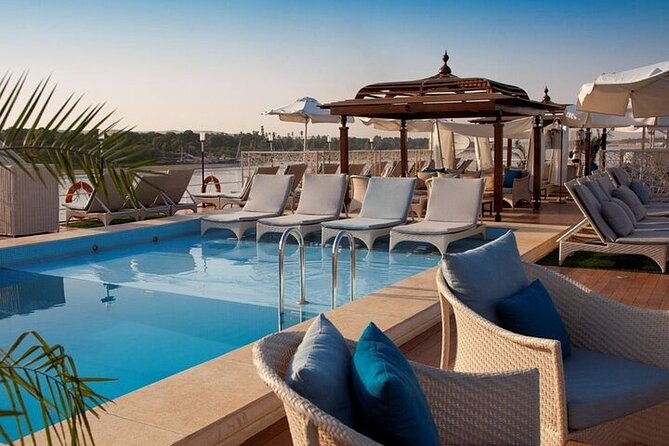
This is one of those “Egypt, but organized” trips. You’re not just floating past landmarks—you’re getting guided time at major sites along the Nile route from Luxor toward Edfu, Kom Ombo, Aswan, and Abu Simbel. The cruise ship anchors the experience so you don’t burn your day hopping hotels. Instead, you sleep on the river, eat on the river, and then head out with a guide for concentrated sightseeing.
At a price of $1,357 per person, the value really depends on two things: (1) how much you’d otherwise pay for guided private transport and entrance fees, and (2) whether you’ll use the included “once-in-a-lifetime” elements. This trip covers a lot of the expensive bits for you: professional Egyptologist guidance, entrance fees, most meals, plus the hot air balloon ride.
You can also read our reviews of more tours and experiences in Luxor.


Price and what you’re paying for (not just the number)
It’s tempting to compare the headline price to other cruises and call it done. I think a better question is: what’s included that you’d likely pay for separately?
Here’s what the package already covers:
- A 5-star standard Nile cruise for 8 nights
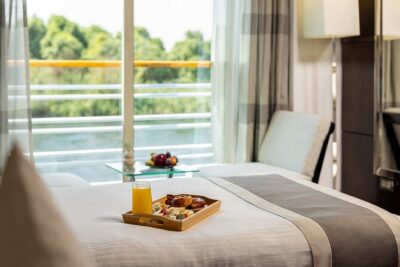
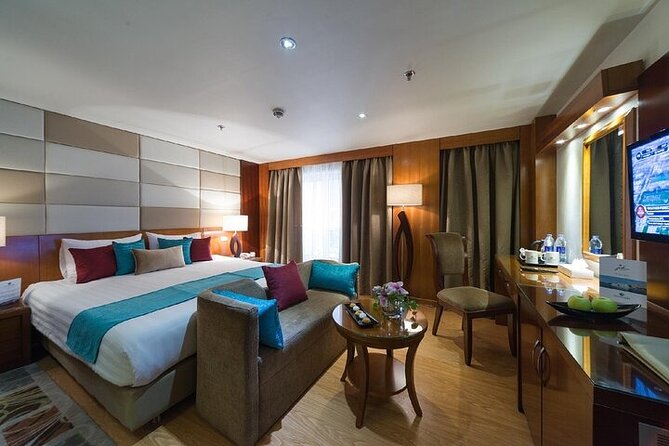
- Your cabin with facilities
- Meals during the cruise days (breakfast 8 times, lunch 8 times, dinner 8 times)
- Airport/hotel pickup and drop-off
- Egyptologist guide
- Major entrances and the sites listed in the program
- Key included extras: horse and carriage, motor boat, and the hot air balloon ride
- Private transportation for the shore days
So you’re not just buying boat nights. You’re buying time-saving logistics and guided context—especially important in Egypt, where the difference between a quick look and a meaningful visit is often the guide in your ear.
Luxor West Bank: Valley of the Kings, Hatshepsut, and Colossi of Memnon
Your sightseeing kicks off on the West Bank with a classic trio: the tombs, the memorial temple, and the giant statues at the edge of the desert.
Valley of the Kings: tombs with names you’ll recognize
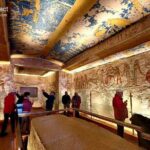
You’ll visit major royal resting places, including tombs tied to Ramesses III, Ramesses VI, and Mrenptah. You’ll also get admission to the tomb of Tut-Ankh-Amon. Even if you’ve read about these kings before, standing in the tomb spaces changes the scale. It’s not just “ancient.” It’s intensely specific.
Practical tip: these tombs often mean low light and uneven footing. Wear shoes you trust.
Temple of Hatshepsut at Deir el Bahari: a female ruler’s big statement
Then you move to Temple of Hatshepsut, dedicated to Egypt’s rare female pharaoh who ruled for about 20 years with wealth and relative stability. The temple’s layout and strong lines make it feel like a ruler who wanted her legacy to last. This is one of those stops where a good guide makes the symbolism land fast.


Colossi of Memnon: two giants that still do the job
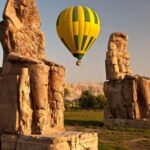
You’ll also see the Colossi of Memnon, connected to the mortuary temple of Amenhotep III. It’s short, but it sets the tone: huge monuments designed to overpower time.
Back into Luxor city for the market
Finally, you return to Luxor city for a look at the old market. It’s not a museum-style experience. It’s the living side of the city—use it for a quick orientation and maybe a small snack or purchase before the next big day.
Sunrise hot air balloon over Luxor: why this day feels different
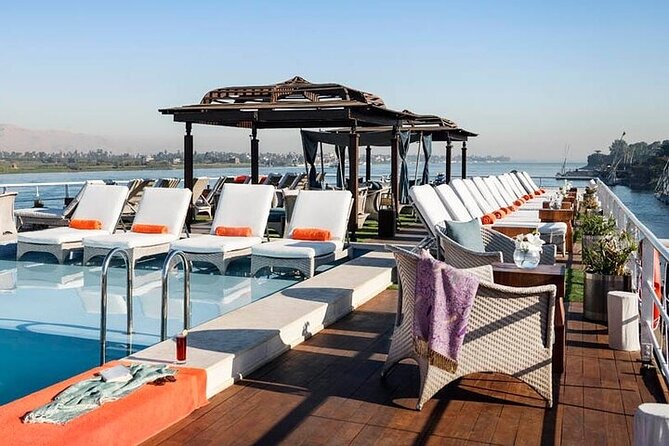
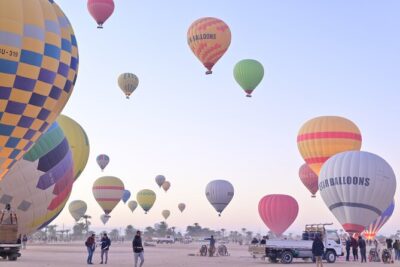
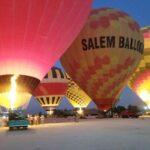
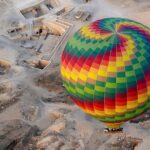
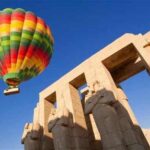
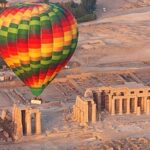
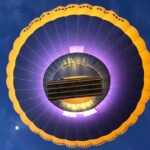
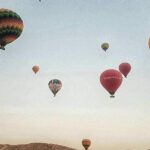
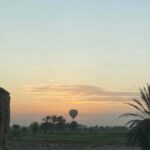
The most memorable “wow” moment is built in early. You rise before sunrise for a hot air balloon ride over Luxor, watching the city and surrounding area brighten as daylight rolls in.
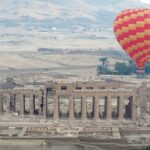
This is a smart pairing with the rest of the trip. When you’re about to spend days among temples and tombs, seeing the Nile valley from the sky gives you instant geography. You start to connect where everything sits—and why these ancient monuments look the way they do.
Practical note: balloon mornings can be chilly before sunrise. Bring layers you can stash easily.
After the balloon, you return to the boat and cruise toward Esna in the evening. That means the day transitions smoothly: big adrenaline moment first, then a calmer river rhythm.
Edfu and Kom Ombo: from carriage ride tradition to dual-temple architecture
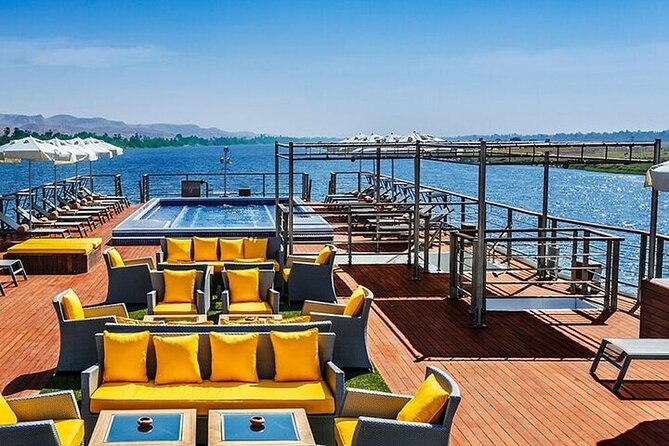
Two stops here feel very different in mood, and that variety is a real plus.
Temple of Horus in Edfu: carriage ride first, temple second
You arrive in Edfu and take a horse and carriage ride to Edfu Temple, the largest Ptolemaic temple in Egypt. That short ride adds a bit of pageantry and helps you feel like you’re part of the town’s daily flow rather than a sealed bubble of tourism.
Inside the temple, you get a strong sense of the carved storytelling Ptolemaic Egypt was known for. A guide really matters here—otherwise it can feel like you’re reading wall art without the key.
Temple of Kom Ombo: two gods, two sides
Then you cruise to Kom Ombo and visit the unique temple dedicated to two gods. The temple’s layout has contrasting architecture on both sides, which makes it easier to grasp what you’re seeing.
This is also a nice moment for a break on your motor boat deck. You get sun, movement, and a change of scene without losing momentum.
Aswan: Philae Island and the High Dam in one organized block
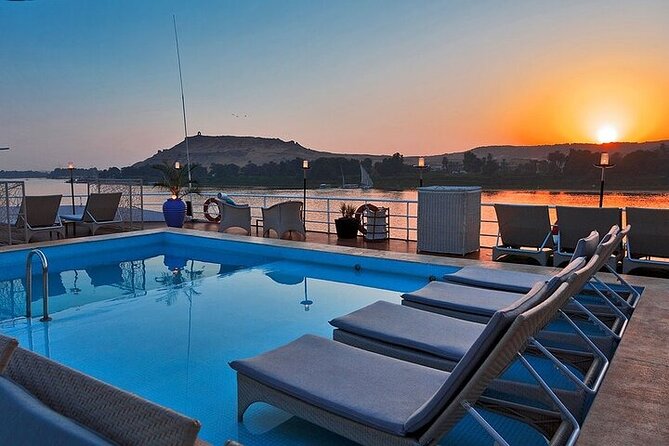
Aswan is where the Nile starts to feel wider, slower, and more cultural. Your day includes both a sacred stop and a modern one, which helps you understand the whole picture of Egypt’s relationship with water.
Temple of Isis on Philae Island
You visit Temple of Isis at Philae Island. It’s a long-famous religious site, and the setting on the island makes it feel distinct from the temple runs you do earlier along the river.
Expect a guided experience that focuses on how these sacred spaces worked and what the iconography was trying to communicate.
Aswan High Dam: the modern Nile story
Next comes the Aswan High Dam, presented as providing electricity to residents of the Nile. It’s not a “stand there and take a photo” kind of stop. It gives you context for why the Nile’s behavior in modern life is tied to engineering decisions.
Afterward, you get some free time to explore Aswan’s city area and its ancient market. This free time matters. It lets you reset your brain between big temple days.
Abu Simbel: the long day you’ll remember
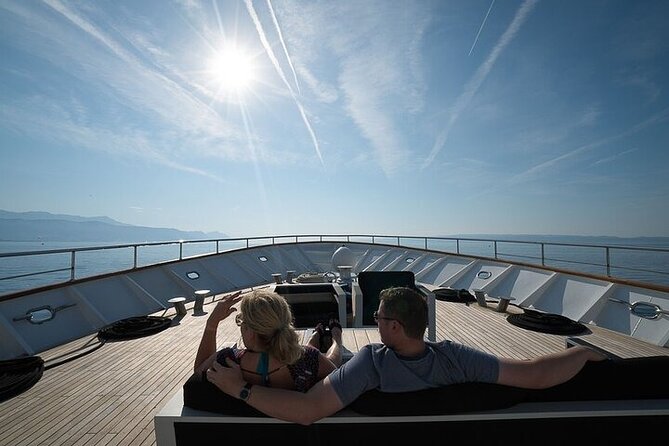
This is the headline day on the trip. You arrive at Abu Simbel and spend about 8 hours exploring the temple complex, which is described as one of the most important wonders in the world.
That time block is a big deal: Abu Simbel isn’t “quick stop and photo.” It’s built for slow attention. The scale can hit you like a truck if you’re tired, so plan for that. I’d bring water, wear sunscreen, and take a moment to sit when you can. A good guide helps you spot the meaningful details you’d otherwise miss.
Then you head back to your Nile cruise ship for lunch and visit the Nubian Village. That combination works well: you get a famous monument first, then you switch gears to something more human and immediate.
A free day on board: where you actually recover
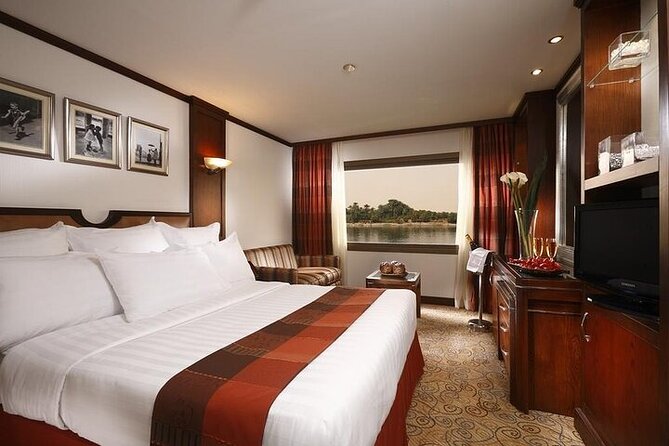
One day is left for leisure on the boat. This isn’t just wasted time—it’s strategic.
Between early mornings (Valley of the Kings starts early-ish, and the balloon is before sunrise) and long driving days (Abu Simbel in particular), having a real rest day helps you enjoy the rest of Luxor and the East Bank without feeling like you’re sprinting all week.
Use this day for:
- A slow meal without rushing
- Watching the river pass from the deck
- Taking breaks from the heat before the next temple-heavy day
North of Luxor: Abydos and Dendera’s temple contrasts
After breakfast, you’re picked up from your Luxor hotel and driven north of Luxor past everyday life. This is one of those parts of the trip that adds texture. You’re not only seeing monuments—you’re seeing how people live around them.
Abydos Temple: limestone stages and a one-of-a-kind layout
You visit Abydos Temple, known for its three-stage limestone architecture. The guide explains why it’s special and what you should be looking for as you walk through.
This is a good stop for anyone who likes temples that feel different from the more famous clusters. It also helps you understand that Egyptology isn’t only about the big-name kings—it’s also about how religious spaces were designed.
Dendera Temple Complex: Hathor and Old Kingdom echoes
Then you head to Dendera Temple Complex, dedicated to Hathor. It’s from the late Ptolemaic Period and sits on holy Egyptian ground, with relics of religious structures linked to much older reigns.
You’ll have time to take photos, and you’ll likely come away with a sense that Egypt kept reusing sacred space across eras rather than treating history like a one-time story.
East Bank Luxor: Karnak scale, Luxor Temple, and a sunset felucca ride
Karnak and Luxor Temple are the perfect closing act because they balance huge spectacle with intimate focus.
Karnak: the biggest temple complex in the world
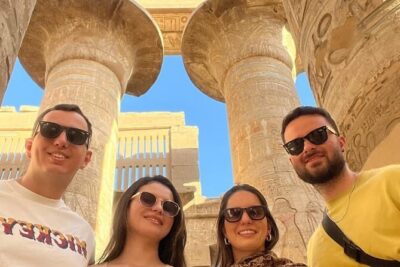
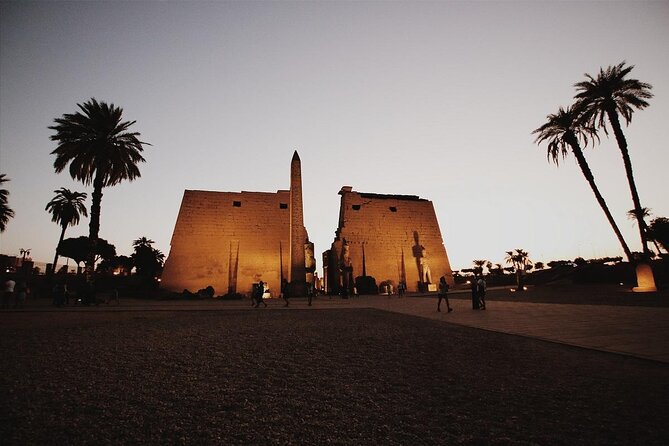
You tour Karnak, described as the biggest temple complex in the world. Yes, it can feel crowded. That’s normal for places of this scale. Still, going with a guide keeps you from wandering aimlessly. Karnak rewards people who know what to look for.
Practical tip: bring a hat and plan for strong sun. Karnak can exhaust you if you’re not pacing.
Luxor Temple: built by Amenhotep III, finished by Ramses
Next is Luxor Temple, built by Amenhotep III in the 18th Dynasty and completed by Ramses (as your program frames it). This pairing helps you see two different “moods” of ancient sacred space.
Felucca at sunset + traditional tea
To wrap, you take a felucca ride at sunset and watch the light shift over the West Bank. You also get traditional Egyptian tea (free). This is the most relaxing payoff on a trip full of hard-travel days.
If you’ve got jet lag or heat fatigue, this moment is how you fix it without even trying.
Getting off the ship in Luxor: simple closure
On the final morning you check out from the ship and get dropped off back at your accommodation or at the Luxor airport. It’s a clean end to a trip that otherwise moves fast. If you have a late flight, you might want to ask what time you’ll realistically be moved back to town so you can plan meals and last-minute shopping.
Who this Nile cruise fits best
This experience is best for you if:
- You want a luxury cruise base with guided site time built in
- You like seeing the major Egypt highlights without assembling every detail yourself
- You’re excited by the hot air balloon over Luxor and don’t want to hunt for it separately
- You prefer private group attention over chaotic large-group bus tours
It may not be ideal if:
- You get wiped out by long driving days (Abu Simbel is a serious commitment)
- You dislike big, famous sites that can feel crowded
Small “heads up” from the real-world feel
A few practical notes that came through in past experiences:
- Some people found onboard connectivity spotty, so I wouldn’t plan on heavy work or constant uploads.
- Service is described as efficient and well organized, but Egypt-based trips can still run into the day-to-day reality of heat, crowds, and pacing.
- One trip report noted no alcohol in certain hotels, so if that matters to you, it’s smart to ask ahead about what’s available during meals and on board.
Should you book this Luxor to Abu Simbel cruise?
If you’re targeting the classic route—Luxor, Edfu, Kom Ombo, Aswan, Abu Simbel—while also locking in the sunrise balloon and expert guidance, I think this is a strong value. The price starts to feel fair once you price out the balloon, entrances, guided transport, and the fact you’re on a 5-star style ship for 8 nights.
Before you click buy, do two quick checks:
- Are you okay with a long day at Abu Simbel and early starts?
- Do you want your Egypt explained by an Egyptologist rather than reading walls on your own?
If yes, book it with confidence—and when you’re there, take the time to ask your guide the “why does it matter” questions. That’s where this kind of trip turns from seeing Egypt to understanding it.
FAQ
How long is the Luxor to Abu Simbel Nile cruise experience?
The trip runs for about 9 days, including an 8-night Nile cruise.
Where does the experience start?
It starts in Luxor, with a listed start time of 11:00 am.
Is pickup and drop-off included?
Yes. The experience includes airport/hotel pickup and drop-off.
Does the tour include a hot air balloon ride?
Yes. A hot air balloon ride is included as part of the experience.
Which major sites are included?
The program includes the Valley of the Kings, Temple of Hatshepsut (Deir el Bahari), Colossi of Memnon, Edfu Temple, Kom Ombo Temple, Temple of Isis at Philae, Aswan High Dam, Abu Simbel, Nubian Village, Abydos Temple, Dendera Temple, Karnak, and Luxor Temple.
Is horse and carriage transportation included?
Yes. The program includes a horse and carriage ride to Edfu Temple.
What meals are included during the cruise?
Meals are included, with breakfast 8 times, lunch 8 times, and dinner 8 times.
Are entrance fees and a guide included?
Yes. Entrance fees and a professional Egyptologist guide are included.
Can I cancel for a full refund?
Yes, free cancellation is offered if you cancel at least 24 hours before the experience’s start time.
Is it a private tour?
The experience is described as private, meaning only your group will participate.