REVIEW · LUXOR
5 Days Nile Cruise Luxor Aswan Hot Air Balloon with Abu Simbel
Book on Viator →Operated by Fly in Minute · Bookable on Viator
A Nile cruise turns Egypt’s big sights into a calmer plan. This Luxor-to-Aswan trip pairs temple time with comfortable days on the water, plus a sunrise hot air balloon view over Luxor.
I like that you get a full run of major sites—Luxor Temple, Karnak, Valley of the Kings, Edfu, Kom Ombo, Philae, and Abu Simbel—without you having to stitch together logistics.
One thing to watch: the hot air balloon ticket and Abu Simbel admission aren’t included, and tips will add to the final cost.
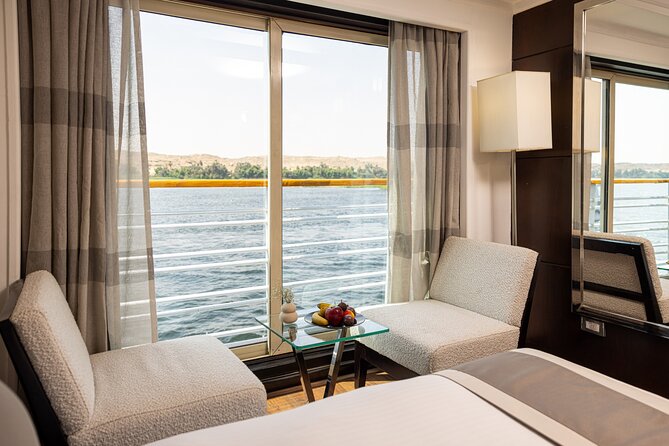
In exchange, the value feels practical. You’re on a 5-star style Nile cruise for 4 nights with meals included (breakfast, lunch, dinner), English-speaking guidance on the excursions, and door-to-door transfers by air-conditioned vehicle.
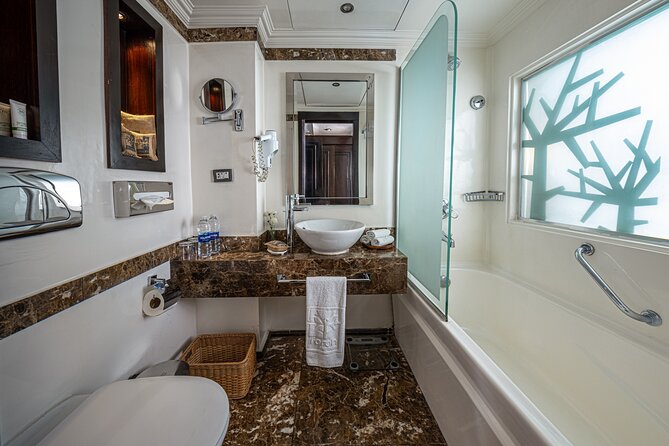
You also get the fun stuff: night entertainment like belly dancing, gallabiyah parties, Nubian shows, and discos, plus downtime with a pool and onboard spa.
The possible downside is that the day to Abu Simbel is a long one (about 7 hours), so if you hate early starts or long drives, plan for a slower pace afterward.
In This Review
- Key highlights you’ll actually care about
- Nile cruise basics: what makes the Luxor-to-Aswan plan work
- Luxor Temple and Karnak: where the scale hits you first
- Valley of the Kings, Hatshepsut at Deir el Bahari, and the Colossi of Memnon
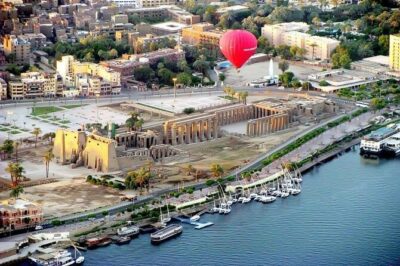
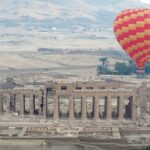
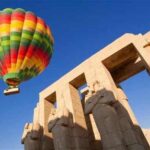
- Hot air balloon over Luxor: the 45-minute moment you’ll remember
- Edfu and Kom Ombo: Horus temple and the dual-sanctuary idea
- Aswan highlights: Philae, the High Dam, and the Unfinished Obelisk
- Abu Simbel: the long day (and why people say it’s worth the drive)
- Night entertainment plus spa and pool time on board
- Price and logistics: what $999.89 is really buying you
- Who should book this Nile cruise, balloon, and Abu Simbel combo
- Should you book this tour
- FAQ
- Is the hot air balloon ride included in the price?
- Are the temple entrance fees included?
- How long is the Abu Simbel visit?
- Are meals included during the cruise?
- Can you handle dietary restrictions?
- What’s the cancellation window?
Key highlights you’ll actually care about
- Sunrise balloon over Luxor for a high, quiet view of the Nile Valley (45 minutes, balloon ticket extra)
- Big-name temples with included entry from Luxor through Aswan (Abu Simbel entry extra)
- Real time on the Nile across 4 nights, not just day trips crammed into one itinerary
- Edfu and Kom Ombo: two different temple styles, including Kom Ombo’s dual sanctuary concept
- Aswan day variety: Philae, High Dam, and the Unfinished Obelisk quarry stops
- Evening programming: belly dancing, Nubian shows, discos, and galabiyah party energy
Nile cruise basics: what makes the Luxor-to-Aswan plan work
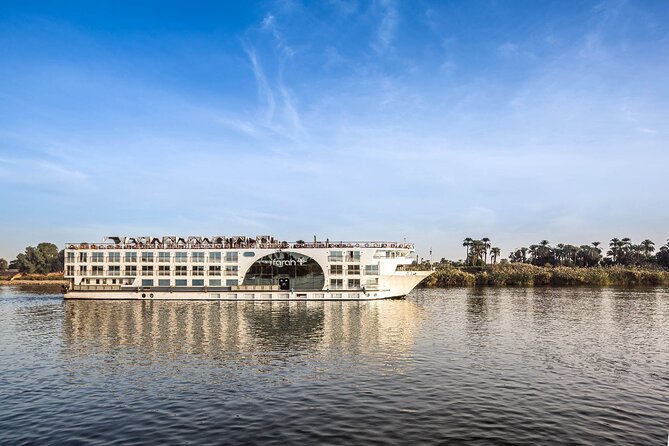
This 5-day trip is built around one smart idea: you move along the Nile with your “base” already set. Instead of constant hotel changes and station-hopping, you sail from Luxor toward Aswan while the busy temple days happen in organized chunks.
What matters most for you is the time trade. You’ll spend mornings and afternoons visiting major sites, then return to the ship for meals and evening entertainment. That rhythm helps when you’re doing heavy history in Egypt—your brain gets a break, your feet get a rest, and the night scenes on the river don’t feel like a bonus, they feel like part of the experience.
Transfers are handled by a private, modern air-conditioned vehicle for the excursions. You’re also met and assisted upon arrival and departure, so you’re not standing around trying to figure out who’s who. And because it’s described as private for your group only, you’re not stuck sharing the day with strangers from other parties.
You can also read our reviews of more tours and experiences in Luxor.


Luxor Temple and Karnak: where the scale hits you first
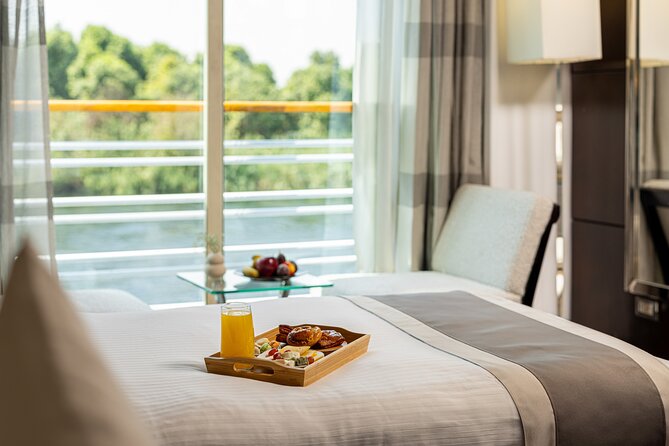
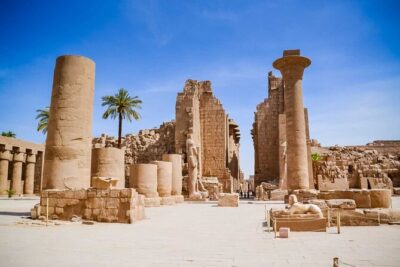
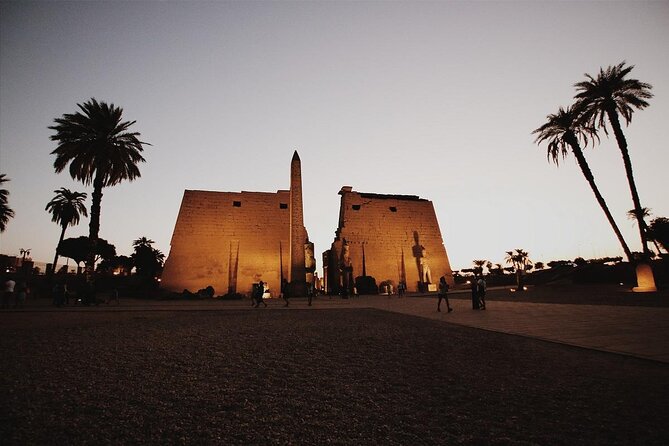
Day 1 starts with two classic pillars of Thebes: Luxor Temple and Karnak. If you’ve only seen photos, you’ll still be surprised once you’re there in person. These places are not about one single view; they’re about layering—gate after gate, hall after hall, and symbols everywhere you look.
Luxor Temple is a large temple complex on the east bank. It’s said to have been built around 1400 BCE, and that gives it that strong “ancient core” feeling. You’ll walk through areas designed for rituals and processions. The ticket is included, so you can focus on the experience rather than the admin.
Then comes Karnak Temple Complex, which is basically a whole sacred world. Construction started as far back as Senusret I in the Middle Kingdom, and the existing structures mainly reflect the New Kingdom era, with later work continuing into the Ptolemaic period. You’ll hear it described as Ipet-isut, The Most Selected of Places, and that name fits: this is where the architecture screams importance.
Practical tip: wear shoes that can handle uneven stone and long walking. Plan on taking breaks. Karnak can feel “endless” in the best way, but your legs will remind you to slow down.
Valley of the Kings, Hatshepsut at Deir el Bahari, and the Colossi of Memnon
On Day 2 you get a rare trio: royal tomb territory, a monumental female ruler’s temple, and a pair of giant statues that still hold their power.
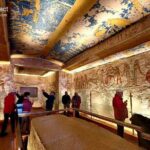
The Valley of the Kings (Valley of the Gates of the Kings) is tucked into a secluded rock valley. It’s famous because artisans carved tombs over about 500 years, roughly from the 16th to the 11th century BC. It’s not one tomb you see—it’s the sense of craft and planning that tells the story: these were designed to protect remains of pharaohs and high-ranking nobles of the New Kingdom.
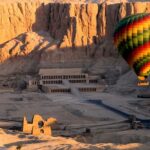
Next is Deir el Bahari and the Temple of Hatshepsut. Hatshepsut’s temple is known for its extraordinary design and engineering. You’ll see a temple complex famous worldwide for how it uses terraces and a hillside setting to create drama. It’s a different mood from the valley tombs—less hidden, more monumental.
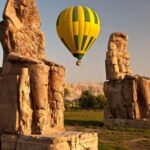
Then you finish with the Colossi of Memnon: two massive stone statues linked to Pharaoh Amenhotep III. They stand at the gate of the Mortuary Temple area. Even if you’re not a hardcore Egyptologist, you’ll feel how the scale changes your sense of history. A 30-minute stop is short, but those statues make fast impressions.
Consideration: all three stops are meaning-heavy, and it’s easy to feel “templed-out” if you try to absorb everything at full speed. I’d rather you take photos, ask a couple of good questions, and let the rest sink in later on the ship.
Hot air balloon over Luxor: the 45-minute moment you’ll remember
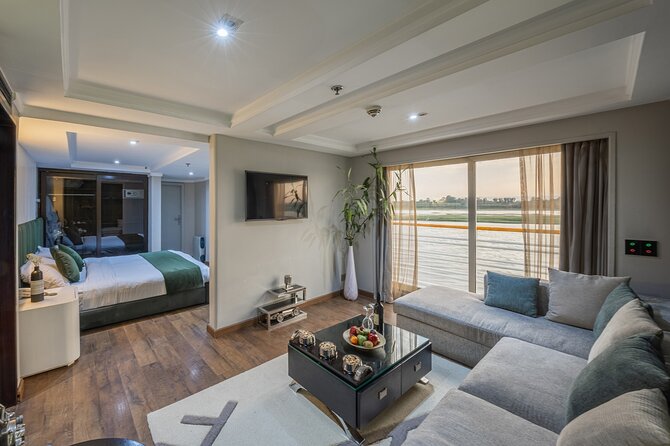
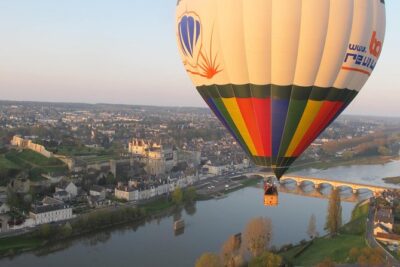
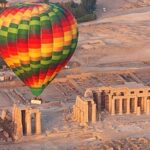
This is the signature extra built into the timing: a hot air balloon ride over Luxor in the morning. The ride is about 45 minutes, and the balloon ticket isn’t included in the main package price.
Why it’s worth singling out: you see Luxor’s geography from above. It’s one thing to read about ancient Egypt being tied to the Nile; it’s another thing to watch the river’s shape and the city’s outlines from the sky. You also get a front-row view of how the Statue of Thebes and other ancient wonders look as part of a whole region rather than separate sites.
Weather matters. The info here says that if the balloon ride is canceled due to bad weather, you get a refund of $50 per person. That’s an important detail because balloon operations aren’t just “wishful thinking.” Plan your mornings with flexibility.
What to bring: comfortable clothes you can layer for early morning. You’ll likely be out before the day warms up.
Edfu and Kom Ombo: Horus temple and the dual-sanctuary idea
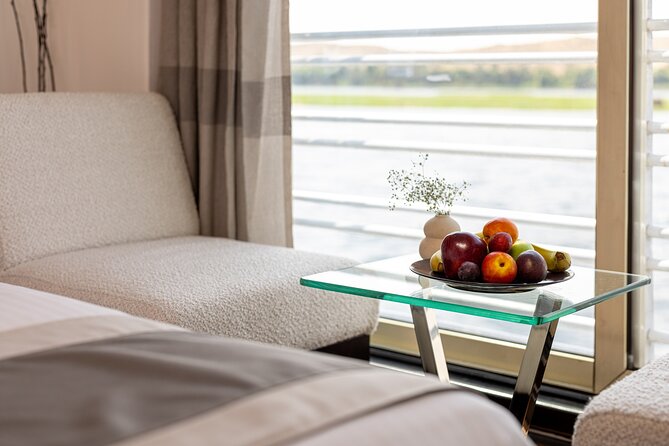
Day 3 is about two very different temple experiences on the way downriver, both included with admission.
First is the Temple of Horus at Edfu. Edfu’s main temple is tied to Horus, and in later periods it picked up names like Apollonos polis and Apollonopolis Magna as religious identity shifted across empires. What you’ll enjoy most is the way the temple layout keeps pulling you forward. There’s a strong sense of story in the carvings and in the way you move through halls and entrances.
Then you reach Kom Ombo and the Temple of Kom Ombo. This one is special because it’s described as a dual sanctuary—two sides, two sets of themes—traced back to the Ptolemaic era (180 to 47 BC) and enhanced in Roman times. That “two temples in one” concept is the big takeaway here. You’re not just touring ruins; you’re learning how ancient Egyptians organized sacred space.
Practical note: Kom Ombo can feel bright and exposed compared with some other sites. Bring sun protection and take water breaks when your guide signals it. It makes the day better without slowing your schedule too much.



Aswan highlights: Philae, the High Dam, and the Unfinished Obelisk
Day 4 blends ancient and modern in a way that helps your brain stop treating Egypt as only one era.
Philae Temple is tied to the reservoir created by the Aswan Low Dam and associated with the First Cataract area. That history of being moved and preserved is part of why people feel a strong connection here: you’re seeing a temple complex that survived big changes in the modern Nile system. The admission ticket is included.
Next is the Aswan High Dam, described as the world’s largest embankment dam built between 1960 and 1970. This stop won’t feel like a temple, but it matters because it explains why the Nile’s modern shape looks the way it does. You get context for why Philae ended up in its present situation.
Finally, you visit the Unfinished Obelisk in Aswan’s stone quarries. This is the “how did they do that?” stop. It’s described as the grandest unfinished obelisk ever discovered. You’ll see the scale of the project and get a glimpse into ancient stone-working. The site also references a 1922 examination by Reginald Engelbach, which signals that people were studying quarry techniques and artifacts long before modern museum displays existed.
Consideration: this day includes a lot of “standing and looking.” It’s great if you like photo time and quiet observation. If you hate long outdoor waits, pace your breaks and use shade when you can.
Abu Simbel: the long day (and why people say it’s worth the drive)
Day 5 is your big finale: Abu Simbel Temple Complex. It’s far from Aswan—about 230 kilometers—and the visit is described as taking about 7 hours. Abu Simbel is a pair of colossal rock-carved temples, set close to the Sudanese border on Lake Nasser’s western banks.
This is also the one stop where you should budget for extra costs. The Abu Simbel admission fee isn’t included. That means your final total isn’t just the $999.89 starting price—it’s the base package plus the balloon ticket and Abu Simbel entry.
Why Abu Simbel is often the highlight on Egypt trips: these temples are engineered to make an impact. They’re carved into rock on a monumental scale, and you feel the intention immediately. Even if you only spend a portion of the day inside, you’ll come away with strong “wow” memories because the scale is the message.
My advice for comfort: plan for a full-day physical commitment. Bring water, and don’t schedule anything demanding right after the tour ends. Let your body recover, even if your brain is still buzzing.
Night entertainment plus spa and pool time on board
This cruise isn’t only temples. On the ship, the program includes night entertainment such as belly dancing shows, gallabiyah parties, Nubian shows, and discos. There may be additional on-board activities tied to the theme of local culture and celebrations.
Then there’s downtime, which I love on trips like this because it keeps the days from running nonstop. You can relax at the pool, and there’s mention of an onboard spa. You’ll also have lectures and guided discussions about ancient Egyptian history during the trip, plus shopping opportunities for local crafts and souvenirs during port stops.
Dining is also part of the value equation. The package includes meals on a full-board basis for the cruise portion: 4 breakfasts, 4 lunches, and dinner (4). “Gourmet dining experiences” is mentioned, and that’s important because the quality of your meals changes your energy for the next day’s walking.
Balanced note: the nightlife is part of the experience, but if you prefer calm evenings, you’ll still want earplugs or noise-control if the entertainment runs late. The ship setting works best when you accept that this is both a museum trip and a holiday.
Price and logistics: what $999.89 is really buying you
At $999.89 per person for an around 5-day, 4-night Nile cruise experience, the question isn’t just the price tag. It’s what’s handled for you.
Here’s what’s included:
- 4 nights accommodation on board on a full-board basis
- Meet-and-assist service upon arrival and departure
- All transfers by modern air-conditioned deluxe vehicle private
- Entrance fees to sights in Luxor and Aswan (from Luxor down through the included route)
- English-speaking tour guide during excursions on the cruise
- Included meals: 4 dinners, 4 breakfasts, and 4 lunches
What costs extra:
- Hot air balloon admission fee
- Abu Simbel admission fee
- Gratuities for guides, drivers, cruise staff, and more
On paper, that’s the main math. In real life, the “value” is that your guide is with you during excursions and your transfers are already planned. Egypt’s biggest sights are spread out. Having that time saved matters as much as entrance fees.
The reviews also point to strong guide performance. You might encounter English-speaking guides such as Mr. Ahmed Gabr or Mohammed Al-Dahesh, and that can make a huge difference when you’re walking through carved symbolism and want clear explanations without getting lost in details.
Group and room notes that affect your budget: there are group discounts, and if you want a room to yourself you’ll need a single-person booking. For groups of 3, there’s a triple-room option. Dietary restrictions can be accommodated if you request them at booking.
Who should book this Nile cruise, balloon, and Abu Simbel combo
This is a great match if you:
- Want the big-ticket temple circuit without planning every transfer
- Like a mix of history and fun nights on the Nile
- Appreciate guided explanations during temple visits
- Want sunrise views from the sky (balloon ride is the signature extra)
It may not be ideal if you:
- Hate long travel days, especially the Abu Simbel day that’s described as about 7 hours
- Want a super bare-bones budget with minimal extras (balloon and Abu Simbel entry fees and tips will add)
- Prefer quiet, low-activity evenings every night
Should you book this tour
If you’re looking for a strong “Luxor to Aswan” framework—temples plus comfort plus a balloon finale—this one is an easy yes to consider. The full-board meals, included entrance fees for the key route, and private air-conditioned transfers take a lot of hassle off your plate.
I’d say book it if Abu Simbel is on your must-see list and you’re okay budgeting for the balloon and Abu Simbel admission plus tips. If you’re trying to squeeze Egypt into the lowest possible price, you might compare alternatives that include balloon and Abu Simbel entry in the base rate.
FAQ
Is the hot air balloon ride included in the price?
No. The hot air balloon admission fee is not included, though the balloon ride is described as about 45 minutes. If it’s canceled due to bad weather, you receive a refund of $50 per person.
Are the temple entrance fees included?
Entrance fees are included for sights in and between Luxor and Aswan. Abu Simbel admission is not included.
How long is the Abu Simbel visit?
The Abu Simbel Temple Complex visit is described as about 7 hours.
Are meals included during the cruise?
Yes. The package includes breakfast (4), lunch (4), and dinner (4) on a full-board basis during the cruise stay.
Can you handle dietary restrictions?
Yes. Dietary requirements such as vegetarian, vegan, or gluten-free can be accommodated if you indicate them as special requirements at booking.
What’s the cancellation window?
Free cancellation is offered up to 24 hours in advance for a full refund. If the balloon or experience is canceled due to poor weather, you’ll be offered a different date or a full refund, depending on the situation.