REVIEW · ASWAN
3 Day Nile Cruise from Aswan and Luxor Hot Air Balloon
Book on Viator →Operated by Roxana Travel · Bookable on Viator
A hot-air balloon over ancient Egypt? Yes, please. This 3-day Aswan-to-Luxor cruise pairs temple touring with comfortable private-cabin downtime and a full Egyptologist guide on your excursions. I like the way it keeps the day-to-day running smooth, so you can focus on the monuments instead of logistics.
Two things I’d put at the top: the day-by-day guided temple plan and the relaxing “ship life” between stops. The main drawback to consider is timing: hot-air balloon days usually mean an early start, and you’ll also do a fair amount of walking in sun and heat.
In This Review
- Key highlights you’ll actually feel
- A calm, well-run way to see Egypt’s biggest hits
- Day 1: Aswan High Dam, Philae by boat, and Kom Ombo’s twin-god temple
- Day 2: Edfu’s Temple of Horus, plus Karnak and Luxor’s grand stone drama
- Karnak Temple: the Hypostyle Hall’s 134 columns
- Luxor Temple: Ramses II, Amenhotep III, and a clear sense of ritual space
- Day 3: The Valley of the Kings, Hatshepsut’s terraces, and Memnon’s colossi
- Valley of the Kings: New Kingdom tombs and Tutankhamun’s legacy
- Temple of Hatshepsut at Deir el Bahari: terraced architecture with power
- Colossi of Memnon: two huge statues, short stop, big impact
- Hot air balloon over Luxor: the one detail that can flip the whole trip
- Price and value: what $655.05 buys (and what you should still plan for)
- Logistics you’ll want to get right before you go
- Who this cruise is best for (and who should think twice)
- Should you book this 3-day Nile cruise with hot air balloon?
- FAQ
- FAQ
- What is the duration of the cruise?
- Where does the trip take place?
- How much does it cost?
- What is included in the tour?
- Are the temple admission tickets included?
- Is the hot air balloon ride included?
- What happens if the hot air balloon is canceled?
- Is tipping included?
- Is this a private tour?
- What start time should I expect?
Key highlights you’ll actually feel
- Philae Temple by motorboat: a short ride that makes the Isis temple feel dramatic and different from the big mainland sites.
- Horse-drawn carriage to Edfu: not just transport, it’s part of the day’s character.
- Edfu’s Temple of Horus: one of the best-preserved temple experiences in Egypt, with huge, clear reliefs.
- Karnak’s Hypostyle Hall: 134 columns worth the effort, especially with guide context.
- Valley of the Kings + Hatshepsut: you get both burial-world symbolism and terrace architecture in one arc.
A calm, well-run way to see Egypt’s biggest hits
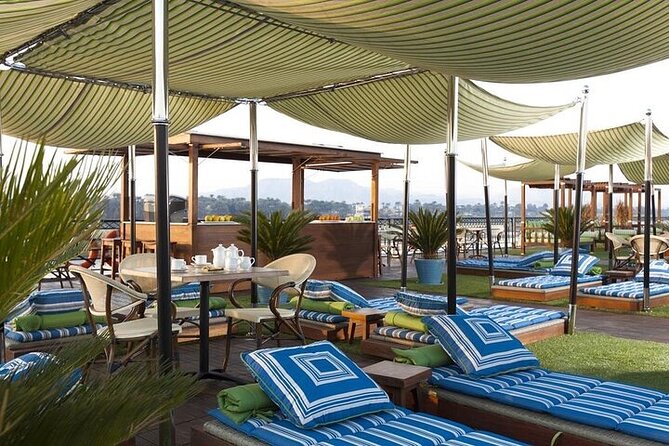
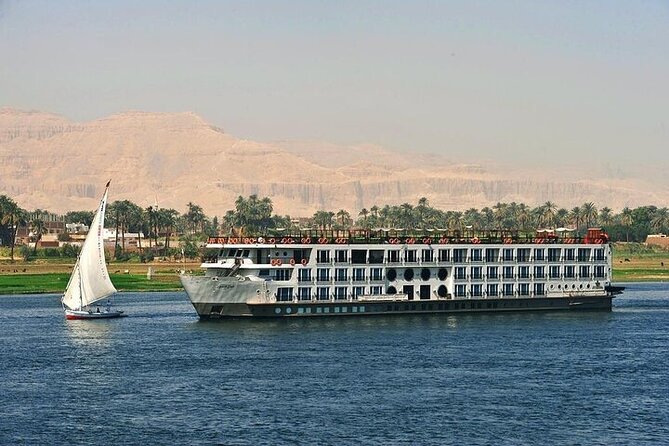
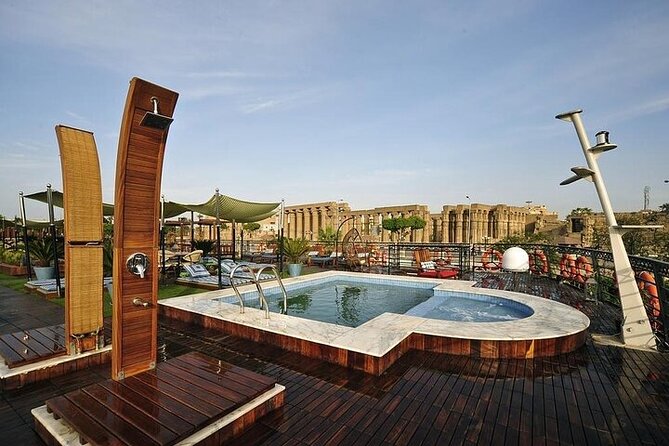
This is the kind of trip that makes sense when you want Egypt’s top sites without turning your schedule into a spreadsheet. You travel by modern air-conditioned deluxe vehicle between key stops, then sleep on a cruise ship while the Nile carries you onward. That rhythm matters. You’re not spending your time hunting taxis or figuring out entry lines.
What really helps is the balance of guided history and built-in rest. You get an Egyptologist guide during your excursions, so temple visits don’t turn into a self-guided scavenger hunt. Then you return to meals and downtime on board, which is exactly what you need after standing in sun for hours.
You can also read our reviews of more tours and experiences in Aswan.
- 4-Days Nile Cruise From Aswan To Luxor including Abu Simbel and Hot Air Balloon
★ 5.0 · 3,142 reviews
Day 1: Aswan High Dam, Philae by boat, and Kom Ombo’s twin-god temple
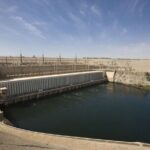
Your first day starts with the Aswan High Dam, built between the 1960s and 1970 to control flooding and generate electricity. It’s not an ancient ruin, but it’s still an Egypt story. You’ll get a quick way to understand how the Nile shaped life for thousands of years—and how modern engineering changed the equation.
From there, you head to the Kom Ombo area, and then to the Temple of Kom Ombo on the eastern bank. This is a standout because it’s dedicated to two deities: Sobek (crocodile god) and Horus (falcon-headed god). The design has a rare symmetrical layout, with twin entrances and paired spaces. Even if you’ve seen other temples, this one feels different because it’s literally built as a split story.
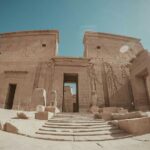
Then comes Philae Temple, reached by small motorboat. That boat ride is short, but it changes the feel. The Temple of Philae is a Graeco-Roman site dedicated to Isis, and it’s also part of a major theme in Egyptian religion: the “gods living in specific places,” not just gods in general. When you’re done, you return to the cruise ship for dinner, plus a folkloric show.
What you’ll like here
- The day moves from modern Nile power to ancient religious design to an iconic riverside temple.
- The included ticket access removes the hassle factor.
One thing to plan for
Day 1 packs a lot into a single stretch. Between travel, boat transfers, and temple walking, you’ll want comfortable shoes and a hat you trust.
Day 2: Edfu’s Temple of Horus, plus Karnak and Luxor’s grand stone drama
Day 2 is where the temples start stacking up in size and impact. You begin at the Temple of Horus in Edfu, one of the best-preserved ancient monuments in Egypt. It’s dedicated to Horus and was built during the Ptolemaic Kingdom (with dates spanning 237 to 57 BCE). The big value is how readable the site is. With your Egyptologist guide, the carvings and symbolism make more sense, and you’re not just looking at walls.
A fun detail here is the horse-drawn carriage ride as you travel to the temple. It’s small, but it helps make the day feel local rather than just “bus to entrance, bus back.” It’s the kind of moment that gives you a photo with context, not just a photo of scenery.
After Edfu, you shift to Luxor’s temple power centers.
Karnak Temple: the Hypostyle Hall’s 134 columns
Next up is Karnak, which is huge—over 200 acres—and focused primarily on Amun-Ra. The first wow moment is the approach through the Avenue of Sphinxes, followed by the Hypostyle Hall with 134 columns. These columns aren’t plain. They’re carved and decorated, and the guide’s narration helps you understand what you’re seeing as you move through.
If you’re the type who likes to “get it” instead of just “see it,” Karnak is your day. It can feel overwhelming alone. With a guide, it becomes a set of scenes tied together.
Luxor Temple: Ramses II, Amenhotep III, and a clear sense of ritual space
Then you visit Luxor Temple on the east bank. This one is dedicated to the Theban Triad: Amun, Mut, and Khonsu. You’ll notice the grand avenue of sphinxes and the presence of Ramses II through obelisks and colossal statues. Inside, the hypostyle hall and inner sanctum keep the focus on ritual and ceremony—so you feel the temple as a functioning space, not just a monument.
What you’ll like here
- You get two different styles of “big temple” on day 2: Edfu’s preserved clarity and Karnak’s massive scale.
- The included tickets mean less time spent at entrances.
Possible drawback
It’s a long day. You’ll likely be moving through multiple major complexes back-to-back. Take water seriously, and plan to slow down when you’re in direct sun.


Day 3: The Valley of the Kings, Hatshepsut’s terraces, and Memnon’s colossi
Your final day focuses on the west bank near Luxor, where the mood changes. It’s still Egypt’s drama, just more focused on burial, kingship, and afterlife beliefs.
Valley of the Kings: New Kingdom tombs and Tutankhamun’s legacy
First is the Valley of the Kings, a UNESCO World Heritage site where New Kingdom pharaohs were entombed. The main draw is the rock-cut tombs with hieroglyphs and painted scenes. With your visit, you’ll hear the story of the tombs and why the afterlife imagery mattered in daily belief.
The name most people connect to this valley is Tutankhamun, found in 1922 with a trove of artifacts. Even if you’ve seen pictures before, standing near these tomb entrances makes you understand how much effort went into the journey the dead were expected to take.
Temple of Hatshepsut at Deir el Bahari: terraced architecture with power
Next comes the Temple of Hatshepsut, also known as Djeser-Djeseru. It was built in the 15th century BCE for Hatshepsut, one of Egypt’s few female rulers. The temple is famous for its design that blends into towering cliffs behind it. You’ll get a clear look at how the terraces guide your sightline and create a sense of process as you walk.
If you care about architecture, this is one of your best “shift-your-brain” stops. It’s not just a wall full of carvings. The space itself is doing storytelling.
Colossi of Memnon: two huge statues, short stop, big impact
Finally, you’ll see the Colossi of Memnon, two massive statues of Amenhotep III about 18 meters high. This stop is shorter and the ticket is free, but it’s memorable because the scale is undeniable. You get time to take in the proportions and then move on.
What you’ll like here
- Day 3 delivers variety: burial valley symbolism, a major royal temple, then giant memorial statues.
- You end with a lower-effort stop, which helps after two full temple days.
Hot air balloon over Luxor: the one detail that can flip the whole trip
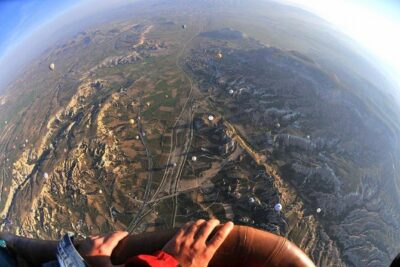
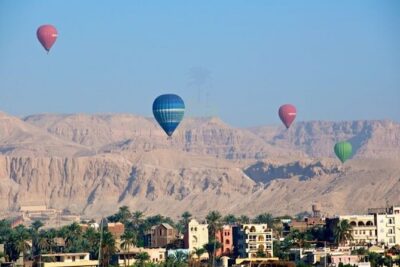
The trip includes a hot air balloon ride in Luxor. The emotional payoff is real for most people because it changes your view from ground-level monuments to an aerial sense of how the Nile region sits in the desert sky.
Here’s the key practical point: the operator notes that if the balloon is canceled due to bad weather, you’ll get a $25 per person refund. That means you should plan to be flexible on the balloon timing window. Sunrise balloon rides are common in Egypt, but your exact schedule isn’t spelled out in the details you have here—so the best approach is to treat the day as balloon-first.
If you’re sensitive to early mornings or you prefer “scheduled to the minute” travel, this is the one element that might mess with your comfort. Still, it’s usually the experience people remember most once the cruise days blur together.
Price and value: what $655.05 buys (and what you should still plan for)
At $655.05 per person for about 3 days, the value comes from how much is handled for you:
Included:
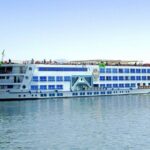
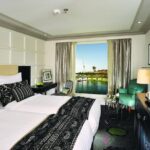
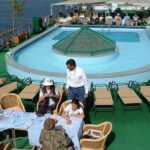
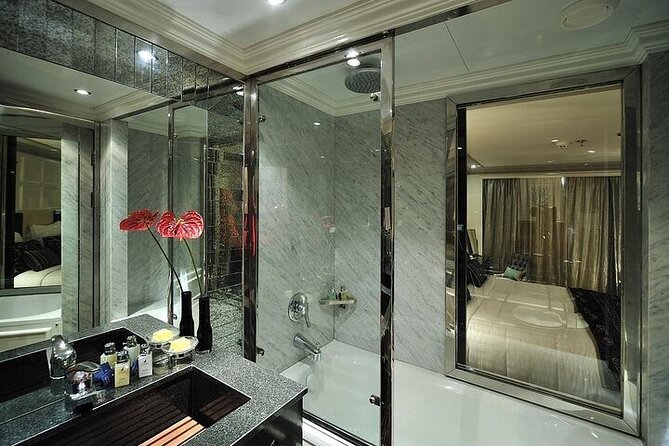
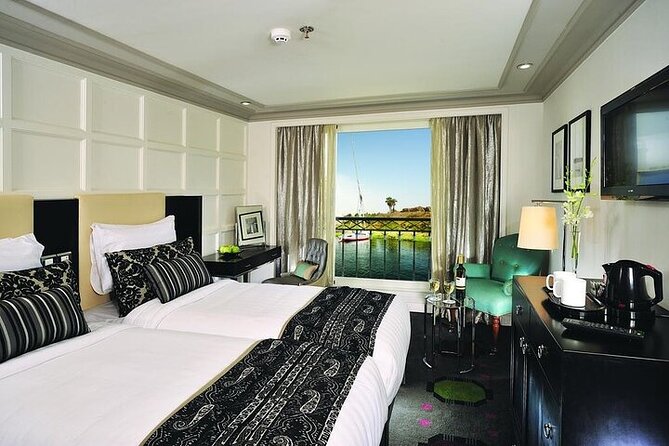
- Accommodation aboard a 5-star cruise with full board (breakfast, lunch, and dinner)
- All transfers by air-conditioned deluxe vehicle
- Egyptologist guide on excursions
- Meet-and-assist service upon arrival and departure
- Admission tickets for each listed stop
Not included:
- Tipping (standard in Egypt, and it’s on you to budget a bit)
You also get a mobile ticket and pickup is offered, which reduces friction when you arrive. And the tour is described as private for your group, meaning you won’t be stuck doing the “follow the slowest person” thing in a giant crowd.
Room note: if you want your own room, the info says you’ll need to book as a single person. If you’re traveling in a group of 3, you’ll enjoy one triple room.
My take on value
If you were paying guide fees, entrance tickets, and private transfers separately, this price looks more reasonable fast. The bundled structure is what makes it feel like a true shortcut to a high-quality itinerary.
Logistics you’ll want to get right before you go
Even with a well-run plan, your comfort still depends on small choices:
- Sun and heat management: temples are outdoors for long stretches. Bring water, a hat, and clothing you don’t mind repeating.
- Shoes: expect uneven stone and museum-style walking. Comfortable sneakers beat sandals here.
- Time management: start time is listed as 12:00 pm, so your first day likely won’t begin with an early morning city bustle.
- Balloon flexibility: weather can change plans. If you’re okay adapting, the payoff is worth it.
Also, the provider is Roxana Travel, and the experience is listed as a private activity. You’ll still be part of a structured schedule, just more controlled than a huge open-group tour.
Who this cruise is best for (and who should think twice)
This fits best if you:
- Want major Luxor and Aswan monuments in a short window
- Prefer being guided by an Egyptologist instead of trying to piece together temple meanings alone
- Like the idea of sleeping on the Nile and eating on board while someone else handles the driving and ticket access
- Are excited about the one extra wow moment: the hot air balloon in Luxor
Think twice if you:
- Hate early mornings (the balloon element can demand flexibility)
- Don’t like long day transitions between multiple temple complexes
- Want lots of free time with no schedule at all (this is structured, even if it feels relaxed once you’re on the ship)
Should you book this 3-day Nile cruise with hot air balloon?
If you want an Egypt trip that feels both easy and meaningful, this one is a strong candidate. The itinerary hits the big names: Aswan’s dam story, Philae’s riverside temple mood, Edfu’s preserved Horus temple, Luxor and Karnak’s stone scale, and then the west bank’s burial and royal monuments.
The main reason to book is the combination: guided temples plus the sanity of a cruise base. The main reason to hesitate is the balloon timing flexibility. If you’re fine rolling with weather and early wakeups, you’ll likely love the payoff.
If you’re still on the fence, you’ve got one practical comfort built in: it’s listed with free cancellation up to 24 hours in advance, so you can wait until you’re confident about dates.
FAQ
FAQ
What is the duration of the cruise?
The experience is listed as 3 days (approx.).
Where does the trip take place?
It’s described as an Aswan to Luxor Nile cruise, with stops including Edfu, Kom Ombo, and the west bank sites near Luxor.
How much does it cost?
The price is listed as $655.05 per person.
What is included in the tour?
Included are all transfers by an air-conditioned deluxe vehicle, an Egyptologist guide during excursions, 5-star cruise accommodation on a full board basis, meet-and-assist service upon arrival and departure, and meals (breakfast, lunch, and dinner) listed as included.
Are the temple admission tickets included?
Yes. Admission tickets are included for the listed stops (High Dam, Philae, Kom Ombo, Temple of Horus, Karnak, Luxor Temple, Valley of the Kings, and Temple of Hatshepsut). The Colossi of Memnon stop is listed as free admission.
Is the hot air balloon ride included?
Yes, the experience includes a hot air balloon ride in Luxor.
What happens if the hot air balloon is canceled?
If the hot air balloon is canceled due to bad weather, you’ll be refunded $25 per person.
Is tipping included?
No. Tipping is listed as not included.
Is this a private tour?
Yes. It’s described as a private tour/activity, meaning only your group participates.
What start time should I expect?
The start time is listed as 12:00 pm.
You Might Also Enjoy


More Tour Reviews in Aswan
- 4-Days Nile Cruise From Aswan To Luxor including Abu Simbel and Hot Air Balloon
★ 5.0 · 3,142 reviews