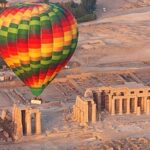
Watching ancient Egypt wake up is powerful. This 5-day cruise strings together the big Upper Egypt sites with guided visits, plus a hot-air balloon ride over Luxor that frames the temples and desert cliffs like a living map. I also love the simple rhythm here: guided mornings on land, then time back on a 5-star ship for full-board comfort (breakfast, lunch, dinner), so you’re not constantly recalculating logistics.
The main drawback to keep in mind is timing and heat. You’ll start early for the balloon and do long temple days, especially the full excursion to Abu Simbel, so plan for early mornings, sunscreen, and a slower pace on the days that pack the most walking.
In This Review
- Key highlights worth your attention
- Luxor to Aswan: why this 5-day cruise hits the big names
- Day 1 West Bank in Luxor: Valley of the Kings, Hatshepsut, and Colossi
- Day 2 Hot-air balloon plus Karnak and Luxor Temple on the east bank
- Day 3 Edfu’s Temple of Horus and the double temple at Kom Ombo
- Day 4 Abu Simbel: the early start that makes the whole trip feel worth it
- Day 5 Philae and the Aswan High Dam: Egypt after the temples
- Food, comfort, and the feel of “full board” on a Nile cruise
- Price and logistics: what $799.33 buys you, and what it doesn’t
- Who this cruise fits best
- Practical tips so the trip feels easier
- Should you book this Luxor to Aswan cruise?
- FAQ
- What is the duration of this tour?
- What does the price include?
- What are the main stops on the itinerary?
- Is the hot-air balloon ride included?
- What happens if the hot-air balloon ride is canceled?
- Is Abu Simbel admission included?
- Is tipping included in the tour price?
- Does the tour offer pickup and drop-off?
- Can the tour accommodate dietary restrictions?
- Is this tour private?
Key highlights worth your attention
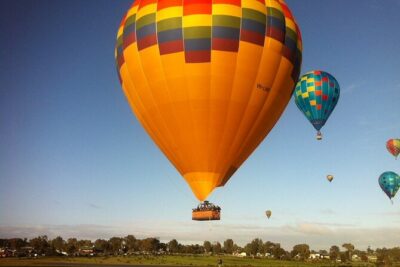
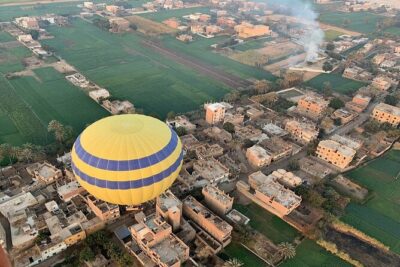
- Hot-air balloon over Luxor’s west bank: a 45 to 55 minute flight over the same ancient viewpoints you’ll visit on land
- Two Luxor banks, two temple moods: Karnak on the east and the west bank trio of Valley of the Kings, Hatshepsut, and Colossi
- Edfu and Kom Ombo: a well-preserved Horus temple followed by a rare double temple at Kom Ombo
- Abu Simbel as the crown jewel: an early guided outing that takes over most of your day
- Aswan beyond temples: Philae and the Aswan High Dam give you a modern Egypt context
Luxor to Aswan: why this 5-day cruise hits the big names
Upper Egypt is where Egypt’s story feels most physical. Stone tombs, carved sanctuaries, and riverside gods sit close enough that you can keep connecting the dots from one site to the next.
This itinerary works because it reduces travel friction. Instead of jumping between hotels, you stay on your Nile cruise while the scenery changes every day, with guided stops when it matters most.
You’re also getting a strong mix of Egypt’s eras. You’ll go from royal tomb culture on the west bank to Ptolemaic-era temple architecture at Kom Ombo, then into the modern footprint of the High Dam near the end of the trip.
You can also read our reviews of more tours and experiences in Luxor.


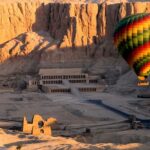
Day 1 West Bank in Luxor: Valley of the Kings, Hatshepsut, and Colossi
Your first day focuses on the west bank, the traditional royal burial zone across from Luxor. This side of the Nile doesn’t just look archaeological. It’s the setting for the way ancient Egyptians staged ideas about death, status, and the afterlife.
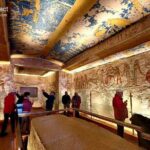
At the Valley of the Kings, you’re stepping into a royal burial ground used for centuries. The tours here focus your eyes on why these tombs were built where they were, and how they relate to the funerary city of Thebes. It’s a great start if you like understanding the logic behind the ruins rather than just checking boxes.
Then comes the Temple of Hatshepsut at Deir el-Bahari. Queen Hatshepsut’s mortuary temple is all about design and survival over time—terraced layers and careful placement that still feel intentional. Even if you’re not an architecture fanatic, you’ll notice how the complex sets a mood, like you’re walking into a carved statement.
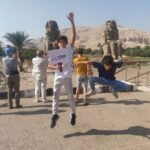
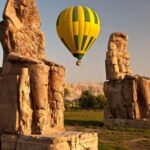
You finish with the Colossi of Memnon, two huge statues from Amenhotep III’s era. They’re brief compared with the other stops, but they’re dramatic and easy to remember. You’re basically getting a fast, powerful visual: scale that tells you how the ancient world liked to impress.
Practical note: this day is shorter than it sounds on paper, but it still works best if you wear breathable clothes and bring a bottle of water. West bank walks add up in the heat.
Day 2 Hot-air balloon plus Karnak and Luxor Temple on the east bank
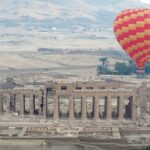
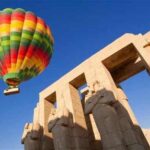
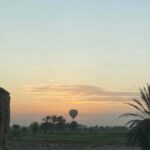
Day 2 starts with the big show: a hot-air balloon flight over Luxor’s west bank. You’re picked up early, and the ride lasts about 45 to 55 minutes. From the air, Luxor becomes an outdoor museum you can finally see as one connected space—temples, river bends, and mountain silhouettes lining up in your mind.
The balloon is also a nice change of pace mentally. After a day of tombs and terraces, you get a wide-angle perspective first, and only then do you go back into the details on the ground.
Back on land, you visit Karnak Temple. Karnak is huge in more ways than one: massive avenues, the Hypostyle Hall with its tall columns, and multiple layers of rulers represented in the complex. You’ll also see standout elements like the Sacred Lake and specific royal references tied to Amenhotep III and other reigns.
Then you end the day at the Luxor Temple on the east bank. This one feels different from Karnak. It’s more intimate, more urban, and it helps you understand how these sacred spaces were connected to the daily fabric of Luxor, not just the countryside.
If the balloon is canceled due to unfavorable weather, you’ll receive a refund of $24 per person. It’s a small line item, but it matters—because the flight is one of the main reasons people choose this specific route.
Day 3 Edfu’s Temple of Horus and the double temple at Kom Ombo
After breakfast, your next stop takes you to Edfu for the Temple of Horus. This is a falcon-headed god temple experience, and what makes it special is how well preserved it feels compared with some other sites. It’s also set up for a guided flow—so you don’t get lost in the size of the place. You get to focus on symbols and structure as you go.
Edfu also gives you a sense of how Upper Egypt temples worked outside the Luxor bubble. You’re moving downriver, and the cultural vibe shifts. That change alone makes the day feel like more than just another stop.
Next is Kom Ombo, famous for its unusual double-temple layout. You’ll see how the Ptolemaic-era design created space for different divine functions, and later additions show how the temple kept evolving even after its initial construction period. It’s one of those sites where a guide helps you read the building like a map.
You also enjoy lunch on board as the ship sails toward Aswan, then you sleep in Aswan. That matters more than it sounds. You’re not rushing between every door and doorway all day, and you still get a proper break in the middle.
Day 4 Abu Simbel: the early start that makes the whole trip feel worth it
Abu Simbel Temple Complex is the day that often decides whether your trip becomes a highlight or just a pleasant vacation. This outing starts early, and it takes over most of your day. The guided portion is long enough that you’ll have time to understand what you’re looking at, rather than doing a fast walk-through.
You return to the cruise ship for lunch after the guided tour, then you spend the afternoon enjoying ship activities. Dinner is on board, and you stay overnight in Aswan again.
One key detail: Abu Simbel admission is listed as not included. So if you’re counting exact costs, double-check what you’ll need to pay on the day.
This is also where patience pays off. The early schedule can feel intense, but Abu Simbel is famous for being worth the effort. If you like Egypt’s story told through monuments built for power and divine kingship, you’ll feel right at home here.



Day 5 Philae and the Aswan High Dam: Egypt after the temples
Your final day slows down just enough to make it feel satisfying, not like you’re sprinting to the finish line. After breakfast, you check out at 8am and begin with a guided visit to Philae.
Philae is devoted to the goddess Isis, and you’ll also take a boat trip as part of the experience. That boat segment turns the visit into more than a temple stop. It creates a small transition moment, so when you arrive, you’re mentally ready to look closely.
After Philae, you head to the Aswan High Dam. This is a major modern landmark, and it’s a useful contrast to the ancient sites. The dam is described as one of the world’s largest embankment dams, built across the Nile between 1960 and 1970, and it’s presented as a key piece of Egypt’s 20th-century transformation. Seeing it on the way out helps you understand how people keep reshaping the Nile’s life and flow long after the pharaohs.
Food, comfort, and the feel of “full board” on a Nile cruise
The cruise is described as 4 nights on a 5-star ship, with full-board meals. That includes breakfast, lunch, and dinner daily across the stay. For most people, this is the hidden value: you spend your energy on the sites, not on finding restaurants or managing meals around long temple days.
The review-style feedback you’ll see for this trip tends to focus on food quality and comfort, including the way meals are handled and the feel of the onboard service. The day-by-day structure also helps—lunch comes when you’re in transit, and dinner lands when you’ve finished the last guided stop.
Cabin comfort matters too. One of the consistent notes is that rooms feel clean and spacious with beds that you can actually sleep on. On a trip built around early mornings, that’s not a small thing.
Price and logistics: what $799.33 buys you, and what it doesn’t
At $799.33 per person, you’re paying for more than a room and a boat ride. You’re getting guided archaeology time with an Egyptologist-speaking tour guide, plus air-conditioned car pickup and drop-off for the excursions. You also get meet-and-greet service and full-board meals for the four nights on the ship.
Here’s what you should budget separately:
- Tipping for tour guides, drivers, and Nile cruise crew is not included
- Abu Simbel admission is not included
- Any extra personal spending on the days you have free moments on board
Also, check the balloon plan. Hot-air balloon is included, and if it’s canceled due to unfavorable weather, you get a $24 per person refund. It’s not the full cost of the experience, but it’s a real safety net for the flight component.
If you want maximum value, plan to use the included rhythm. Go to the early starts well-rested, then enjoy the ship downtime without turning it into a second sightseeing schedule.
Who this cruise fits best
This trip is ideal if you want a guided, structured Egypt route with minimal transfers. You’ll cover Luxor’s west bank temples, Karnak and Luxor Temple, the Edfu-Kom Ombo sequence, then Abu Simbel and Aswan’s modern end point.
It also fits couples, solo travelers, and small groups who like a steady pace. The itinerary moves daily, but the ship meals and onboard breaks prevent it from feeling like one nonstop bus day.
If you dislike early mornings or you struggle with long days in strong sun, you’ll still have options, but you’ll need to be realistic about the balloon start and the Abu Simbel day.
Practical tips so the trip feels easier
A few common-sense moves will make a big difference here:
- Bring a hat and sunscreen for the west bank and temple mornings. Your biggest enemy is sun fatigue.
- Wear shoes that handle uneven stone. Temple floors and paths can be slick or irregular.
- Keep a small day bag with water and snacks when you’re between lunch and dinner.
- For the balloon day, plan to dress in layers you can remove quickly. Morning air can feel different once you’re up and moving.
- Abu Simbel day is long. If you’re someone who likes to photo everything, pace yourself so you don’t rush through the guide’s explanations.
Also, dietary restrictions are noted as accommodated, including vegetarian, vegan, and gluten-free needs. If you have specific requirements, communicate them during booking so the ship can prepare properly.
Should you book this Luxor to Aswan cruise?
If you want a Luxor-to-Aswan trip where the logistics are handled and the highlights are actually built into the schedule, this is a strong pick. The pairing of Luxor temples plus a hot-air balloon, then Edfu-Kom Ombo, then Abu Simbel, is a smart arc—ancient power to river culture to the single biggest monument payoff in the route.
I’d especially recommend it if you value guided explanations and hate the idea of bouncing between hotels. The full-board setup is also a real advantage when you’re doing temples all day.
I’d hesitate only if you’re sensitive to early starts and long excursion days. This tour runs on morning energy.
FAQ
What is the duration of this tour?
It runs for 5 days (approximately) and includes 4 nights on a 5-star Nile cruise ship.
What does the price include?
The price includes 4 nights on a 5-star cruise on full-board basis, Egyptologist-speaking tour guides during excursions, air-conditioned car pickup and drop-off, meet-and-greet service upon arrival and departure, and full meals (breakfast, lunch, dinner).
What are the main stops on the itinerary?
You’ll visit the Valley of the Kings, Temple of Hatshepsut at Deir el-Bahari, Colossi of Memnon, Karnak Temple, Luxor Temple, Temple of Horus (Edfu), Temple of Kom Ombo, Abu Simbel Temple Complex, Temple of Philae, and the Aswan High Dam.
Is the hot-air balloon ride included?
Yes. The hot-air balloon ride over Luxor is included and lasts about 45 to 55 minutes.
What happens if the hot-air balloon ride is canceled?
If the balloon ride is canceled due to unfavorable weather conditions, you’ll be refunded $24 per person.
Is Abu Simbel admission included?
No. Abu Simbel admission is listed as not included.
Is tipping included in the tour price?
No. Tipping for tour guides, drivers, and Nile cruise crew is not included.
Does the tour offer pickup and drop-off?
Yes. Pickup and drop-off are offered by air-conditioned car, and there is meet-and-greet service upon arrival and departure.
Can the tour accommodate dietary restrictions?
Yes. Dietary restrictions such as vegetarian, vegan, and gluten-free are accommodated.
Is this tour private?
Yes. It is listed as private, and only your group will participate.