REVIEW · LUXOR
Hot-air Balloon ride, Visit the Kings Valley, Hatshepsut temple,
Book on Viator →Operated by Al Hajeej Travel Luxor, Egypt · Bookable on Viator
Four a.m. Luxor feels like magic. This tour pairs private, air-conditioned transfers with a hot-air balloon upgrade, so you get both the meaning of the West Bank and the view that photos never capture. I also love how the day is structured around a guide who helps you know what you’re looking at, not just where to walk. One drawback to plan for: the balloon depends on wind and weather, so timing can shift or the ride can be rescheduled.
You’ll start with a straightforward hotel pickup and a driver who gets you moving before the crowds build up. Then it’s into the big-ticket sites: the Valley of the Kings (with a guide briefing before you enter), Hatshepsut at Deir el Bahari, and the Colossi of Memnon. If you’re sensitive to street sellers and haggling energy, expect some of that along the way.
From the guidance side, people highlight a stand-out experience with the Valley of the Kings and Hatshepsut guide named Mr. Ali, described as engaging and genuinely helpful. Just note: this is an early, active morning, and the tour asks for moderate physical fitness, so come prepared for stairs, uneven ground, and a long day window of about 6 to 7 hours.
In This Review
- Key highlights worth waking up for
- West Bank Luxor works best with a real guide
- The hot-air balloon upgrade: what you gain from the sky
- Valley of the Kings: three tombs plus a guide briefing that actually helps
- Hatshepsut at Deir el Bahari: terraces, power, and a better way to read the temple
- Colossi of Memnon: a quick, iconic checkpoint
- Getting around: transfers, breakfast box, and how the day flows
- Price and value: is $145 worth it?
- Who this tour suits best (and who should rethink it)
- Should you book this West Bank day with a balloon upgrade?
- FAQ
- What time does the tour start?
- How long does the experience take?
- Is the hot-air balloon ride included?
- What happens if wind or bad weather affects the balloon?
- Does the tour include hotel pickup and drop-off?
- Which sites are included on the ground portion?
- How many tombs do you see in the Valley of the Kings?
- Are entrance fees included?
- Is the Colossi of Memnon stop ticketed?
- Is this tour suitable for people with limited mobility?
Key highlights worth waking up for
- 4:00 am start with hotel pickup: the day begins early to fit balloon logistics and cooler sightseeing hours.
- Balloon viewpoint of the Valley of the Kings: the upgrade is the best way to grasp the layout of the Theban burial landscape.
- A guide who sets you up at the right moment: you get guidance at the visitor center before visiting tombs.
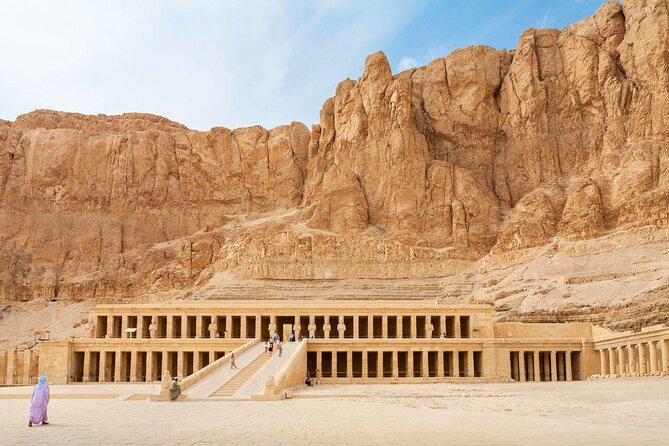
- Hatshepsut at Deir el Bahari: one of Luxor’s most striking terrace temples, tied to the story of Egypt’s female pharaoh.
- Colossi of Memnon stop is brief: 20 minutes is enough for the photos and quick context, not a long hangout.
- Private tour experience: it’s just your group, so the pace and questions stay yours.
West Bank Luxor works best with a real guide
Luxor’s West Bank is the kind of place where a guide quietly changes everything. If you try to DIY, you spend energy figuring out routes, entrances, and timing—then you still arrive without knowing what to prioritize. This tour solves that by using a private, air-conditioned car and pairing you with an Egyptologist-style guide, so you’re not just collecting stamps on a map.
I like that you’re not dropped off with vague instructions. The format is built around explanations at the start of key moments, especially before you enter tombs. That matters because the Valley of the Kings can feel like a maze once you’re underground. A briefing helps you get your bearings fast—what to notice, what the decoration means, and why certain tombs are singled out.
And it’s genuinely efficient. You’re not racing from place to place with shared transport. The pickup and drop-off are from your Luxor hotel, and the tour runs for about 6 to 7 hours, so you get a compact “big hits” day without feeling like you’re trapped all day long.
You can also read our reviews of more tours and experiences in Luxor.


The hot-air balloon upgrade: what you gain from the sky
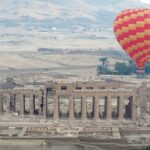
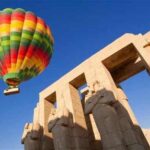
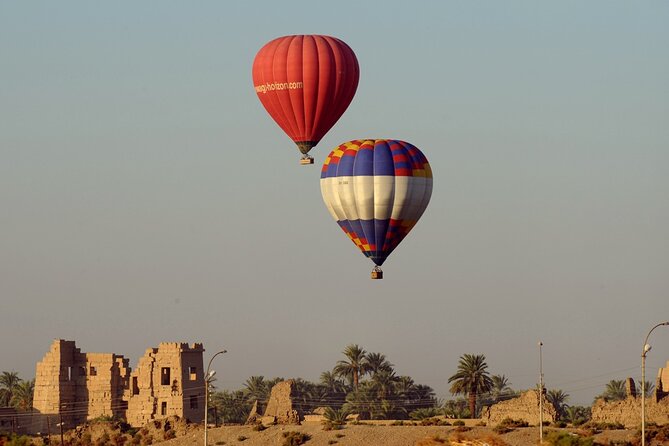
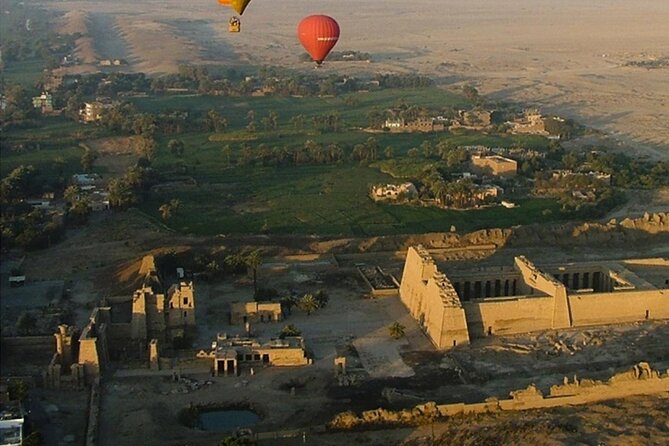
The balloon part is the reason many people choose this day over the standard ground-only version. Your upgrade is designed around seeing the Valley of the Kings from above, which helps you understand the geography in a way that’s hard on foot. From the air, you get a clearer sense of where the tombs sit against the cliffs and why the burial valley became such a powerful location.
Timing is the reality check. The tour starts very early (4:00 am), and the balloon ride depends on conditions—especially wind. The operator notes that if weather is unsuitable, the balloon will be rescheduled or refunded, and you’ll be informed the night before. That reduces stress because you’re not waiting until the last minute with no plan.
What to pack for a balloon morning in Luxor (practical, not fancy): bring layers. Even if daytime feels warm, early balloon time can be cooler. Also, expect to move around before and after the flight. You’ll want comfortable shoes even if most of the exciting part is in the basket.
One more thing: balloon mornings can be popular, and schedules are tight. Here, the tour is clearly set up to handle the flow—pickup, balloon logistics, then the rest of the West Bank sites. Feedback on the experience also points to smooth organization, including people noting they were among the first balloons to take off.
Valley of the Kings: three tombs plus a guide briefing that actually helps
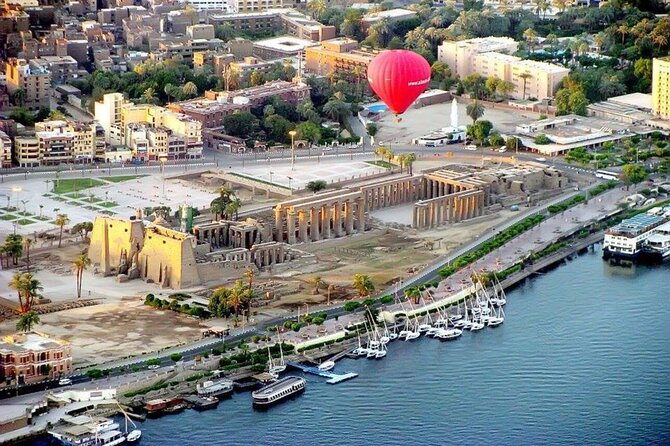
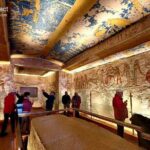
The Valley of the Kings is the star on the West Bank, but it’s not just about entering famous tombs. The real value here is the lead-in. After you arrive, you get a detailed description at the visitor center. Then you head into the tombs on your own—with the right context already in your head.
This “brief first, explore after” structure is smart. In underground tombs, you won’t always get the same back-and-forth explanations you would in open-air sites. So the tour’s approach helps you notice details that you’d otherwise miss. People often leave feeling like they understood what they were seeing instead of just walking through rooms.
You’ll visit three tombs. That’s a balanced number: enough variety to feel like you learned something, without a full-day endurance push through too many entrances. The tombs are archaeological sites, and your time is structured so you can look, then move on before you lose momentum.
Then there’s a lunch stop at a restaurant after the tombs. It’s a welcome reset point. One practical tip: keep your valuables and day-bag simple. Between early morning, tomb walking, and temperature shifts, you’ll move faster if you’re not juggling extra items.
A note on logistics: the tour info mentions that your guide can’t go into the tombs with you. That’s normal for many tomb situations, but the good part is that you still get guided prep outside.
Hatshepsut at Deir el Bahari: terraces, power, and a better way to read the temple
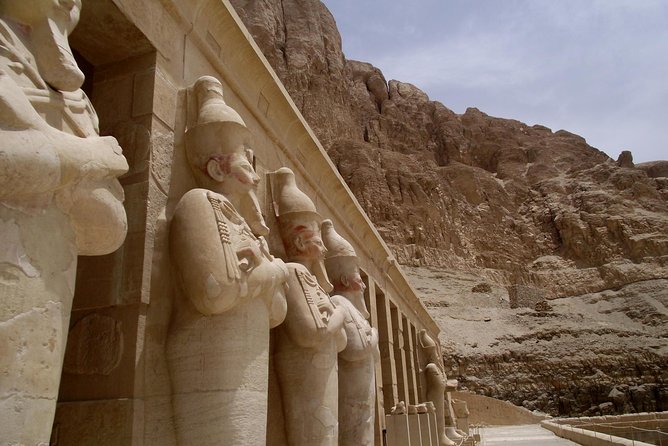
Next is the Temple of Hatshepsut at Deir el Bahari. This stop is where the story of Luxor becomes personal. Hatshepsut was one of Egypt’s most fascinating rulers, and the temple is dedicated to her—an impressive, terraced structure rising from the desert plain.
You’ll spend about 1 hour 30 minutes at the temple, long enough to walk the terraces at a comfortable pace and still take in how the temple is laid out. The “terraces rising from the desert” idea isn’t just scenery—it affects how you experience the architecture and the sense of ascent and importance.
The guide focus here is key: you should leave understanding why Hatshepsut mattered and how her reign helped shape the empire. Even if you’ve seen temple photos before, this is one of those places where the explanations change your reading of the stone. People also tend to find that this temple is more than a backdrop—it feels like a narrative.
One realistic consideration: temples in Luxor can include uneven surfaces and stairs between levels. If you’re expecting a smooth, flat walk, you might be surprised. Keep water in mind too—especially after the early start and the Valley of the Kings.
Colossi of Memnon: a quick, iconic checkpoint
The final classic photo stop is the Colossi of Memnon, two enormous statues associated with Pharaoh Amenhotep III. The tour keeps it short—about 20 minutes—and the ticket is listed as free.
This stop works well as a wind-down checkpoint after the heavier tomb and temple visiting. You get the famous scale without burning your whole remaining time. And with a guide, you can connect the statues to what you just learned on the West Bank instead of treating it like a random roadside landmark.
If you’re the kind of traveler who likes spending extra time absorbing one place, you might wish this portion were longer. But for a 6 to 7 hour day that still includes a balloon ride and two major monuments, the short duration makes sense. It’s the definition of a “hit-and-go iconic stop.”





Getting around: transfers, breakfast box, and how the day flows
This tour is designed for comfort and time efficiency. You get pickup and drop-off from your Luxor hotel, and transportation is in a comfortable sedan. The schedule starts early enough that you’re not fighting peak-day heat while doing walking-heavy sites.
There’s also a mention of a breakfast box from the hotel. That’s a practical detail for an early start. It helps you avoid hunting for food at strange hours while you’re juggling balloon timing and visitor entrances.
Expect some waiting or time buffers around the balloon and site transitions. That’s normal. The main advantage of booking a package like this is that the operator handles the order of operations so you can focus on seeing—not coordinating.
If you like your days structured, this format is for you. If you prefer lots of free time to wander and linger without a plan, you’ll likely want to add extra hours elsewhere in Luxor.
Price and value: is $145 worth it?
At $145 per person, the value comes from the mix: private guide service, hotel transfers, entry into the big West Bank sites, and the optional balloon ride that typically adds major cost on its own.
Here’s how I’d weigh it:
- If you only cared about the Valley of the Kings and Hatshepsut, you might find cheaper options. But the guide-led structure—especially the briefing before tombs—helps you experience the sites more intelligently.
- If you truly want the balloon view of the Valley, this package is often the most practical way to make that happen without piecing together separate tours.
- The day is only about 6 to 7 hours, which helps justify the price versus longer full-day tours that can feel tiring.
If you’re comparing, double-check what your ticket costs cover at booking time, because the info provided shows some wording differences about admissions. The package lists entrance fees for the Valley of the Kings and Hatshepsut Temple, and Colossi of Memnon is listed as free. Either way, confirm so you’re not surprised by on-the-day payment.
Who this tour suits best (and who should rethink it)
This is a great fit if you:
- Want a private day on the West Bank without hassle.
- Are excited by the idea of seeing the Valley of the Kings from above.
- Prefer a guide who explains what to look for before you enter tombs.
- Can handle an early start and moderate walking.
It may not be ideal if you:
- Hate very early mornings (the start time is 4:00 am).
- Get stressed by changes caused by wind or weather, even though the balloon rule is clearly communicated the night before.
- Struggle with uneven paths, stairs, and a longer sequence of stops.
One more note from experience-style feedback: street sellers can be a factor in Egypt, and that can add irritation even during a well-run tour. If that tends to wear you down, keep your mindset calm and be ready to politely ignore sales pressure while you focus on the monuments.
Should you book this West Bank day with a balloon upgrade?
I’d book it if you want the West Bank highlights in a single organized morning and you’re serious about adding the balloon for the Valley-of-the-Kings perspective. This is the kind of day where the structure matters: hotel pickup, balloon timing, a visitor-center briefing, three tombs, Hatshepsut’s terrace temple, and a quick iconic finale at the Colossi.
Skip it only if your priority is slow independent wandering with lots of flexibility. In that case, you might prefer a ground-only arrangement with more free time. But if your goal is to get the most meaning out of a limited schedule, this one is strong.
If you do book, bring layers for early balloon hours, wear comfortable shoes for tomb and temple walking, and confirm the admission/ticket details for Valley of the Kings and Hatshepsut when you reserve, since the package language can be slightly inconsistent.
FAQ
What time does the tour start?
The tour starts at 4:00 am, with pickup from your Luxor hotel.
How long does the experience take?
It’s listed as about 6 to 7 hours.
Is the hot-air balloon ride included?
Yes—if you choose the balloon upgrade, the hot-air balloon ride is included, and the balloon part is listed at about 1 hour 30 minutes.
What happens if wind or bad weather affects the balloon?
The operator says that if the balloon can’t fly due to wind or bad weather, the ride will be rescheduled or you’ll receive a refund. You’ll be informed the night before.
Does the tour include hotel pickup and drop-off?
Yes. The tour includes pickup and return to your hotel in Luxor.
Which sites are included on the ground portion?
You’ll visit the Valley of the Kings, the Temple of Hatshepsut at Deir el Bahari, and the Colossi of Memnon.
How many tombs do you see in the Valley of the Kings?
You’ll visit 3 tombs.
Are entrance fees included?
The details provided say entrance fees are included for the Valley of the Kings and Hatshepsut Temple, but some stop notes say admission tickets are not included. It’s best to confirm at booking so you know what you’ll pay on the day.
Is the Colossi of Memnon stop ticketed?
The Colossi of Memnon is listed as admission ticket free.
Is this tour suitable for people with limited mobility?
The tour notes a moderate physical fitness level, so it’s best for people comfortable with walking and uneven/stepped areas.