REVIEW · LUXOR
From Luxor:7-Night Luxury Nile River Cruise & Hot Air Balloon
Book on Viator →Operated by Nice tours · Bookable on Viator
Luxor’s Nile cruise feels like a time machine with legs, then you float above it at sunrise. This 7-night, 5-star cruise pairs major ancient sites on the river route with a hot air balloon ride over Luxor’s temples and neighborhoods.
What I like most is the pacing and guide power: you get a private Egyptologist with English explanations, and the program hits big-name stops plus smaller moments that add up. Another win is the variety—West Bank tombs, East Bank temples, and a long Abu Simbel day—without you having to do the logistics.
One thing to plan for: entrance fees aren’t included, and some sites can feel busy when multiple boats line up. Also, one review noted the cabin rooms can be a bit older, though they were still fine.
In This Review
- Key highlights to know before you go
- Getting started in Luxor: pickup, timing, and your first West Bank day
- Valley of the Kings and Colossi of Memnon: the tombs that set the tone
- Hatshepsut at Deir el-Bahari: a power story in stone
- Luxor city time and the old market: a small taste of everyday Egypt
- Sunrise hot air balloon over Luxor: how the light changes everything
- Edfu by horse and carriage, then Kom Ombo’s two-god temple
- Aswan High Dam and Philae Island: seeing the modern Nile story
- Abu Simbel and the Nubian Village: the far-wonder day that anchors the cruise
- Two slower days afloat: how to actually enjoy “leisure on board”
- Karnak and Luxor Temple on the East Bank: the grand finale
- Price and logistics: does $900 feel fair?
- Comfort on the cruise: what 5-star really means here
- Best guide energy: what names from past groups suggest
- Who this cruise suits best (and who might not)
- Should you book this Luxor-to-Aswan cruise with a balloon?
- FAQ
- FAQ
- What locations are covered on this cruise?
- How long is the experience?
- Is pickup and drop-off included?
- Is the hot air balloon ride included?
- Are entrance fees included for the sites?
- What meals are included?
- What kind of guide will I have?
- Is the tour private or group-based?
- What is the meeting time?
- Is there free cancellation?
Key highlights to know before you go
- Sunrise balloon over Luxor: you’re watching the light change on ancient stone and Nile bends.
- Private Egyptologist guide: explanations are detailed, with guides like Mary Mena, Safa, Remon, Ayman, George, and Issa Mahmoud showing up in past groups.
- West Bank focus on Day One: Valley of the Kings, Hatshepsut at Deir el-Bahari, Colossi of Memnon, and a look at Luxor’s old market.
- Edfu by horse and carriage: a classic ride that makes the trip to the Ptolemaic temple feel more human.
- Abu Simbel takes the whole day: plus a Nubian Village stop for culture beyond the monuments.
Getting started in Luxor: pickup, timing, and your first West Bank day
The trip runs from Luxor, and it’s built around smooth transfers. You’re picked up and dropped off by the provider—hotel or airport in Luxor—so you’re not trying to figure out local transport after a long travel day. The meeting time listed is 11:00 am, which usually means you’ll settle in, get oriented, and then start your first set of sites without wasting daylight.
I like how the program starts on the West Bank. It’s a helpful move because Luxor is split by the Nile: the West Bank is where you’ll find the tombs and “mortuary” monuments, while the East Bank leans into temples and living-city energy. Doing that first lets you mentally sort what you’re seeing later at Karnak and Luxor Temple.
One small but real practical note: you’ll be outside quite a bit on your first day. Wear comfortable shoes you can walk in for temple stairways and uneven paths, and bring sun protection. Even if temperatures are pleasant, Egypt sun is still Egypt sun.
You can also read our reviews of more tours and experiences in Luxor.


Valley of the Kings and Colossi of Memnon: the tombs that set the tone
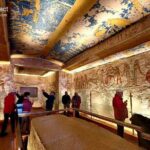
Your first major stop is the Valley of the Kings, the royal burial ground on the West Bank. You’ll visit tombs and see the resting places of kings such as Ramesses III, Ramesses VI, and Merenptah, and you’ll also cover the tomb of Tut-Ankh-Amon as part of the visit. This is the place where “ancient Egypt” stops being a phrase and turns into stone ceilings, painted corridors, and the tight scale of royal burial architecture.
Two things make this stop work well on this kind of cruise tour. First, it’s guided, so you’re not just looking at walls—you’re getting the point of the scenes and how royal ideology shows up in art and placement. Second, the timing feels designed to keep the day moving. Even with multiple sites packed in, you’re not stuck in one spot for hours.
Next up are the Colossi of Memnon. These huge statues are dramatic even from a distance. They’re connected to the mortuary temple of Amenhotep III, but what matters for you is the effect: standing in front of oversized stone figures that have watched the Nile for centuries. It’s a quick stop (about 30 minutes) but it’s a great “breather” after the intensity of the tomb valley.
A practical consideration: tomb access often depends on what’s open and how the day flows. Here, entrance to each tomb is described as not included for some parts of the West Bank program—so budget for entrance fees even if the tour covers guides, transfers, and the core visit structure.
Hatshepsut at Deir el-Bahari: a power story in stone
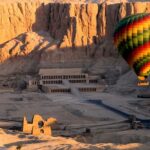
After the kings’ tombs, you head to Temple of Hatshepsut at Deir el-Bahari. This isn’t just another temple stop. It’s built around one of ancient Egypt’s standout stories: Hatshepsut as a female ruler who reigned for about two decades with wealth and stability.
Why I think this stop is worth your attention: Hatshepsut’s story is often skimmed in guidebooks, but here you get context that turns the architecture into something personal. You’re looking at a woman’s political ambition translated into a grand building project—terraces, symmetry, and a location chosen to command attention.
Expect a guided visit that’s about an hour. That’s long enough to understand the basics and still keep the day from dragging. If you like photos, aim for mid-day light if possible, but don’t wait too long—Egypt light can get harsh fast, and you’ll want to keep moving.
Luxor city time and the old market: a small taste of everyday Egypt
After the heavy monuments, the tour gives you a look at Luxor itself, including the old market area. It’s only around an hour, but that’s the point. This isn’t a “shopping spree” tour. It’s more like a chance to get your bearings, see daily textures of the city, and remember the monuments aren’t isolated—they’re part of a living place.
If you want the most out of this hour, keep it simple: take a slow walk, grab a drink when you can, and use it to connect what you learned on the West Bank to what you see in ordinary streets. It helps the bigger sites make sense later.
Sunrise hot air balloon over Luxor: how the light changes everything
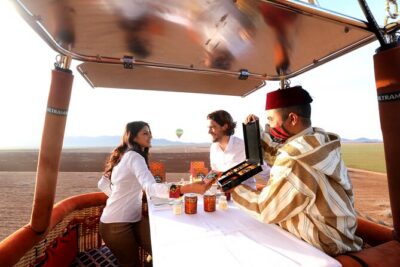
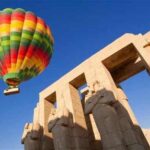
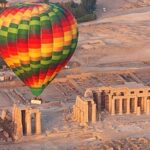
Day two is the big “wow” moment: a hot air balloon ride before sunrise, with views over Luxor and the surrounding area. You’ll be out early enough to catch that pre-dawn hush, then watch sunlight roll over the city and ancient sites.
This is the kind of experience that’s hard to fake with a description. From the program details, you’ll float above Luxor and sail past ancient villages and islands, then you return to the boat in time to keep the cruise moving. That blend matters: you’re not doing the balloon as a standalone day trip. You’re folding it into a full ancient-sites itinerary.
How to prepare (practical and real):
- Bring a light layer. Even if days are warm, mornings can feel cooler.
- Wear shoes with grip. Getting in and out of balloon baskets and vehicles is not the moment for slippery sandals.
- If you care about photos, keep your phone/camera charged and bring something to protect gear from dust.
A big plus from past experiences is that people consistently mention the view from the balloon as a highlight. That tracks: balloon flights make the Nile feel like a map you can actually read.





Edfu by horse and carriage, then Kom Ombo’s two-god temple
As the cruise moves to the next stretch, you get a morning stop in the Edfu area. There’s a traditional horse and carriage ride to Edfu Temple, described as the largest Ptolemaic temple in Egypt. This isn’t just transportation. It’s part of the cultural feel of the day—something you don’t get on modern highway tours.
Then you pivot to Kom Ombo. You’ll cruise in the afternoon, with time on the boat’s sun deck, and visit the Temple of Kom Ombo, known for its unique design: two sides dedicated to different gods. It’s the kind of architectural contrast that makes you pay attention to details you might otherwise miss.
One caution: program stops can feel busy at times, and temples are the first place crowds show up. If you hate big groups, go into this expecting that you’ll share the space—then focus on your best angles and don’t waste energy trying to escape the flow.
Aswan High Dam and Philae Island: seeing the modern Nile story
When you reach Aswan, the tour shifts from temple grandeur to a broader Nile reality check. After breakfast you visit Philae Island and the Temple of Isis, then you also see the High Dam.
This matters because it connects the ancient world to the modern one. The Nile has always shaped Egypt, and the High Dam is part of that story in today’s terms—electricity, water management, and the way people live around the river. It’s not as romantic as a tomb corridor, but it gives you context for why ancient monuments and modern infrastructure coexist along the same waterway.
You also get free time to explore Aswan and its ancient market. Again, it’s brief, but it gives your brain a rest from temples. If you’re energy-limited, use this time for shade breaks, water, and a quick look around. If you’re food-minded, this is the moment to try something local before the longer days.
Abu Simbel and the Nubian Village: the far-wonder day that anchors the cruise
Abu Simbel is the kind of site that makes people plan their whole trip around it. The program has you arriving in the morning, with a long stretch to explore the Abu Simbel Temple Complex, described as one of the most important wonders in the world. This is a big commitment day—around six hours in the program details—so you’ll feel it.
After Abu Simbel, you return to the cruise for lunch, then you visit the Nubian Village. The Nubian Village stop is shorter (about two hours), but it’s valuable because it’s not just monument sightseeing. You’re getting a human layer to the region’s culture.
The practical reality: this is a long day, and the logistics of remote monuments can make it feel more intense than Luxor sites. Bring water, take advantage of any breaks, and don’t underestimate how tired you’ll feel after standing around in open sun and waiting for guided explanations.
If you want to make Abu Simbel feel less exhausting, prioritize what you want to see most. Let the guide’s stories set the scene, but don’t overload your brain with every detail possible. Sometimes the best souvenir is a calm moment in front of the rock face.
Two slower days afloat: how to actually enjoy “leisure on board”
Not every day is packed with land stops. Days six and seven are at leisure on board, cruising back toward Luxor. This changes the vibe of the trip. After the West Bank intensity and the long Abu Simbel day, you finally get time to slow down.
What to do on ship days (without making up anything outside the program):
- Use these days for rest. Your body will be grateful.
- Spend time on the boat’s areas where you can watch the Nile pass. The sun deck time that’s mentioned during cruising segments is a good hint for what you’ll like here too.
- Check in with your guide if you have questions. Even when land stops aren’t scheduled, you can ask for context on what you’re seeing from the water.
This “breather” is also where value shows up. A lot of cruises sell the big sights, but the best ones know you need recovery time. Here, you get it.
Karnak and Luxor Temple on the East Bank: the grand finale
The trip closes with the East Bank’s top hitters: Karnak Temple and Luxor Temple. You’ll start with Karnak, described as the biggest temple complex in the world, for about two hours, then move to Luxor Temple for about an hour.
If Valley of the Kings was about endings and tombs, Karnak is about scale and power. It’s the kind of place where you understand why people still argue about how to measure what you’re seeing. Even with a guided route, it can feel like the temple keeps expanding no matter where you look.
Then comes Luxor Temple, built by Amenhotep III in the 18th Dynasty and completed by Ramses—so you’re watching a story unfold across reigns rather than one snapshot. It’s a satisfying closer because it ties the whole Luxor experience into one direction: West Bank to East Bank, funerary monuments to religious life.
At the end, you’re dropped back at your accommodation or the airport in Luxor. That makes it easier to plan your next day, especially if you’re connecting flights.
Price and logistics: does $900 feel fair?
At $900 per person, this cruise-and-balloon combination can feel like good value if you’re comparing it to the cost of doing the same sites with separate hotels, separate private guides, and balloon logistics on your own.
Here’s what you’re paying for, in plain terms:
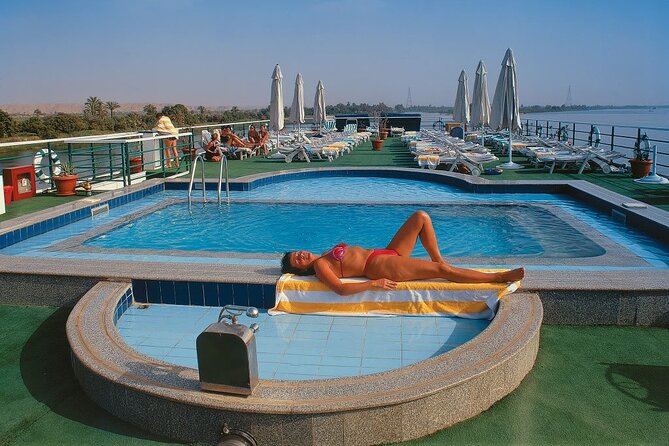
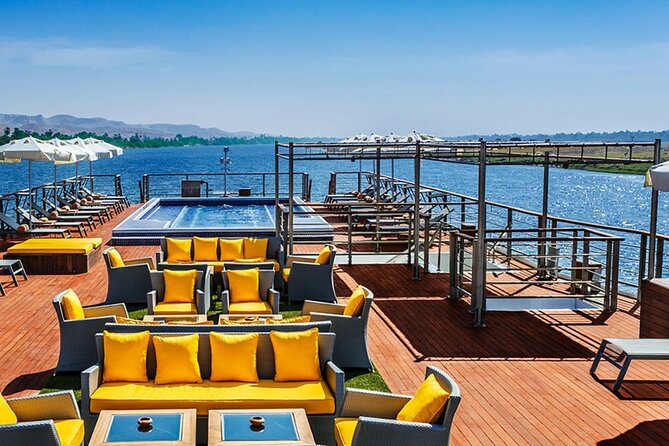
- A 5-star 7-night Nile cruise with cabin facilities
- Meals: breakfasts, lunches, and dinners (each listed as seven)
- A guide setup that includes private Egyptologist English-speaking guidance
- Major transportation: pickup/drop-off, private transportation, and motor boat
- The hot air balloon ride
- Sites included in the program
The two places you’ll still spend money: entrance fees (not included) and optional gratuities.
So the fairness question becomes: are you the kind of traveler who wants someone else to connect all the dots? If yes, this price can make sense. If you prefer to travel more independently and already have a rhythm for temple admissions and guide scheduling, you might compare costs for doing parts separately.
One more practical note: this experience is often booked far in advance (about 206 days on average). That’s usually a sign the dates sell out, especially for the balloon slots and prime cruise cabins.
Comfort on the cruise: what 5-star really means here
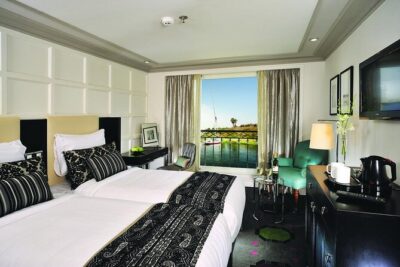
The package calls the cruise 5-star and includes cabins with all facilities. Meals are included, and you’ve got consistent daily structure around your guide’s timing.
Still, one review mentioned the boat rooms are a little older but okay. That tells you to keep expectations practical. If you’re coming mainly for the sites and the Nile time, the cabin is a base, not the whole vacation. If you’re the type who needs brand-new interiors to feel comfortable, you might want to ask what “5-star” means for this specific ship before committing.
Also, site crowding can happen. One review noted some stops felt crowded because multiple boats arrive around similar times. Your best defense is mental: focus on the guided path, take your photos early in the flow, and don’t treat crowd management like a hobby.
Best guide energy: what names from past groups suggest
Part of why this tour works is the human factor. Past groups highlighted guides who are professional and adapt to needs. Names that came up include Mary Mena, Safa, Remon, Ayman, George, Issa Mahmoud, and Asma Saber. People also mentioned support staff like Fam and booking help from Zeinab, plus a guide named Rayed in Luxor.
What this suggests for you: English explanations seem to be a strong point, and guides are often described as balancing information with real pacing. If you care about history details but hate lectures, this kind of guide “tone” is exactly what you want.
Who this cruise suits best (and who might not)
This experience is a strong fit if:
- You want big Egyptian highlights without planning transfers and admissions day-by-day
- You’re excited by both monuments and culture stops (like the Nubian Village)
- You want a mix of intense sightseeing and recovery days on the ship
- You value private, English-speaking expert guidance
It may feel less ideal if:
- You dislike crowds and temple schedules that run in waves (multiple boats can mean busier timing)
- You expect a completely new ship interior
- You don’t want to manage extra costs for entrance fees and optional gratuities
Should you book this Luxor-to-Aswan cruise with a balloon?
I’d book it if you want a one-trip solution for Luxor, the Nile stretch, Abu Simbel, and the East Bank finale, all wrapped around a sunrise balloon. The value is strongest when you add up the included essentials: cruise nights, meals, private Egyptologist guidance, transfers, and the balloon experience.
Do your homework on the two budget items you’ll still handle—entrance fees and optional gratuities—and plan for early mornings on balloon day. If you’re ready for that, this is the kind of trip that gives you both photos and context, not just snapshots.
If your dream is to see Egypt from water and then from above, with an expert guide running the show, this one hits the mark.
FAQ
FAQ
What locations are covered on this cruise?
This trip is based in Luxor and includes visits along the Nile route, including stops at Luxor, Edfu, Kom Ombo, Aswan, and Abu Simbel, plus a Nubian Village visit.
How long is the experience?
It’s listed as 8 days approximately, including 7-night Nile cruise time.
Is pickup and drop-off included?
Yes. The package includes airport/hotel pickup and drop-off, and you’ll be returned to your accommodation or to the airport in Luxor at the end.
Is the hot air balloon ride included?
Yes. A hot air balloon ride is included as part of the program.
Are entrance fees included for the sites?
No. Entrance fees are listed as not included, even though some specific admissions may be noted as included for certain stops.
What meals are included?
Breakfast, lunch, and dinner are included for the cruise days (listed as seven each).
What kind of guide will I have?
You’ll have a professional private Egyptologist English-speaking guide.
Is the tour private or group-based?
This is private. Only your group will participate.
What is the meeting time?
The start time is listed as 11:00 am.
Is there free cancellation?
Yes. You can cancel up to 24 hours in advance for a full refund.