A sunrise balloon over Luxor changes everything. This Aswan to Luxor Nile cruise is interesting because it stacks major sights with real downtime on a 5-star ship, and then tops it with a sunrise hot air balloon over the West Bank. What I like most is the day-by-day structure with guided temple time that doesn’t feel rushed, and the comfort of knowing you’re back on board for meals, rest, and that slow Nile rhythm.
One thing to consider: entrance tickets are not included for many stops, and the balloon day starts early. You’ll want to budget for site admissions on top of the tour price, and plan for an early pickup so you’re not scrambling.
In This Review
- Key highlights you’ll actually notice
- From Aswan check-in to 5-star sailing comfort
- Philae Temple by motorboat and the High Dam stop that changes the story
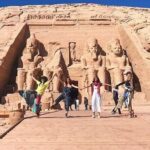
- Abu Simbel: the early-morning mega-site day
- Kom Ombo and Edfu: temple days with a real sense of variety
- Luxor East Bank temples and your night of performances
- Sunrise hot air balloon and the West Bank big three (plus the photo stop)
- Karnak Temple timing: how to squeeze more East Bank magic
- Price and value: what you’re really paying for at $1,200
- Who this Nile cruise fits best (and who should tweak expectations)
- Should you book this Aswan to Luxor cruise with hot air balloon?
- FAQ
- How long is the cruise from Aswan to Luxor with the balloon?
- What pickup and transfers are included?
- Are meals included during the cruise?
- Are entrance tickets included?
- What does the hot air balloon experience include?
- Which Luxor sites are covered on the East and West Bank?
- Is this tour private?
Key highlights you’ll actually notice
- Sunrise hot air balloon over Luxor’s West Bank for that big-sky view over temples and mountains
- Private guide energy with Egypt-focused storytelling across East and West Bank sites
- Abu Simbel day trip planned for early departure to hit the standout rock-cut complex
- Temple contrast day to day: Kom Ombo dual temple, Edfu’s Horus, then Luxor’s East Bank
- Aswan add-ons like Philae Temple by motorboat plus a High Dam visit
From Aswan check-in to 5-star sailing comfort
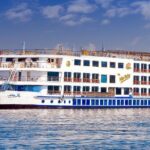
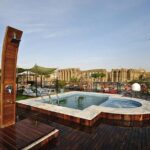
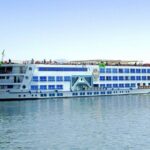
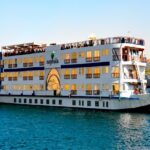
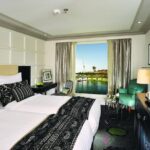
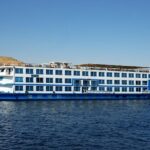
This is a classic Nile-cruise format, but with enough guided stops that your days feel full without turning into a nonstop bus tour. You start in Aswan with pickup and an air-conditioned transfer to your 5-star Nile cruise, then you check in before lunch. After that, the plan is simple: see the sites, eat well, sleep on the water, repeat.
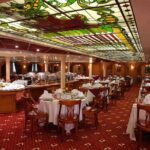
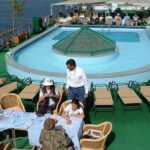
The ship part matters. Between temple visits, you get real time to look out at the Nile instead of staring at a timetable. It’s also where the “value” hides: your food and most transfers are handled, so you’re not constantly paying for taxis or figuring out logistics after a long day of walking.
You should also know the cruise isn’t sold as a quiet retreat. It’s more like a comfortable base camp. You’ll have guided visits in the morning or late afternoon, then onboard meals in the middle and evenings—so you get the best of both worlds.
You can also read our reviews of more tours and experiences in Aswan.
- 4-Days Nile Cruise From Aswan To Luxor including Abu Simbel and Hot Air Balloon
★ 5.0 · 3,142 reviews
Philae Temple by motorboat and the High Dam stop that changes the story
Aswan is where the Nile turns from a background feature into the main character. Your first day pairs the grand scale of modern engineering with an ancient sacred site, which gives you a sharper sense of how this region works.
The Aswan High Dam visit is short but meaningful. It explains how Egypt protected itself from flooding and generated electricity—two ideas that make the Nile feel less like a postcard and more like infrastructure shaping everyday life.
Then you go to the Temple of Philae, dedicated to Isis. The practical detail I like here is the access: it’s reached using a small motorboat, so you’re not just walking from one gate to another. That boat ride gives you a nicer approach to the temple and makes the visit feel like part of the river experience, not a separate land excursion. Dinner, a folkloric show, and your overnight onboard follow that same day, so the energy stays balanced.
If you care about context (and not just photos), this opening combo is a strong start.
Abu Simbel: the early-morning mega-site day
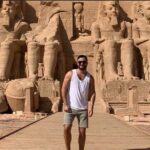
If the tour has one “big wow” moment, it’s Abu Simbel. The day is built around an early private pickup so you can arrive in the morning and still enjoy the site calmly. The rock-cut temples here are famous for their scale and design, including the story of King Ramesses II and Queen Nefertari.
This day is also a test of how the rest of your trip pacing will feel. Abu Simbel is a long outing, and the return puts you back on the ship by around noon for lunch before sailing toward Kom Ombo. That timing is smart because it limits how much of your day gets eaten by transit and keeps the cruise rhythm intact.
Important practical note: entrance tickets for Abu Simbel are listed as not included. Still, even with tickets to plan for, the day has good value because you’re not doing it as an expensive standalone excursion—you’re folding it into the cruise, with guides and transfers handled.
Kom Ombo and Edfu: temple days with a real sense of variety
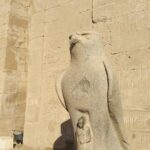
After Abu Simbel, the cruise keeps moving and the sights keep changing. Kom Ombo is a great example of that variety. You arrive in Kom Ombo city to visit the dual temple, tied to Sobek (the crocodile god) and Horus (the falcon god). It’s one of those places where your guide can help you spot how the iconography connects to the beliefs of different eras.
Back onboard, you continue sailing toward Edfu for overnight. Even without being a history geek, this part works because you’re getting a “temples today” day, then a “rest and sail” evening. That mix prevents fatigue from piling up.
Then Edfu brings the contrast. On the next day you visit the Temple of Horus, often described as one of the best-preserved Egyptian temples. A fun logistics detail: you ride a horse carriage with your guide to reach the temple. It’s not just charm—it’s also a break from constant walking, which helps you save energy for actually enjoying the carvings once you arrive.
Also on the move: you cross the Esna Lock and spend time sailing along the Nile. That’s the cruise advantage again—there’s a built-in “in-between” window where you can watch the river activity and let the day’s sights settle.
Luxor East Bank temples and your night of performances
Luxor is where the East Bank feels like a whole living museum zone: layers of ancient Egypt plus later religious and cultural influence. Your arrival is late in the afternoon, so the timing is designed for a golden-hour feel without making you rush through everything on arrival.
You head to Luxor Temple on the East Bank, and the itinerary lists admission as free for that stop. Then dinner happens onboard, followed by a belly dancing show, and you overnight in Luxor. This is another place where the tour’s “balanced” setup shows. You get guided viewing time, then you get a structured evening that doesn’t require finding nightlife on your own.
One more bonus if your schedule lines up: if you dock early enough (around 3:00–3:30 pm), you may have a chance to visit both Karnak and Luxor Temples. That can turn an already-strong East Bank day into a two-temple win without adding another full transport day.
If you hate feeling like you’re running through sites, this afternoon approach is a relief. It gives you time to enjoy, not just collect stamps.
Sunrise hot air balloon and the West Bank big three (plus the photo stop)
Day four starts before sunrise—around 5:00 am pickup—for the hot air balloon flight over Luxor’s West Bank. This is the kind of add-on that changes how you understand the whole area. You’re seeing the “open air museum city” from above, with temples and mountains laid out below while the sky lights up.
Two practical cautions here: the flight ticket is listed as not included, and it starts early. If you’re the type who needs sleep to enjoy a day of walking, plan your evenings carefully and be ready for the morning alarm.
After breakfast and check-out, the rest of your West Bank plan focuses on New Kingdom tombs and royal mortuary temples.
First is the Valley of the Kings, where pharaohs carved tombs in the mountains to protect their mummies and treasures. This stop works best with a guide who can point out why the tomb locations and layouts mattered. If you like asking questions, this is the day for it.
Next is Temple of Hatshepsut at Deir el Bahari, the mortuary temple of Hatshepsut. The storyline here is important: you’ll learn about Hatshepsut and her relationship to her nephew, and how that history shaped her reign and how she wanted to be remembered.
Then you end the West Bank touring with a photo stop in front of the Colossi of Memnon. Even if you’ve seen pictures before, standing near these statues usually hits differently because you can feel their size and stillness in person.
Lunch is mentioned as optional at a local restaurant, so you’re not trapped with a set meal if you’d rather keep the day moving.
Karnak Temple timing: how to squeeze more East Bank magic
Karnak is the final major temple stop on the itinerary and it’s a big one: it’s described as the largest temple built through about 2,000 years, covering around 63 acres. Your time there is planned for about two hours, with photos between huge pillars and obelisks.
The main variable is timing. You get transferred back to Luxor and then head to Luxor Temple or Karnak depending on your earlier arrival window. If you dock early on the previous day, you might see more temples; if not, Karnak becomes your “big finish” East Bank stop.
Either way, I’d plan your photo priorities ahead of time: Karnak is huge, so having a few must-shots in mind helps you enjoy the visit instead of trying to capture everything.
Price and value: what you’re really paying for at $1,200
At $1,200 per person, this isn’t a bargain cruise. It is, however, one of those packages where the “value” comes from stacking costs you’d otherwise face separately: a 3-night 5-star Nile cruise, cabin accommodations, onboard meals, qualified Egyptology guidance, private licensed drivers, and door-to-door transfers from Aswan and onward from Luxor.
Entrance tickets are the main extra cost you should plan for. Some sites are listed as free (like the High Dam and Luxor Temple), but others are explicitly not included. That means your total spending depends on what you choose to purchase on the ground.
Where it really feels worth it is in the guide quality and the pacing. Past guide experiences highlighted people like Mena and Rady and Mina, with mentions of humor, room for questions, and even photo help. That matters because at these sites, a good guide can turn a long day into an actually understandable day.
If your priority is to see Abu Simbel plus both East and West Bank temples in a few days, while still getting ship comfort and meals built in, this price starts to make sense.
Who this Nile cruise fits best (and who should tweak expectations)
This tour is a great match if you want major sights without the stress of planning each transport segment. It’s also a smart choice if you like history you can actually follow, since you get guided visits from a qualified Egyptology guide rather than a generic tour script.
It’s also good if you want a private format—your group participates only. That typically makes the day feel more personal, especially when it comes to timing and photo stops.
One more practical fit check: the tour asks for moderate physical fitness. You’ll be doing temple walking, and the balloon day plus West Bank sites is not a “sit on a bus all day” itinerary.
If you’re the type who hates early mornings, you’ll want to think hard about whether the balloon’s early pickup is worth it for you. For most people, that’s the crown jewel. For sleep lovers, it can be the trade-off.
Should you book this Aswan to Luxor cruise with hot air balloon?
I’d book it if your top goals are a comfortable Nile base, guided temple time on both banks, and the one trip day that feels different from every other Egypt itinerary—the sunrise balloon.
I would hesitate if you don’t want to budget for entrance tickets on top of the cruise price, or if early mornings are a deal breaker. You’ll also want to be prepared for a day that combines balloon, tombs, and major mortuary temples in one full push.
If you want the most satisfying way to connect Aswan’s Nile story to Luxor’s temple world, this is a strong plan.
FAQ
How long is the cruise from Aswan to Luxor with the balloon?
It’s listed as 3 nights and about 4 days total.
What pickup and transfers are included?
Pickup is offered in Aswan from the airport, train station, or your hotel, using an air-conditioned van. In Luxor, you’ll be transferred to your hotel, airport, or railway station.
Are meals included during the cruise?
Yes. The itinerary includes breakfast (4), lunch (3), and dinner (3).
Are entrance tickets included?
Entrance tickets are generally not included. Some sites are marked as free admission on the itinerary, but you should expect to pay for most entrances. The hot air balloon flight ticket is also listed as not included.
What does the hot air balloon experience include?
A sunrise hot air balloon is included in the plan, with pickup around 5:00 am. The admission ticket for the balloon flight is not included.
Which Luxor sites are covered on the East and West Bank?
On the East Bank you visit Luxor Temple and possibly Karnak depending on dock time. On the West Bank you visit the Valley of the Kings and the Temple of Hatshepsut at Deir el Bahari, with a photo stop at the Colossi of Memnon.
Is this tour private?
Yes. It’s described as a private tour/activity where only your group participates.
You Might Also Enjoy



More Tour Reviews in Aswan
- 4-Days Nile Cruise From Aswan To Luxor including Abu Simbel and Hot Air Balloon
★ 5.0 · 3,142 reviews