REVIEW · LUXOR
5-Day Nile Cruise to Aswan from Luxor with Hot Air Balloon Ride
Book on Viator →Operated by Nice tours · Bookable on Viator
Waking up before sunrise changes the whole trip. This 5-day Luxor-to-Aswan cruise pairs a hot air balloon ride with guided temples and a real, easy rhythm onboard as you sail south.
I particularly liked the way the schedule hits the big classics fast: Karnak, the Valley of the Kings, and then the Aswan highlights that many people only see on day trips.
The main thing to keep in mind: balloon rides can be affected by weather (one guest couldn’t fly due to bad conditions), and you’ll also face some early alarms—Abu Simbel starts around 4am. On top of that, temple entrance fees and drinks aren’t included.
In This Review
- Key highlights before you go
- Karnak and Luxor Temple on Day 1, plus a Felucca breather
- Hot Air Balloon to the West Bank: Kings, Hatshepsut, and Memnon
- Edfu and Kom Ombo on the Nile: two temple styles in one day
- Aswan classics: High Dam, Unfinished Obelisk, and Philae
- Abu Simbel at 4am: worth the early wake-up
- Cruise life on a 5-star ship: meals, cabin, and timing
- Price, entrance fees, and what makes this good value
- Who this trip suits (and who should pick something else)
- Should You Book This Luxor-to-Aswan Cruise?
- FAQ
- Is the hot air balloon ride included?
- What entrance costs should I expect?
- What’s included in the $600 per person price?
- Where are you picked up and dropped off?
- Do I need to bring a meal for early starts?
- What time does Abu Simbel start, and when do you return to Aswan?
- Is this tour private?
- Are drinks included on the cruise and during the day?
- What’s the cancellation policy?
Key highlights before you go
- Sunrise hot air balloon with an early pickup (plan for a cold-ish start)
- East Bank opener: Karnak + Luxor Temple, then a relaxing felucca look at the Nile
- West Bank temple sweep: Valley of the Kings, Hatshepsut at Deir el Bahari, Colossi of Memnon
- Edfu + Kom Ombo in one day, including the double-temple setup for Sobek and Horus
- Aswan essentials: High Dam, Unfinished Obelisk, and Philae
- Abu Simbel at 4am with a breakfast box and a full round trip back to Aswan by mid-afternoon
Karnak and Luxor Temple on Day 1, plus a Felucca breather
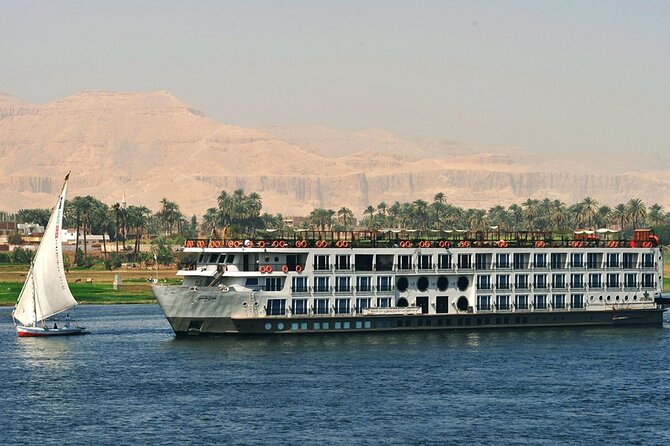
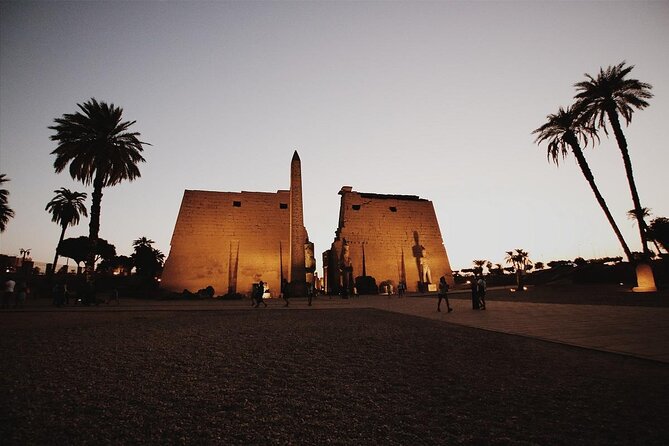
Day 1 starts with pickup from your Luxor accommodation. You’ll meet a professional Egyptologist and head straight to Karnak, one of Egypt’s most important temple complexes. It wasn’t just one temple—it was built as a cult temple dedicated to Amun, Mut, and Khon, and it’s described as the largest religious building ever constructed. Translation: you’ll spend time staring upward. A lot.
Karnak is also where having an Egyptologist matters. Without guidance, it’s easy to see walls and columns. With a guide, the carvings start to feel like a story—who was honored, why it was built, and how the complex functioned. The tour block is about 2 hours, so you’ll cover the main sights without feeling like you’re stuck for the entire day.
Next comes Luxor Temple for a shorter stop (about 30 minutes). Luxor Temple sits in the middle of modern Luxor, so it has that extra layer of contrast: ancient stone in a living city. You get time to see why it’s considered one of the most beautiful temples still standing, without rushing past everything.
Then you shift gears with a felucca ride—short, calming, and perfectly timed to cool down after the heavy stone-and-sun day. This is the part I’d keep even if everything else got changed. It gives your brain a reset, and it’s a nice reminder that the cruise isn’t just transport. It’s the point.
Practical note: entrance tickets aren’t included, so plan for that cost before you arrive.
You can also read our reviews of more tours and experiences in Luxor.


Hot Air Balloon to the West Bank: Kings, Hatshepsut, and Memnon
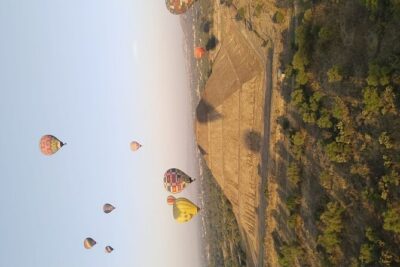
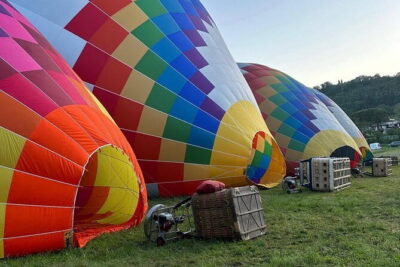
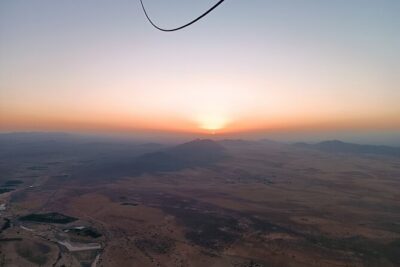
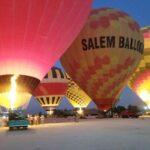
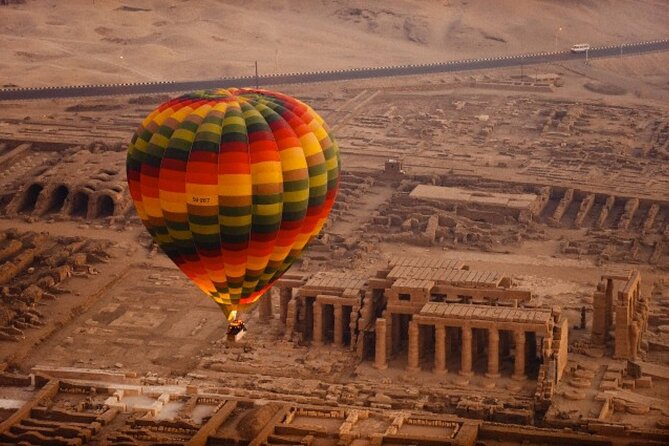
Day 2 is built around a very early start for the hot air balloon ride. The tour description even suggests a strategy: ask your hotel receptionist for a breakfast box. Do it. It’s one of those small moves that makes a long morning feel doable instead of miserable.
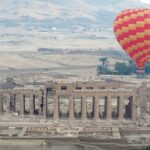
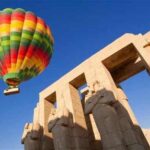
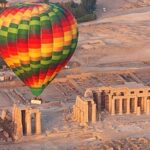
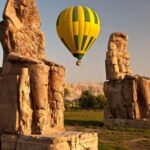
Balloon rides fly on a schedule set by wind and conditions, not by your itinerary. The experience can be canceled if weather doesn’t cooperate, and that’s worth remembering if balloon time is a must-do for you. If the balloon flies, it’s the kind of moment that makes the rest of the trip feel more dramatic—because you’ve already seen the Nile from above, not just from the boat deck.
After the balloon, you’ll head to the West Bank with your driver and professional Egyptologist waiting for you. This is a classic trio, and it works because each stop has a different kind of meaning.
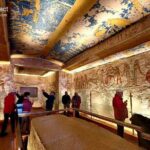
First up: the Valley of the Kings. This is the royal burial ground used in the New Kingdom period, and the tour specifically calls out pharaohs such as Tutankhamun, Seti I, and Ramses II. You also get the bigger picture—queens, high priests, and other elites were buried here too. The stop is about 1 hour, which is enough to orient yourself and understand what you’re looking at without getting lost in details.
Then you go to the Temple of Hatshepsut at Deir el Bahari. Hatshepsut’s story is part politics, part legacy-building, and part architecture. The tour highlights how she tried to strengthen her public image and immortalize her name through the mortuary temple—so you’re not just touring a structure. You’re reading a message carved into stone.
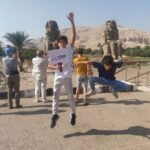
Finally, you stop at the Colossi of Memnon. It’s a quick stop (about 30 minutes), but it’s still useful because it gives you the scale and scene-setting for the area around Thebes. You then return to the ship for lunch onboard.
And timing matters here: the ship departs from Luxor at 2 pm. That means your morning is packed, but it’s packed with purpose. You’re using the time before the sail south to cover the West Bank highlights efficiently.
Edfu and Kom Ombo on the Nile: two temple styles in one day
Day 3 moves you beyond Luxor into a temple day that feels different from the earlier ones. You’ll head with the group to visit Edfu temple in the morning, then Kom Ombo in the afternoon. The stops are about 1 hour each.
Edfu’s appeal is partly how well it survived. The description notes it remained buried under layers of settlement debris for millennia, which is why so many architectural and decorative elements endured. That changes what you’ll notice. You’ll likely see clearer details and more intact surfaces than at sites that weathered harder over time.
Edfu also brings a strong sense of order. The temple layout and decoration give you a good feeling for ancient Egyptian religious thinking—especially if your Egyptologist is good at explaining the symbolism rather than just reciting dates.
Kom Ombo follows, and it’s a great contrast: it’s a double temple. One part is dedicated to Sobek, the crocodile god; the other is dedicated to Horus, the falcon-headed god. This “two sides” setup is one reason Kom Ombo is memorable. You’re not seeing just one cult theme—you’re seeing how they were housed and honored in the same complex.
At each location, your guide meets you and explains what you’re looking at. In the reviews, a theme keeps showing up: guides who are patient, clear, and willing to answer questions tend to make the temples feel easier to understand. If you like having a human translator for the symbolism, this is the day you’ll appreciate it most.
Again: entrance tickets aren’t included.
Aswan classics: High Dam, Unfinished Obelisk, and Philae
Day 4 is Aswan in full, with stops that show both modern change and ancient ambition. The day starts in the morning with pickup from reception.
First: the Aswan High Dam. This isn’t one of the “pretty ruins” stops, and that’s exactly why it’s valuable. The tour explains that the High Dam helped reclaim desert land and supported agricultural development. So you’re seeing how Egypt’s geography and water management shape daily life today, not just ancient legend.
Next: the Unfinished Obelisk in the northern quarries. The description gets specific: nearly 42 meters long, with three sides completed, but without inscriptions. Even unfinished, it’s a practical lesson. You can see how stone was shaped and understand the scale of work it took before anything even got decorated.
Finally: Philae Temple. This is where the day turns more poetic. Philae is described as being in a beautiful setting with landscaped grounds, and your Egyptologist will walk you through stories and facts about ancient Egyptian lifestyle. It’s a good way to end an information-heavy day with something that feels like place, not just data.
You’ll return to the ship after this and enjoy lunch onboard, then relax. If you’re the type who gets temple-fatigued, this downtime is smart. It also sets you up for the next day’s early start.
Abu Simbel at 4am: worth the early wake-up
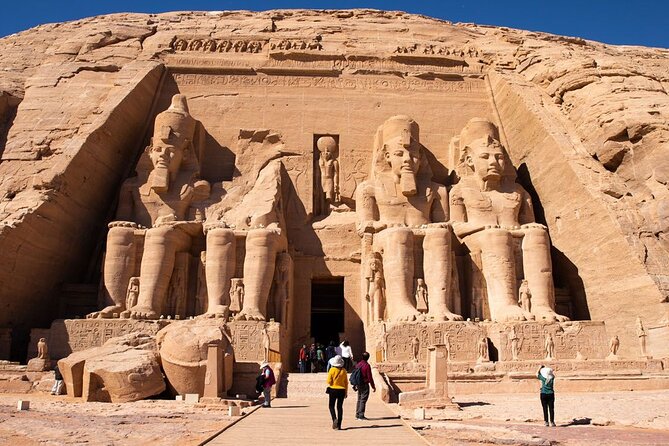
Day 5 starts very early—around 4 am. A driver picks you up with a group of people. You check out and leave your luggage at the reception, and you’re again advised to request a breakfast box from the receptionist.
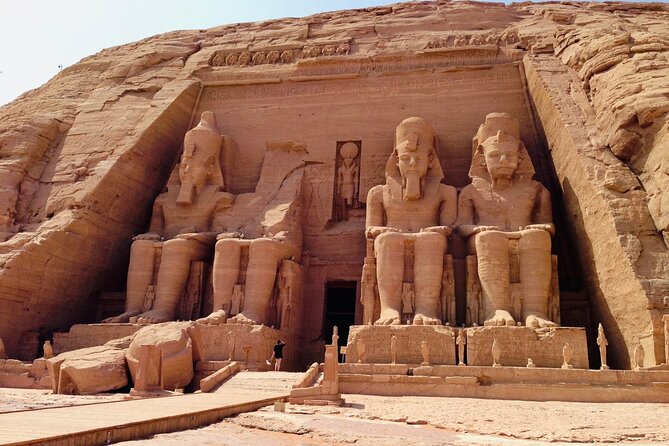
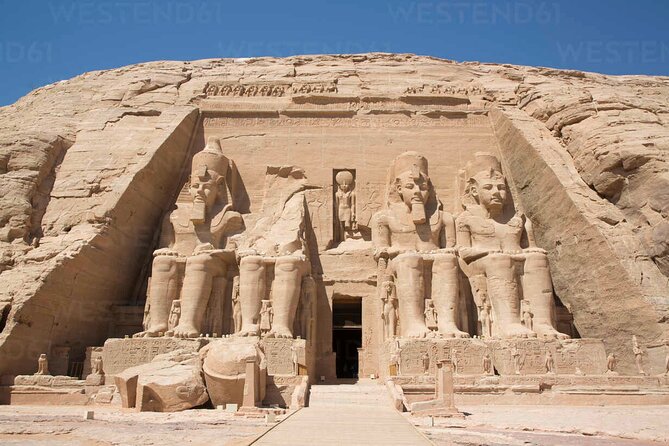
Then you ride to Abu Simbel. The tour indicates about 3 hours to reach the temples. Yes, it’s early. Yes, it’s a long drive. But Abu Simbel is one of those places that’s hard to reproduce with photos. It’s a scale-and-impact site, and your guide can help you read why it was built that way.
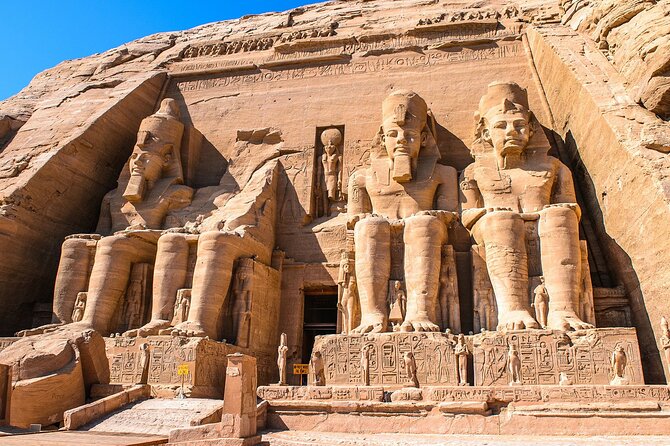
The temples are described as twin structures built to serve as lasting monuments to the king and his queen Nefertari. The tour also notes they commemorate his victory at the Battle of Kadesh and that Abu Simbel is the second largest temple in Egypt. You’ll spend about 4 hours on the visit, which is enough time to see the complex properly without feeling like you’re sprinting from wall to wall.
After the visit, you return to Aswan by around 2:30 pm to pick up luggage, and your driver drops you at your accommodation. In other words: it’s a big day, but it still ends with enough daylight for real life.
Quick survival tip: wear layers you can tolerate in a vehicle. Early mornings can feel colder than you expect, then the day warms up fast.



Cruise life on a 5-star ship: meals, cabin, and timing
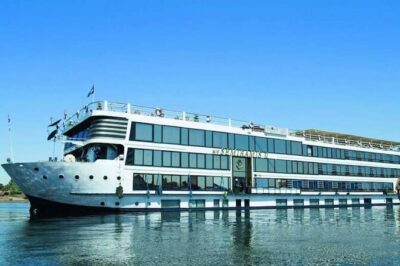
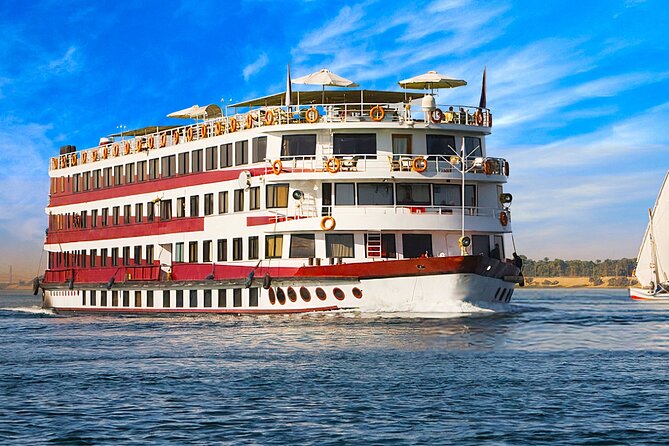
The cruise component is the glue that makes the whole trip feel smoother. You get 4 nights accommodation on a 5-star cruise with full-board, including breakfast (4), lunch (4), and dinner (4). Your cabin includes all facilities.
This matters because it prevents the constant check-in/check-out fatigue. You’re moving temples in the morning and learning in the afternoon, then returning to a comfortable base where meals are handled.
Transportation is by A/C vehicles. That’s not a small detail in Egypt, where heat can make any stop feel longer than it is. You also get a professional licensed driver, which helps with timing—especially on days like Day 2 (ship departure at 2 pm) and Day 5 (Abu Simbel logistics).
One small note: drinks—including water—aren’t included. On hot days, you’ll feel that quickly. If you hate hunting for bottles mid-walk, plan to budget a bit for water or drinks during the day.
The biggest advantage of cruise life here is the rhythm. You don’t just “see” things. You also have a chance to reset between concentrated sightseeing days.
Price, entrance fees, and what makes this good value
The price listed is $600 per person for the 5-day package. At that rate, the value isn’t just the cruise bed. It’s the combination: 5-star cabin, full-board meals, A/C transport, guided temple visits with an Egyptologist, and the included felucca ride.
But you should treat it as a “package plus extras,” not an all-in, magic-money scenario. Entrance fees are not included, and drinks aren’t included either. You can also add optional airport or train drop-off in Aswan for $20 if you need it.
So how do you judge value in real terms?
- If you were going to hire guides for Karnak, the Valley of the Kings, Hatshepsut, and Abu Simbel anyway, this format is competitive.
- If you dislike early starts, the balloon and Abu Simbel schedule can feel like a lot. In that case, the price might not feel as sweet, even if it’s “fair” on paper.
- If you enjoy explanations more than photo stops, the included Egyptologist time is where the money makes sense.
In short: this is a good value for people who want a guided, structured trip without piecing it together day by day.
Who this trip suits (and who should pick something else)
This cruise fits well if you want a strong hits-of-Egypt plan without making complicated connections.
You’ll likely enjoy it most if:
- you like guided explanations (the Egyptologist focus is built into each stop)
- you want a mix of East Bank, West Bank, and Aswan—not just one area
- you can handle early mornings, especially the 4 am Abu Simbel departure
- you want your transport handled via licensed driving and A/C vehicles
It might not be the best fit if:
- you’re not okay with balloon weather uncertainty
- you want lots of free, unscheduled time
- you hate paying additional entrance fees and daily drinks costs
Also, note the program describes the balloon and Abu Simbel pickup as involving group pickups, even though it’s positioned as a private activity for your group. Practically, that means you should expect some shared movement, even if your guide/explanation time is guided for your group.
Should You Book This Luxor-to-Aswan Cruise?
If your ideal Egypt trip includes a sunrise balloon moment, temple learning with a real Egyptologist, and a cruise that handles most of the logistics, I’d say this is a solid booking.
I’d especially recommend it to first-timers who want to hit the big names—Karnak, Valley of the Kings, Hatshepsut, Edfu, Kom Ombo, Philae, and Abu Simbel—without building a patchwork itinerary. Just go in with two smart expectations: entrance fees and drinks are extra, and early starts are part of the deal.
If you want, tell me your travel month and whether Abu Simbel is your top priority or the balloon is. I’ll suggest the best way to pace your time and what to budget for.
FAQ
Is the hot air balloon ride included?
Yes. The program includes a hot air balloon ride with an early-morning pickup. The day’s start also suggests asking for a breakfast box because it’s very early.
What entrance costs should I expect?
Entrance fees for the temples are not included in the price. The itinerary lists several sites where you’ll need tickets on arrival.
What’s included in the $600 per person price?
The package includes hotel pickup in Luxor, 4 nights on a 5-star cruise with full-board meals, your cabin, a professional English-speaking Egyptologist, felucca ride, A/C transportation, visits to all listed stops, and drop-off in Aswan.
Where are you picked up and dropped off?
Pickup is offered from your accommodation in Luxor, and you’re dropped off at your accommodation in Aswan. Airport or train station drop-off in Aswan is an extra $20.
Do I need to bring a meal for early starts?
For the very early mornings (including the balloon day and Abu Simbel day), the tour advises asking the receptionist to prepare a breakfast box.
What time does Abu Simbel start, and when do you return to Aswan?
Pickup is around 4am. After the visit, you return to Aswan at around 2:30pm.
Is this tour private?
It’s described as a private activity where only your group participates. However, the balloon ride and Abu Simbel pickup are described as involving a group of people for transportation.
Are drinks included on the cruise and during the day?
No. Drinks, including water, are not included.
What’s the cancellation policy?
You can cancel for a full refund if you cancel at least 24 hours before the experience’s start time. Free cancellation is offered up to 24 hours in advance.