REVIEW · LUXOR
5-Day Adventure Nile Cruise from Luxor to Aswan & Hot Air Balloon
Book on Viator →Operated by Egypt Rest Tours · Bookable on Viator
The Nile feels like a moving time machine, and this cruise leans hard into that. I like how much you cover without getting stuck in museum mode all day. You get a private-group style experience with an English-speaking Egyptology guide plus a dedicated vehicle for transfers, so the days stay organized and efficient.
Two things I really liked: the included temple visits in Luxor and Aswan, and the hot-air balloon morning that gives you the river valley from above. One consideration: Abu Simbel is a long day, and the itinerary is packed enough that you’ll want comfy shoes and a realistic pace.
In This Review
- Key highlights at a glance
- From Luxor to Aswan: A 5-Day Nile Rhythm That Actually Works
- 5 Cruise Comfort and Included Meals: The Simple Value Move
- Day 1 in Luxor: Luxor Temple and Karnak’s Scale Game
- Day 2: Hot-Air Balloon Over Luxor, Then the West Bank Big Names
- Day 3 Edfu and Kom Ombo: Two Temples, Two Different Personalities
- Day 4 in Aswan: Philae, High Dam Views, and the Unfinished Obelisk
- Day 5 Abu Simbel: The Long Day That Feels Worth It
- Price and Logistics: What You’re Getting for $1,300
- Who This Cruise Suits Best (and Who Might Be Happier Elsewhere)
- Should You Book This Luxor to Aswan Nile Cruise?
- FAQ
- What is the start time for the tour?
- How long is the experience?
- Are meals included in the price?
- Is pickup included?
- Are the hot-air balloon and temple admissions included?
- Is there a cancellation policy with a full refund?
Key highlights at a glance
- Hot-air balloon over Luxor with a 45-minute ride and included ticket
- English-speaking Egyptology guide plus meet-and-assist representatives
- Major temples included: Luxor, Karnak, Valley of the Kings, Edfu, Kom Ombo, Philae
- Full-board meals on board for four breakfasts, lunches, and dinners
- Aswan sights: High Dam and the Unfinished Obelisk stop
- Abu Simbel included for the biggest visual payoff on the route
From Luxor to Aswan: A 5-Day Nile Rhythm That Actually Works
This is the kind of Nile cruise that keeps your feet on the ground. You’re not just drifting and taking photos of passing banks. You’re doing temple days, guided stops, and one major morning activity that changes your whole perspective: a hot-air balloon ride over Luxor.
The route runs Luxor to Aswan across five days, with 4 nights aboard a 5-star Nile cruise ship. The ship is your base, and the shore days are built around the most famous sites along the way. If you like history but also like a plan you can follow, this style of itinerary makes sense.
One practical note I’d keep in mind: the days are structured with multiple stops, some inside big complexes. That’s great for value, but you’ll need to manage energy. Think sunscreen, water, and a willingness to walk. The cruise can feel like a sprint if you plan to treat it like a slow vacation.
You can also read our reviews of more tours and experiences in Luxor.


5 Cruise Comfort and Included Meals: The Simple Value Move
You’re paying for more than a cabin. The deal includes four breakfasts, four lunches, and four dinners on board (listed as FB basis). That matters because you don’t want to spend every day scanning menus, arguing about price, or getting stuck in a restaurant that isn’t great.
On a Nile cruise, food logistics can make or break the trip. Here, meals are included and scheduled around the sightseeing flow, so you’re less likely to lose time getting from site to site and then hunting for lunch. It also helps keep budgeting under control. Even if you buy bottled water or snacks outside the plan, the big-ticket meals are handled.
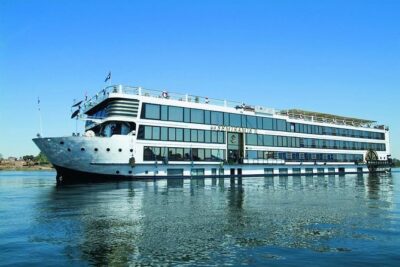
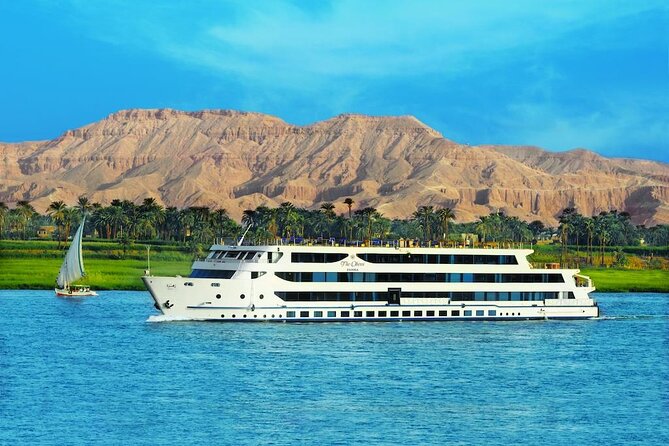
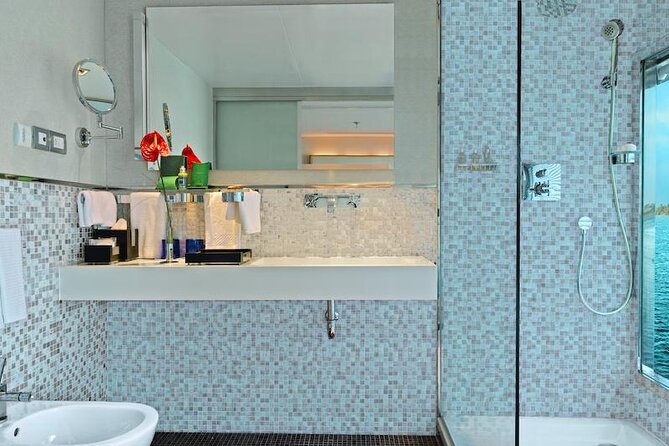
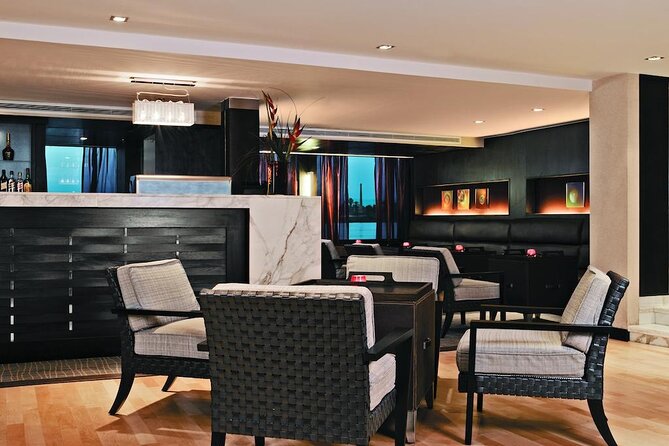
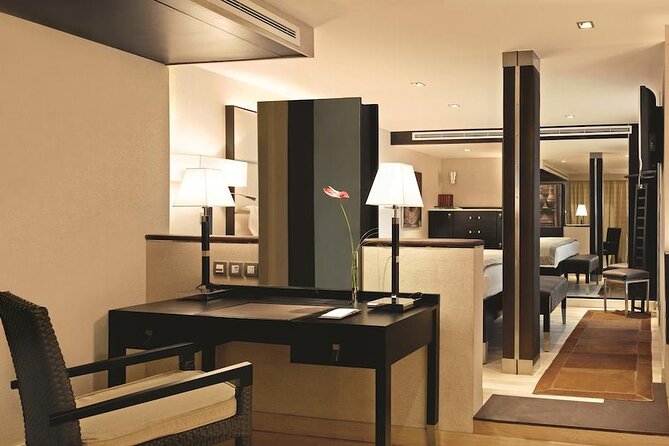
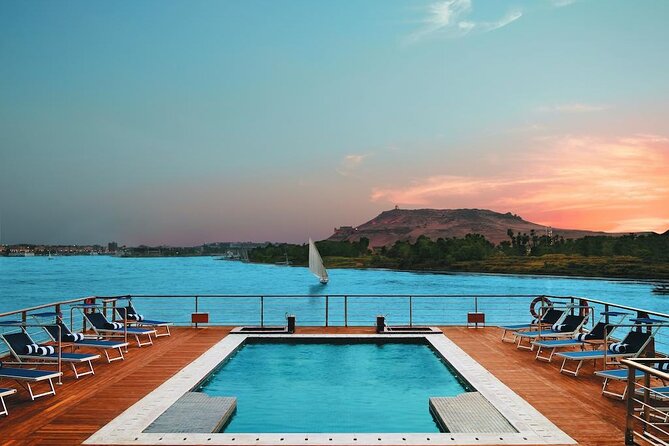
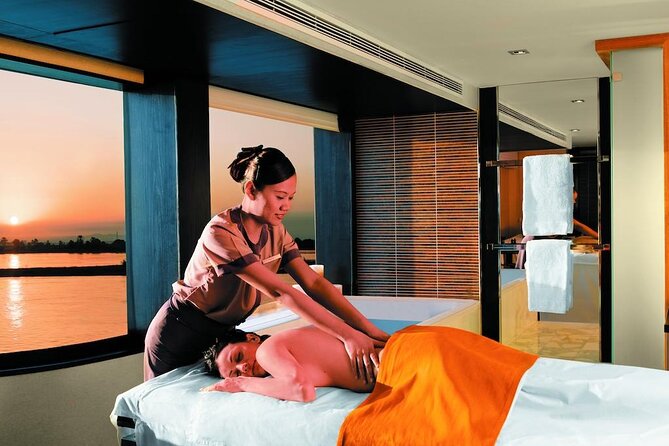
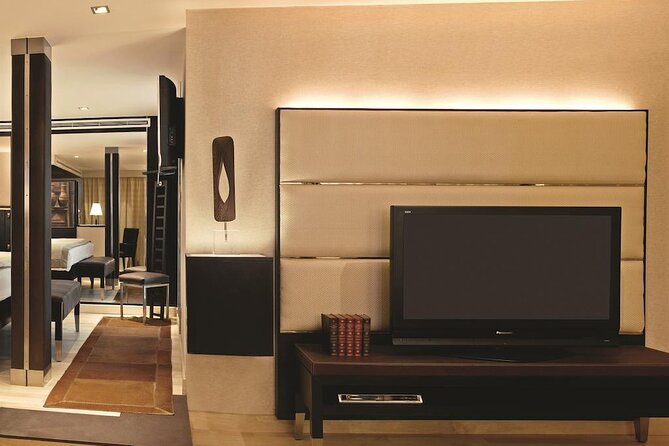
As for the ship itself, the tour is described as a deluxe 5-star cruise with spacious, clean rooms and excellent service in the feedback you provided. I’d still treat the onboard experience as “comfortable base, not luxury hotel for lounging all day.” You’re on the water, but the real show is what’s on the banks.
Day 1 in Luxor: Luxor Temple and Karnak’s Scale Game
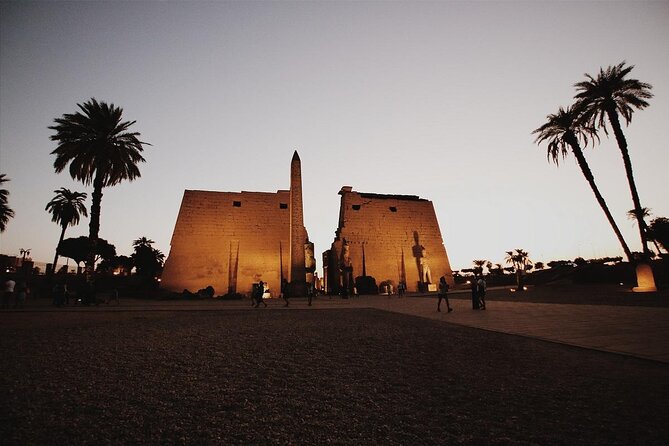
Luxor Temple is a strong opener because it hits you with the idea of Ancient Egypt as lived space, not just a pile of ruins. It’s on the eastern bank in the area that was once Thebes, built around 1400 BCE. You’ll be looking at a grand temple complex designed for ritual life, and it’s included with admission.
Then you move to Karnak, and that’s where the tour flexes its best trick: scale. Karnak is not one temple. It’s an enormous complex of temples, pylons, chapels, and related structures, built over many centuries. The construction started in the Middle Kingdom period (with major work later in the New Kingdom), and it even continued into the Ptolemaic era.
Karnak’s setting is also part of the experience. The area was a key religious site known as Ipet-isut, and it served as the main worship area for the Theban triad with Amun leading the way. When a guide explains that system, the carvings and layouts start to feel less random.
A downside to keep in mind: Karnak is big. Even with a guide, you can’t absorb everything in a single pass. If you get overwhelmed, focus on how the halls, pylons, and axes are arranged, then let the rest be part of the visual awe rather than a checklist.
Day 2: Hot-Air Balloon Over Luxor, Then the West Bank Big Names
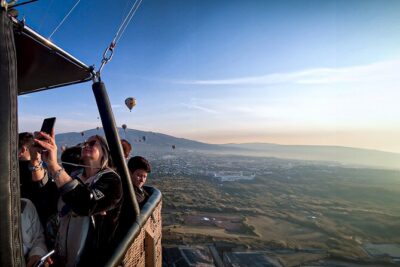
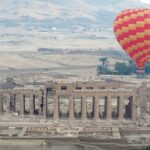
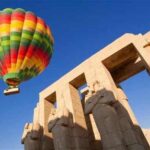
Day 2 starts with the highlight that many people book this cruise for: the hot-air balloon ride over Luxor. The ride is listed as 45 minutes, and the ticket is included. The description points to a morning viewpoint, with the city and ancient treasures looking sharp in soft early light. From above, Luxor makes more sense: the river becomes the spine, and the temples become anchors in the wider geography.
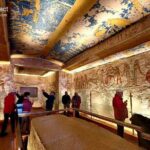
After the balloon, you head to the West Bank, starting with the Valley of the Kings. This is where rock-cut tombs were carved for pharaohs and influential nobles over a long period, from about the 16th to the 11th century BC. The setting is stark and dramatic, which makes the idea of the afterlife feel more grounded than you might expect. Admission is included.
Next is the Temple of Hatshepsut at Deir el Bahari. This one is special because it’s not just ruins; it’s a carefully designed mortuary temple with a reputation for engineering and architectural skill. Hatshepsut, Egypt’s famous female pharaoh, is tied to that achievement, and the guide can help you connect the design to the story.
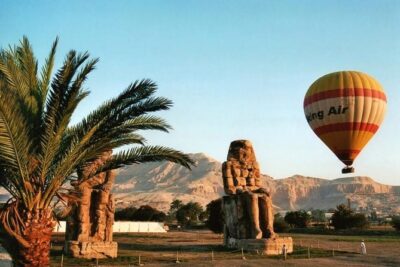
You finish with the Colossi of Memnon, two towering statues of Amenhotep III. They sit at the entrance area of the mortuary temple complex. Even if you only spend about 20 minutes here, it’s a strong visual punctuation mark after the more architectural Hatshepsut stop.
The possible drawback on this day is pace. You’ve got balloon time plus multiple major sites. If you’re sensitive to schedule changes or you don’t love walking, you’ll want to slow yourself down between stops. I’ve found the best way to enjoy days like this is to treat each site as a moment, not a sprint.
Day 3 Edfu and Kom Ombo: Two Temples, Two Different Personalities
Day 3 shifts from Luxor’s core to the next famous temple stops: Edfu (Temple of Horus) and Kom Ombo (Temple of Kom Ombo).
Edfu Temple is described as an ancient Egyptian sanctuary on the western bank in Edfu. It also has a history of being called Apollonos polis in Greek and Apollonopolis Magna in Latin, tied to Horus being equated with Apollo. In plain terms, this temple shows how Egypt’s religious sites kept their center while languages and outside influences changed around them.
Then you move to Kom Ombo, a unique double temple layout. Instead of only one religious focus, the design is split for two different sets of deities. The tour info points to a Ptolemaic foundation period (about 180 to 47 BC) and later Roman enhancements. That mix often makes the carvings and architecture feel layered rather than stuck in a single era.
The value on Day 3 is that these two temples feel like separate experiences. You don’t get bored repeating the same style. One day can make you tired of straight-line sightseeing, but this pairing keeps the mental gears turning.
If you care about details, keep your attention on the temple layout and the way the spaces guide movement. It’s one of those rare situations where the building design teaches you how people once practiced religion.




Day 4 in Aswan: Philae, High Dam Views, and the Unfinished Obelisk
Aswan’s day is built around three stops that feel different in tone: a rescued temple complex (Philae), modern engineering (the High Dam), and ancient stone craftsmanship (the Unfinished Obelisk).
Philae Temple sits in the reservoir area formed by the Aswan Low Dam. It’s also described as being downstream from the Aswan Dam and Lake Nasser. Historically, Philae was near the First Cataract and then became famous for how its temple complex ended up associated with water management changes. That makes the site feel like a bridge between ancient ritual space and modern intervention.
Then there’s a quick stop at the Aswan High Dam. It’s the largest embankment dam in the world in terms of scale, constructed between 1960 and 1970. Even if you only spend about 30 minutes here, it adds an important contrast to the day’s theme: ancient Egypt shaped by the Nile, and modern Egypt also shaped by it.
The Unfinished Obelisk is the surprise-maker. It’s in Aswan’s stone quarries and described as the largest known unfinished obelisk. It’s about craftsmanship, tools, and the reality that stonework can be halted midstream. The tour info also notes a study by Reginald Engelbach in 1922, which gives you a reason to think of this stop as research in stone, not just a photo stop.
The consideration here is that the day is a mix of temple, modern landmark, and quarry site. If you only want one type of experience—only ancient, only engineering—this day may split your attention. But if you like seeing how one river keeps shaping everything, it’s a strong combination.
Day 5 Abu Simbel: The Long Day That Feels Worth It
Abu Simbel is the kind of stop that turns a cruise into a once-in-a-lifetime memory. The complex includes two immense temples carved into rock, located near the Sudanese border, close to Lake Nasser. The route notes it’s about 230 kilometers southwest of Aswan, and the time block listed is 5 hours with admission included.
That distance is why Abu Simbel day feels different. It’s not just another stop where you stroll and move on. It’s an all-in commitment, built for payoff: you’re traveling far so you can see monumental temples shaped for visibility and power.
This is also the day where pacing matters most. Try to stay hydrated, keep your phone battery charged, and don’t plan to treat it like a quick sightseeing loop. You’ll want time to look carefully and then take photos without rushing.
If you’re traveling with kids, older adults, or anyone who gets uncomfortable with long drives, plan for breaks and bring layers. The tour itself doesn’t spell out comfort tips, but the sheer distance is your signal that you should prep your body for the ride.
Price and Logistics: What You’re Getting for $1,300
At $1,300 per person, this cruise isn’t cheap. But when you look at what’s included, it starts to make sense as a packaged deal rather than a random collection of tours.
Here’s the practical breakdown:
- 4 nights on a 5 Nile cruise (your lodging)
- Meet and assist by English-speaking representatives
- Egyptology English-speaking tour guide
- All transfers by air-conditioned vehicles with qualified drivers
- Meals included: breakfast, lunch, dinner for four days
- Admission tickets included for the listed sites (Luxor Temple, Karnak, Valley of the Kings, Hatshepsut, balloon, Edfu, Kom Ombo, Philae, High Dam, Unfinished Obelisk, Abu Simbel)
The big thing: your day-to-day friction is lowered. You’re not paying separately for transport every time you switch banks, and you’re not hunting for tickets. That’s where packaged Nile cruises often win, even when you feel the upfront cost.
Two details you should budget for:
- Tipping isn’t included for the guide, driver, cruise staff, etc.
- Cruise Wi-Fi is optional and not included.
I’d also read the weather and schedule rules in the spirit of reality. Hot-air balloon rides require good weather, so you’ll want a little flexibility in your planning mindset. If the balloon can’t happen, the tour states you’ll get offered an alternative date or a full refund, which is the right kind of safety net.
Who This Cruise Suits Best (and Who Might Be Happier Elsewhere)
This itinerary is a good match if you:
- Want major Egypt highlights in a single trip without day-by-day planning
- Like guided context, especially for temple symbolism and history
- Enjoy the rhythm of a cruise ship as your home base
- Want both a signature modern adventure moment (the balloon) and deep ancient stops
It might not be ideal if you:
- Prefer very slow travel with fewer stops
- Don’t like walking through big temple complexes
- Get cranky when days start early (balloon morning changes the tempo)
On the plus side, this tour is listed as “most travelers can participate,” and it has a minimum age of 2. That suggests it’s built for a wide range of visitors, not just a narrow niche.
If you care about getting along with your guide, this is where your choices can matter. The feedback you shared highlights coordinators and Egyptologist guides such as Yasser, and names like Ahmed and Mohammed appear in the comments about Egypt Rest Tours experiences. You can’t assume any single person will guide you on your departure, but it’s a hint that the company works with professional, English-speaking experts.
Should You Book This Luxor to Aswan Nile Cruise?
I’d book it if you want an organized path through Egypt’s most famous riverside monuments, with comfort handled and tickets covered. The value is strongest when you think about the full package: cruise nights, guide, transfers, meals, and admissions all rolled in. Add the hot-air balloon and Abu Simbel, and you get two “big ticket” experiences that are hard to replicate on your own in a stress-free way.
I’d hesitate only if you hate tight schedules or you’re hoping for downtime every day. This trip is built for seeing. You can rest on the ship, but you should come with the mindset that your days will be active.
If your ideal Egypt trip includes Luxor temples, a West Bank hits list, Edfu and Kom Ombo, Aswan’s river engineering and stone origins, plus a final Abu Simbel payoff—this one fits the bill.
FAQ
What is the start time for the tour?
The meeting point start time is listed as 12:00 pm.
How long is the experience?
It’s listed as 5 days (approx.), including 4 nights on board the Nile cruise.
Are meals included in the price?
Yes. The included details list lunch (4), dinner (4), and breakfast (4), based on FB basis.
Is pickup included?
Pickup is offered, and the tour includes meet and assist by English-speaking representatives.
Are the hot-air balloon and temple admissions included?
Yes. The hot-air balloon ticket is included, and admission tickets are listed as included for the temple and major site stops.
Is there a cancellation policy with a full refund?
Yes. Free cancellation is offered if you cancel up to 24 hours in advance of the experience start time for a full refund. The balloon also depends on good weather, and the tour states you’ll be offered another date or a full refund if it’s canceled due to poor weather.