REVIEW · LUXOR
4-Days 3-Nights Cruise From Luxor to Aswan including Hot Air Balloon&Abu Simbel
Book on Viator →Operated by Egypt Gift Tours · Bookable on Viator
One early-morning flight can change your whole Egypt trip. This Luxor-to-Aswan cruise packs the biggest Upper Nile sites into four days, with an Egyptology guide, three nights on the ship, and a hot-air balloon over Luxor. You also get the heavy hitter: Abu Simbel, tackled as a long day with an early start.
I especially like how much you get done without doing the logistics yourself. Meals are included on board, and the guide-led days keep you moving through Karnak, the Valley of the Kings, Edfu, and Kom Ombo without guesswork. In several departures, guides like Hossam Rashwan are noted for being both clear and fun, which matters when you’re surrounded by thousands of years of stone.
The main drawback is simple: it’s a busy, timed itinerary. Entrance fees are not included, and some days are long (Abu Simbel starts before dawn), so if you want a slow travel pace, you’ll need to plan your expectations.
Key moments that make this cruise worth your time
- Hot-air balloon flight at sunrise for about 30–40 minutes over the Luxor “open-air museum” zone
- Guided temple days led by a professional English-speaking Egyptology guide
- Karnak + Luxor Temple on day 1 to set the stakes right away
- West Bank trio: Valley of the Kings, Hatshepsut at Deir el-Bahari, and the Colossi of Memnon
- Edfu by horse carriage plus Kom Ombo’s double temple of Horus and Sobek
- Abu Simbel as a shared-group drive from Aswan with an early breakfast box
In This Review
- First day in Luxor: from airport pick-up to Karnak’s scale
- Karnak to Luxor Temple: why starting with two temples is smart
- The balloon morning: sunrise views and real comfort rules
- West Bank essentials: Valley of the Kings, Hatshepsut, and Memnon’s statues
- Edfu temple day: horse carriage transfer and a well-preserved classic
- Kom Ombo: the double temple of Horus and Sobek
- Abu Simbel: the 4:30 a.m. start that feels like a mission
- Philae Temple by boat and the end of your cruise era
- Price and value: what $722.50 includes, and what adds up later
- Comfort, cabins, and the cruise reality check
- Who should book this Luxor to Aswan cruise
- Should you book this tour?
- FAQ
- What’s included in the tour price?
- Are entrance fees included for Karnak, Valley of the Kings, and the temples?
- How long is the hot-air balloon ride, and when does it happen?
- What time does the Abu Simbel day start?
- How do we get to Philae Temple?
- Are there age or health limits for the balloon?
First day in Luxor: from airport pick-up to Karnak’s scale
Your tour starts with a meeting point setup that’s built for real-life arrivals. You can be met at Luxor Airport, a railway station, or your hotel, then transferred by air-conditioned van to your Nile cruise ship. Check-in is planned around noon for the cruise, and if your flight is early, the program can start sooner so you’re not waiting around the lobby.
After lunch onboard, you jump right into the first temple power punch: Karnak Temple. It’s not just one temple—it’s a massive complex built across centuries, spread over roughly 63 acres. When you’re standing there, you understand why people call it the largest temple. The big win here is pace and context: the Egyptology guide helps you see what you’re looking at instead of treating it like a pile of columns.
Later you visit Luxor Temple, where you’ll notice the layered story of ancient Egyptian, Christian, and Islamic features. You’ll also get your classic photo moments—obelisk lines and big statues—before returning to the ship for dinner and an overnight in Luxor.
What to consider: Karnak and Luxor Temple entrance fees are not included, so budget for tickets at some point during the trip. Also, because day 1 starts right away, you’ll want to arrive rested enough for walking and heat.
Karnak to Luxor Temple: why starting with two temples is smart
This is one of the few Nile cruises that wastes less time on “filler.” Going to Karnak first helps you understand scale, then Luxor Temple lands like a guided follow-up. Instead of bouncing between unrelated sites, you get a clear sense of why Luxor was a religious and political center.
Practical tip: if you’re the type who loves details, ask the guide to point out what’s original versus later additions. You’ll get more value out of the stone when you know what layer you’re seeing.
You can also read our reviews of more tours and experiences in Luxor.


The balloon morning: sunrise views and real comfort rules
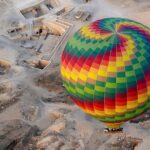
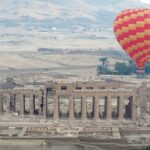
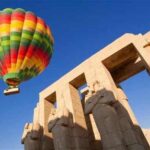
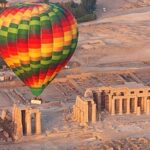
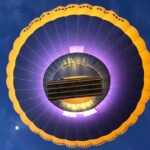
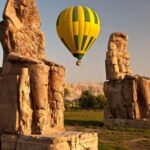
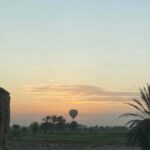
Day 2 begins with the trip’s most memorable sensory moment: the hot-air balloon flight. Pick-up is typically around 5:30 to 6:00 a.m., and the flight itself runs about 30–40 minutes. You’re over the west bank of Luxor, looking down at temples, mountains, and the grid of the Nile Valley as the sun lights up the sky.
This morning is why the cruise works even for people who think they’ve already seen Egypt photos. From the air, the temples and ruins stop looking like random landmarks and start reading like a connected map of history and geography.
A couple rules to know up front:
- If the balloon is canceled due to bad weather, you’ll get a refund.
- You can use your cellphone for pictures, but a camera isn’t allowed in the balloon basket.
- Pregnant women aren’t allowed, and children under 6 can’t take the balloon.
What to consider: balloon rides depend on weather, so build flexibility into your schedule. This is one of those “it’s worth it if it works” moments.
West Bank essentials: Valley of the Kings, Hatshepsut, and Memnon’s statues
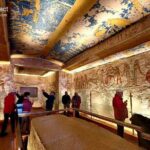
After breakfast, you head to the Valley of the Kings, part of the Theban Necropolis. This is where New Kingdom pharaohs carved tombs into the mountain rock. The key value isn’t just the tomb idea—it’s the setting. You’re walking in the same kind of terrain built to hide and protect sacred chambers.
Next you visit the Mortuary Temple of Queen Hatshepsut at El Deir el-Bahari. Even if you don’t memorize names of ancient rulers, the guide story is the difference. Hatshepsut was a female pharaoh, and the temple design supports the drama of her rule—steps, terraces, and a sense of place that feels made for storytelling.
You end with a photo stop at the Colossi of Memnon. These statues are huge and dramatic, and even a short stop feels like a reset after days full of indoor carving and passageways.
You return to the cruise by noon, then continue sailing down the Nile. In the afternoon you have tea on the sundeck, and you’ll sail onward to Edfu, with an overnight there.
What to consider: entrance fees for these sites are not included. Also, you’ll want comfortable shoes. The West Bank sites mean stairs, uneven ground, and enough walking that you’ll feel it later.
Edfu temple day: horse carriage transfer and a well-preserved classic
Day 3 balances “big names” with something a little different: Edfu. After breakfast, you take a horse carriage ride with your guide to visit the Temple of Horus. This temple is known for being one of the best preserved, and it shows. The walls and reliefs are easier to read when the craftsmanship is still intact.
Back onboard, you relax as the boat sails toward Kom Ombo. Lunch is on the ship, and you can spread out on the deck while the Nile slides by. This is the part where you get the real cruise rhythm: guided mornings, slower afternoons.
Kom Ombo: the double temple of Horus and Sobek
Later in the afternoon you stop at Kom Ombo for the Temple of Kom Ombo, known for its double design. You’ll see two sets of worship areas—one tied to Sobek, the crocodile god, and one to Horus, often shown with a falcon connection.
This temple helps you understand something Egypt does well: it’s rarely one story only. Even sacred spaces split and adapt based on who you ask and what you worship. The guide’s interpretation makes the differences feel more concrete than just labels on a sign.
Back onboard, dinner is included, and the ship hosts a folkloric party with cruise staff and tour guides.
What to consider: the day is paced as part of a sailing schedule. That’s normal on Nile cruises, but it means you won’t linger everywhere at your own speed.



Abu Simbel: the 4:30 a.m. start that feels like a mission
Day 4 is long, but it’s also the reason many people choose this cruise. You check out around 4:30 a.m. and leave luggage at the cruise reception. Then you get a breakfast box before heading out.
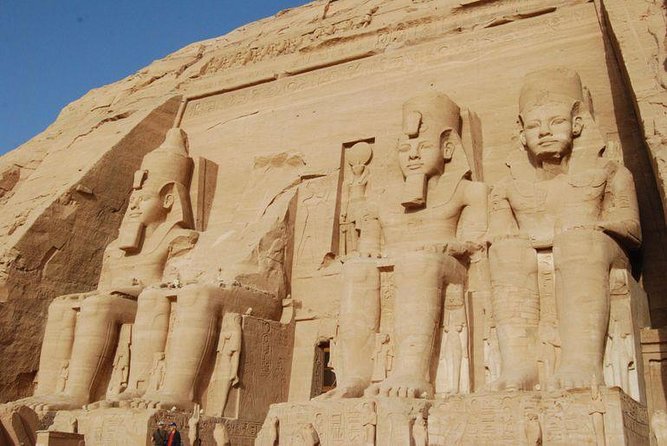
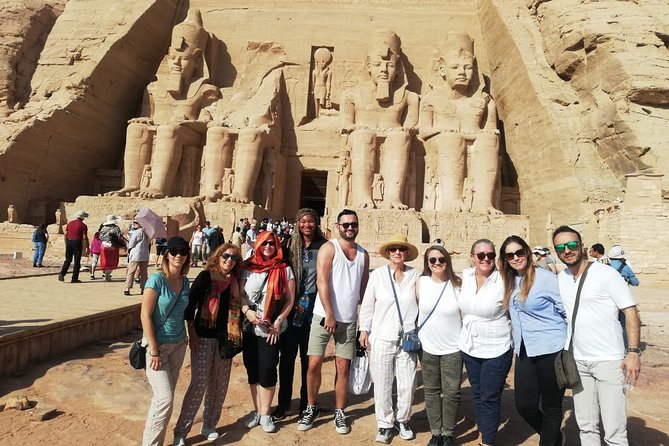
Your guide organizes the Abu Simbel trip as a shared small group. The drive is about 3 hours each way (at least as scheduled here), and you’re heading to the rock-cut temples built for Ramses II and Nefertari. When you arrive, you’re not just looking at a temple. You’re looking at a major engineering achievement—one carved into a cliff, designed with royal intent and monument-scale ambition.
The listing says the Abu Simbel day runs about 8 hours in total, and entrance fees are not included. After Abu Simbel, you get back to Aswan around 1:30 p.m. to pick up your luggage and head to the next stop.
What to consider: if you hate early starts, this is the one piece that will test you. But if you like seeing Egypt’s “wow” moments done efficiently with a guide, it’s also the day that justifies the whole trip.
Philae Temple by boat and the end of your cruise era
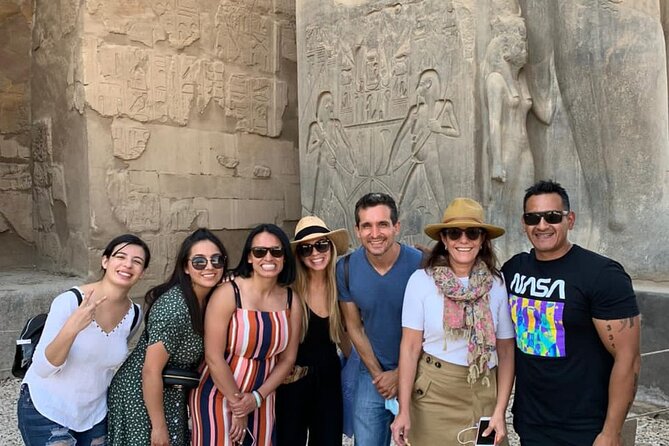
After Abu Simbel, you visit Philae Temple, dedicated to the goddess Isis. You’ll travel there using a small motorboat, and this boat transfer isn’t included in the tour cost. Plan on paying it in Egyptian money cash when you get there.
You also want to time your energy for this afternoon visit. You’ll likely be finishing a big emotional day: dawn start, long drive, then more walking and photos. The advantage is that Philae sits in a different visual world than the earlier desert-temple stops, so your eyes get a change of scenery.
After Philae, you’re transferred to your Aswan hotel or airport/railway station. The tour ends in Aswan city around 5 p.m., and an evening departure is recommended so you don’t feel rushed.
Price and value: what $722.50 includes, and what adds up later
At $722.50 per person, this cruise is priced to feel “all-in,” but you still need to track what’s covered.
Included:
- Three nights in a 5-star Nile cruise (full board: lunch on day 1 through breakfast on day 4)
- All meals onboard
- AC transfers and pick-up/drop-off
- A professional English-speaking Egyptology guide
- Hot-air balloon ride (30–40 minutes) over Luxor
- Abu Simbel day as a shared-group trip with an English guide
- Horse carriage ride in Edfu
- A folkloric party on the ship
Not included:
- Entrance fees for the sights
- Tipping for guide, drivers, and cruise crew
- Water or drinks on the cruise
- Wi-Fi on the cruise
- Motorboat to Philae Temple
- Personal expenses and optional tours
My practical take on value: the balloon and Abu Simbel are the biggest time and cost drivers on this route. When those are handled inside the package—especially Abu Simbel—you buy yourself convenience and reduced hassle. The trade-off is that entrance fees and drinks still add extra spending, so your “final cost” depends on ticket prices and what you choose to purchase onboard.
Also note the cruise capacity: the tour has a maximum of 20 travelers. That’s a nice balance. It’s small enough to feel personal, but large enough to keep the logistics smooth.
Comfort, cabins, and the cruise reality check
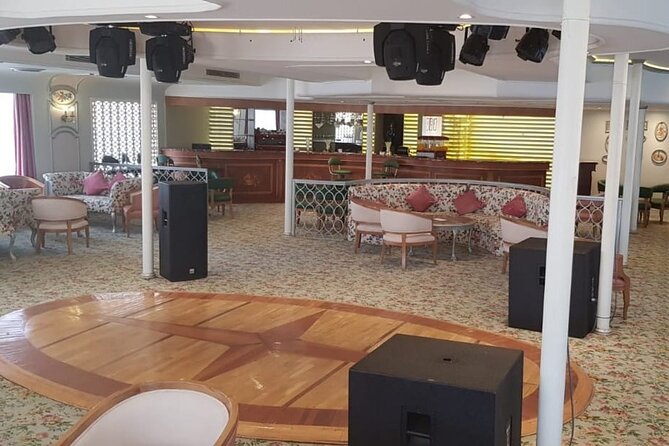
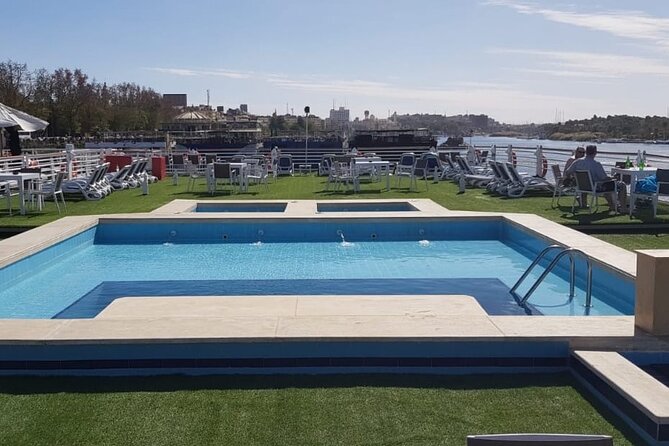
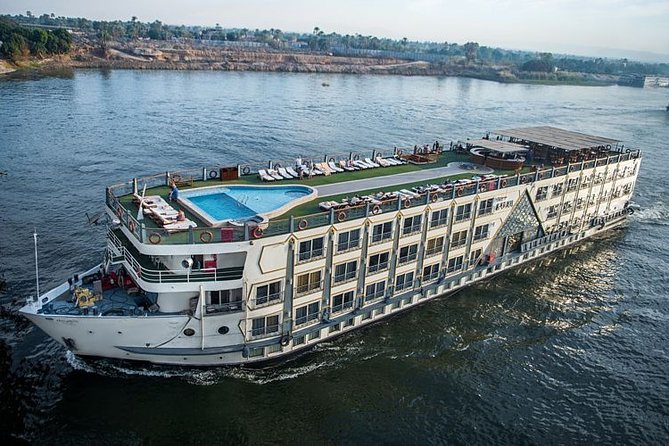
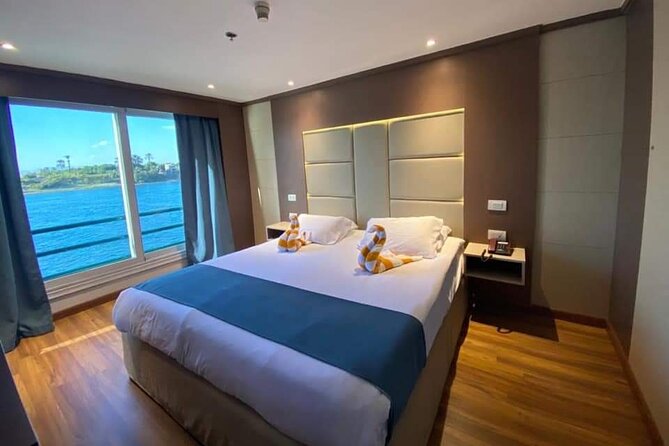
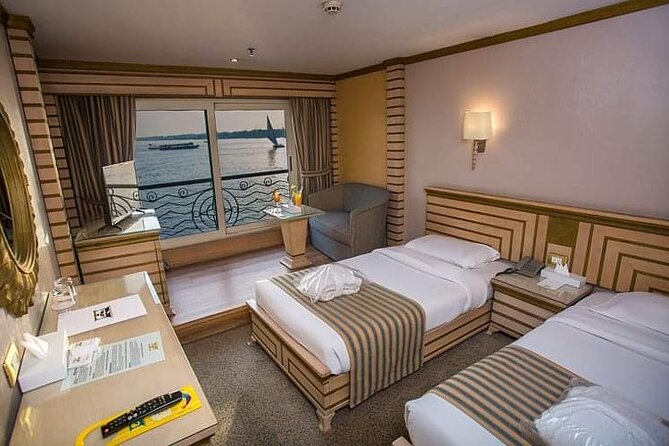
This cruise includes a 5-star ship, and the onboard setup is clearly part of the pitch. What I’d call the realistic reality check is that “5-star” can mean different things depending on cabin category and ship configuration. Some parts of the experience (like staff care and smooth operations) tend to matter more than whether your cabin is your favorite space in Egypt.
A few things you can plan around:
- Wifi isn’t included, so treat offline maps and saved info as your backup plan.
- Water or drinks aren’t included, so stock up earlier if you rely on it.
- Since the itinerary is active, your cabin is mostly for sleep and recharging.
If you like your travel slower, the pacing might feel intense at times. One schedule-focused comment you’ll hear about this type of cruise is that you’re always moving from one “must-see” to the next.
Who should book this Luxor to Aswan cruise
This is a strong fit if you want:
- A guided route through major Upper Egypt highlights
- The hot-air balloon experience over Luxor
- Abu Simbel handled in one organized day
- Included meals and transfers so you can focus on photos, temples, and stories
You might reconsider if:
- You dislike early mornings (Abu Simbel starts before dawn)
- You want long free hours with no structure
- You plan to spend most of your time only inside museums or only outside walking sites
It also helps if you’re comfortable paying entrance fees on the day, since that’s part of the model here.
Should you book this tour?
If you’re choosing between “do Luxor temples and skip the rest” versus “see the big Upper Nile highlights in one go,” I’d lean toward booking this. The combo of Karnak + West Bank giants + Edfu + Kom Ombo + Abu Simbel + balloon is the reason it has a strong reputation.
Just go in smart:
- Bring your patience for an active schedule.
- Budget extra for entrance fees, the Philae boat, and drinks.
- If you’re counting on the balloon, know weather controls it.
If those points fit your travel style, you’re likely to leave with a trip that feels full—not scattered.
FAQ
What’s included in the tour price?
The price covers three nights on a 5-star Nile cruise (starting with lunch and ending with breakfast), all transfers in an A/C vehicle, pickup and drop-off, an English-speaking Egyptology guide, the hot-air balloon ride over Luxor, the Abu Simbel shared-group trip, and all meals onboard (lunch, breakfast, and dinner on the included days).
Are entrance fees included for Karnak, Valley of the Kings, and the temples?
No. Entrance fees for the sightseeing stops are not included, so you’ll need to pay for those at the sites. The motorboat to Philae Temple is also not included.
How long is the hot-air balloon ride, and when does it happen?
The balloon ride is about 30 to 40 minutes, with pickup usually around 5:30 to 6:00 a.m. You fly over the west bank of Luxor at sunrise time.
What time does the Abu Simbel day start?
You check out around 4:30 a.m., leave luggage at the cruise reception, and receive a breakfast box before the drive to Abu Simbel. The Abu Simbel portion is scheduled as a long day, then you return to Aswan around 1:30 p.m.
How do we get to Philae Temple?
You visit Philae Temple by small motorboat, and the motorboat cost is not included. The payment is cash in Egyptian money, as stated.
Are there age or health limits for the balloon?
Yes. Children under 6 are not allowed for the balloon trip, and pregnant women are not allowed for the balloon ride.