Nile time, then temple time, then sky time. This 3-night cruise from Luxor to Aswan packs in Luxor’s West Bank sites, a hot air balloon flight, and a very early Abu Simbel day. It also keeps things lively on the river, with evening activities and lots of guided viewing.
I especially like how the trip blends major monuments with real context from an Egyptology guide. In the past, guides such as Ravi, Talaat, Mahmoud, and Mohamed Gobran have been praised for clear explanations and friendly pacing. I also like the variety of transport—motor boat, horse-and-carriage, coach transfers, and the balloon—so the scenery never gets stale.
One thing to watch: the package is strong on organization, but not on everything being “all-in.” Entrance fees aren’t included, and extra costs around drinks can come up, so I’d budget cash (and small bills for tipping) before you arrive.
In This Review
- Key things to know before you go
- Price and what it really buys you at $410 per person
- First stop: the Luxor West Bank boat ride and Carter House energy
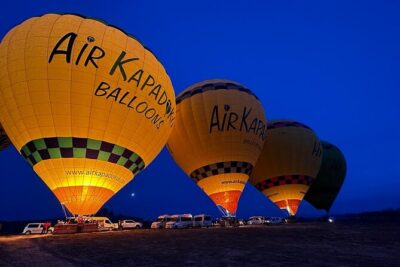
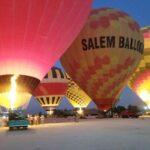
- The balloon day: why Luxor sky views are worth the early planning
- Edfu by horse-and-carriage: fun when it’s handled well, uncomfortable when it isn’t
- Kom Ombo sunset temple timing and what the Nile adds
- Abu Simbel at 5:00 am: the big-ticket effort day
- Cruise comfort, meals, and the part that can make or break the trip
- Transfers, group size, and how “small group” changes the vibe
- What you should budget for (so your trip feels smooth)
- Who this cruise fits best
- Should you book this Luxor to Aswan cruise?
- FAQ
- What’s included in the Luxor to Aswan cruise package?
- Are entrance fees included for temples and sightseeing?
- How long is the experience and how many nights are on the cruise?
- Is pickup offered?
- Can children ride the hot air balloon?
- What happens if the hot air balloon is canceled due to bad weather?
- Can I cancel and get a full refund?
Key things to know before you go
- Hot air balloon over Luxor’s UNESCO skyline at the start of the cruise rhythm, with big-window views of the temple zone
- Abu Simbel around 5:00 am, reached via early touring and a shared small-group format with an English-speaking guide
- Luxor West Bank lineup: Valley of the Kings area, Queen Hatshepsut, and Carter House time after a boat transfer
- Air-conditioned coach transfers that cut down on taxi hassle between sites
- Edfu + Kom Ombo temples handled with day touring, then evening temple viewing for Kom Ombo
- 3 nights on a 5-star cruise with full-board meals (lunch through breakfast), while some extras like drinks may cost extra
Price and what it really buys you at $410 per person
At $410 per person for a 3-night cruise, this can be a good value if you want a fast route through the highlights. You’re not paying only for the boat ride—you’re paying for coordinated transfers, an Egyptology guide, and major ticketed-day experiences like the balloon and Abu Simbel.
But here’s the catch: it’s not a “no extra spending” deal. Entrance fees are not included, and tipping is recommended. On top of that, some cruise guests report that water and drinks weren’t provided with meals in the way they expected, so you should plan to buy beverages onboard if you need them.
If you’re the type who hates logistics and wants your days to already be scheduled, this format tends to work well. If you’re trying to keep every expense strictly capped, you’ll want to set money aside for site entry fees and on-the-boat extras before you go.
You can also read our reviews of more tours and experiences in Luxor.


First stop: the Luxor West Bank boat ride and Carter House energy
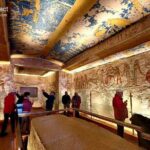
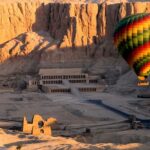
Day 1 starts with a boat hop to the West Bank of Luxor, which is a great way to break the day into two modes: quick river air, then full-on temple focus. The route is aimed at the core West Bank experience—Valley of the Kings area—before it moves into quieter, story-heavy temple time.
You’ll also get Queen Hatshepsut’s temple, presented as a major power story of early Egypt. Hatshepsut is one of those historical figures that sounds like a textbook name until you stand in the spaces built for her. The vibe here is less about photo stops and more about understanding why the place mattered.
Carter House is the other emotional anchor of the day. You’re seeing the home base of the archaeologist behind Tutankhamun’s discovery, and that context helps you connect the West Bank not just to monuments, but to the modern process of uncovering them.
A practical note: the West Bank days are active. You’ll be moving from boat to drive to sites, and it’s easy to underestimate how much walking you’ll do between viewpoints and entrances—bring comfortable shoes and take breaks when you need them.
The balloon day: why Luxor sky views are worth the early planning
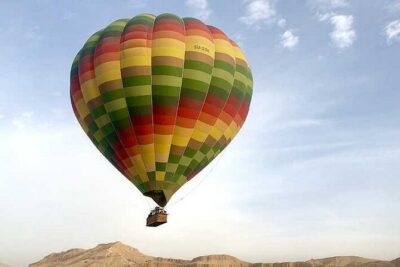
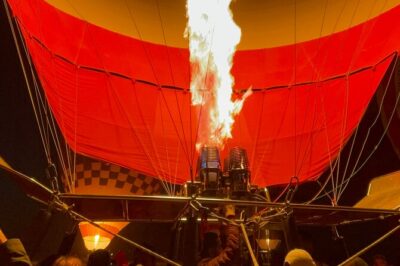
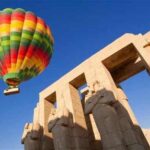
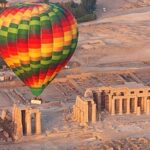
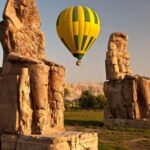
The most “wow” moment in this program is the hot air balloon over Luxor. The idea isn’t just the flight. It’s the timing—balloon first, then the major temple touring rhythm while your brain is still in awe mode.
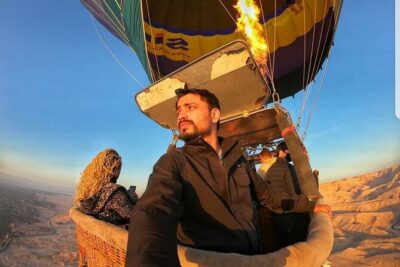
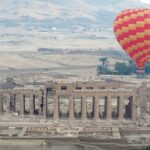
When you’re in the sky, Luxor’s temple zone becomes a connected map: terraces, corridors, and ruins that can look random from street level start to make sense as one big ceremonial area. You also get that priceless sense of scale—these aren’t small stones you can circle and forget. They’re monumental works placed with intention.
On the ground, the day continues with two key temple stops:
- Karnak Temple (the major crowd magnet, and also the most rewarding if you like the “how did they build this?” feeling)
- Luxor Temple afterwards, which helps anchor the story back to the living city side of ancient Thebes
Your cruise begins after the temple touring, so the balloon day acts like a launchpad. It’s a strong design for people who don’t want to waste time on Egypt that feels like guesswork.
Weather is a reality in balloon country. If the flight is canceled due to bad weather, you’ll receive a refund of $25 per person (per the tour conditions).
Edfu by horse-and-carriage: fun when it’s handled well, uncomfortable when it isn’t
After sailing resumes toward Esna and onward to Edfu, Day 3 starts with the Temple of Horus at Edfu. You’ll be transferred to the temple via traditional horse and carriage, then return to the cruise and continue sailing toward Kom Ombo.
This is one of those “it’s part of the tradition” experiences that can split people into two camps:
- If you’re fine with the sight of working animals, it can feel like a classic Egypt moment.
- If you’re uncomfortable with the condition of animals used for tourism, you may have a harder time enjoying it.
In real-world feedback, some people strongly disliked this section because the horses looked in poor condition. Others said there was an option to skip the horse ride and use a different vehicle when they didn’t want to ride.
My advice: decide your personal comfort level early. If animal welfare is a deal-breaker for you, be ready to ask about alternatives when you arrive at the transfer point.
Kom Ombo sunset temple timing and what the Nile adds
As you sail along the river, you get the “in-between” reward that a temple-heavy trip can miss: river scenery, slow time, and the feeling of traveling through an ancient geography that still has life.
Kom Ombo is timed for sunset, which helps with two things:
- The light looks better for photos.
- The crowd energy often shifts into a more contemplative mood.
The temple visit feels different after Edfu. Horus at Edfu is a big statement. Kom Ombo tends to feel more like a place you can slow down in, and the river approach helps your eyes adjust to the architecture.
Then the day ends with sailing toward Aswan, so you’re not spending all evening stuck on transport. It’s a clean flow: temple, then motion, then sleep.




Abu Simbel at 5:00 am: the big-ticket effort day
The Abu Simbel day starts around 5:00 am, and the early wake-up is part of why this stop feels special. You’re going when the day is still fresh, and the entire experience is built around reaching the temples before the crowds and heat fully set in.
Abu Simbel is the type of site that rewards context. It’s not just “big rocks.” It’s a reminder of how powerful the Egyptian state was and how much effort went into building monuments that still demand respect today.
After Abu Simbel, the program shifts back toward Aswan with a drive to Philae Island Temple by motor boat, plus time for Aswan’s High Dam visit.
This day has a lot moving parts, so you’ll want to keep your expectations realistic:
- Your morning is intense.
- Your afternoon still includes major stops.
- You’ll be tired by the end, especially if you’re sensitive to early mornings.
If you prefer a more relaxed pace, this is the hardest day to “take your time” on. But if you’re chasing the bucket-list hits in a limited number of days, it’s the payoff.
Cruise comfort, meals, and the part that can make or break the trip
This is a 5-star cruise with a cabin that includes basic facilities, and it’s set up for full-day convenience. Meals run from lunch on arrival to breakfast at the end, so you’re not constantly hunting for food between temples and boats.
The rooftop experience is often what people remember: sunbeds and space to watch the river slide past. At the same time, cabins can be hit-or-miss depending on the ship’s condition.
Some reported issues show up in real-world feedback:
- Smells or fumes from docking engines reported by some passengers
- Noise from boats tied nearby while your cruise is resting
- Rooms that felt aged, with minor maintenance problems reported in some cases
None of that changes the fact that the route is compelling, but it does affect how well you’ll sleep and relax. If you’re easily bothered by noise or odors, it’s worth choosing your expectations accordingly.
Food is described as generous and often enjoyable, but drink setup can be a friction point. If you care about water or specific beverages while you’re out in the heat, plan to buy them as needed rather than assume they’re included.
Transfers, group size, and how “small group” changes the vibe
The tour uses air-conditioned coach transfers to move between sites, plus motor boat sections where the river traffic requires it. That means less taxi stress and fewer “where do we go now?” moments.
Group size matters here. The program is described as a sharing small group to Abu Simbel, and the whole experience has a maximum of 15 travelers. Smaller groups usually translate into:
- faster boarding and fewer waiting games
- easier guidance while you’re moving through crowded temple areas
Still, this is a high-activity itinerary. Even with smaller group dynamics, you’ll be on the move a lot. Think of it like a guided highlights sprint, not a slow wander.
What you should budget for (so your trip feels smooth)
From the tour details, these are the big “plan ahead” items:
- Entrance fees for the sites in the program (not included)
- Tipping (recommended, not included)
- Drinks/water: not listed as included with meals in the tour details, and some feedback confirms that water may require extra purchases
If you want the “value” to feel real, this is the money you should assume you’ll spend even if your headline price is fixed. I’d also keep small bills because tipping tends to happen multiple times with different service hands.
In short: your $410 covers the core structure—boat, guide, transfers, and the balloon. Your day-to-day comfort will depend on what you add for entrances and small purchases.
Who this cruise fits best
This Nile cruise is a strong fit if you:
- want a fast, guided route through Luxor, Edfu, Kom Ombo, and Aswan
- care about the big icons like hot air balloon over Luxor and Abu Simbel more than slow pacing
- like having an Egyptology guide to translate what you’re seeing into something you can remember later
It’s also a decent choice if you’re traveling with someone who wants action-packed days, because the itinerary is designed to keep you busy without leaving you to figure things out.
If you prefer quiet downtime, fewer transfers, or you strongly dislike animal rides, you may want to reconsider or at least mentally prepare for that horse-and-carriage segment.
Should you book this Luxor to Aswan cruise?
I’d book it if your priority is: maximum ancient Egypt in a short time, with a serious “sky wow” moment. The combination of West Bank sites, Karnak/Luxor Temple, Edfu and Kom Ombo, plus Abu Simbel at dawn, is a lot of Egypt for one ticket price.
I would hesitate if your priority is a perfectly smooth, all-inclusive ship experience with no extra spending. Between entrance fees, tipping norms, and potential drink/water expectations, you’ll need to budget beyond the base price. And if animal welfare issues would ruin the day for you, treat the horse-and-carriage transfer as a key decision point before you’re already there.
If you can plan for the extras and you’re excited by an active schedule, this cruise can deliver exactly the Egypt-on-a-timeline experience that many first-timers are craving.
FAQ
What’s included in the Luxor to Aswan cruise package?
You get 3 nights on a 5-star cruise, meals starting with lunch and ending with breakfast, a cabin with facilities, an Egyptology tour guide, air-conditioned coach transfers, motor boat rides, horse and carriage, and a hot air balloon flight over Luxor. The tour also includes meet-and-assist support by English-speaking representatives and includes a sharing small group visit to Abu Simbel with an English-speaking tour guide.
Are entrance fees included for temples and sightseeing?
No. Entrance fees to the mentioned sightseeing are not included. Tipping is also not included (though it’s recommended).
How long is the experience and how many nights are on the cruise?
It’s listed as about 4 days with a 3-night cruise from Luxor to Aswan.
Is pickup offered?
Yes. Pickup is offered.
Can children ride the hot air balloon?
A child less than 6 years is not allowed for the balloon trip. Children 6 to 11 can participate when sharing with parents (with limits mentioned for room sharing).
What happens if the hot air balloon is canceled due to bad weather?
If the hot air balloon trip is canceled due to bad weather, you’ll be refunded $25 per person.
Can I cancel and get a full refund?
Yes. You can cancel up to 24 hours in advance for a full refund, following the local experience start time rules.