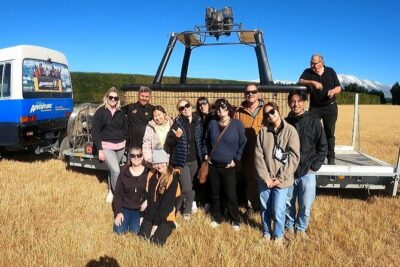
REVIEW · VILNIUS
Vilnius or Trakai: Hot Air Balloon Flight
Book on GetYourGuide →Operated by Ballooning.lt · Bookable on GetYourGuide
One hour above Lithuania turns into a half-day of memories. A balloon flight over Vilnius or Trakai gives you an unforgettable, slow view of landmarks you normally rush past. The setup is slick, the safety focus feels real, and the whole thing runs smoother than you’d expect. One drawback to plan around: balloon rides depend on wind and aviation permissions, so the flight can be changed or canceled at the last minute.
I like that this experience is built around comfort and value, not just the lift-off. You get hotel pickup and drop-off, a pre-flight briefing, and even a sparkling drink afterward, plus a certificate ceremony that makes the trip feel official. If you’re doing this in high season, expect early mornings or evenings, and if you hate heights, you’ll want to skip it.
In This Review
- Key Things to Know Before You Go
- Why a Balloon Over Vilnius or Trakai Feels Special
- Vilnius vs Trakai: Pick the View That Matches Your Trip
- The Vilnius option: more restrictions, big city views
- The Trakai option: easier winds, castle highlight
- The 3–4 Hour Flow: Pickup to Landing Without the Confusion
- Safety in Real Life: What the Pilot and Team Make Clear
- Weather and Aviation Rules: Why Your Flight May Change Last Minute
- What You’ll Actually See From Above
- Price and Value: Is $212 Worth It?
- Packing and Timing: Small Choices That Make the Flight Better
- Who Should Book, and Who Should Skip It
- Should You Book This Hot Air Balloon Flight?
- FAQ
- Where are the pickup locations?
- How long is the whole experience, and how long is the flight?
- Will the flight be over Vilnius or Trakai?
- Who can’t go on this balloon flight?
- What should I bring, and what’s not allowed?
- Is weather likely to affect the flight?
Key Things to Know Before You Go
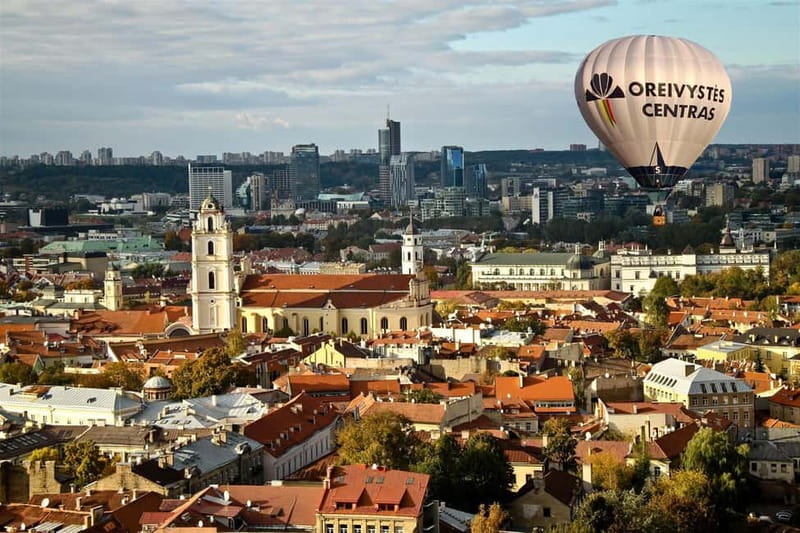
- Vilnius flight options depend on air traffic control and visibility, not just weather.
- Trakai is balloon-friendly in more wind conditions, with a shot at seeing Trakai Castle from above.
- Total time is 3–4 hours, even if the airborne part is about an hour.
- Small baskets hold about 6–16 people, so it feels like a shared adventure, not a crowd.
- Bring warm clothes and closed shoes—you’ll be outside for setup and recovery.
- The flight can be canceled close to take-off when safety rules don’t line up.
Why a Balloon Over Vilnius or Trakai Feels Special
A hot air balloon is not like flying in a plane. You don’t fight the air. You ride it. That’s the magic here: your view changes slowly, and your brain has time to actually register what you’re seeing. From the basket, Vilnius and Trakai look like real places you’ve been studying on a map—only now you get the angles, the spacing, and the “how did that river bend there?” moments.
This ride is also a strong fit for people who like “one big memory” moments without a complicated itinerary. You’re picked up from central spots in Vilnius, taken to the launch area, and then guided through the whole process with a professional team and a live guide. You’re not left guessing what to do next.
The experience doesn’t pretend to be a city tour. Instead, it gives you a clean, focused payoff: a bird’s-eye pass over the city or the castle, followed by a return to your pickup point. In other words, it’s simple. Just do the ballooning part well—and it sounds like the operator does.
You can also read our reviews of more tours and experiences in Vilnius.


Vilnius vs Trakai: Pick the View That Matches Your Trip
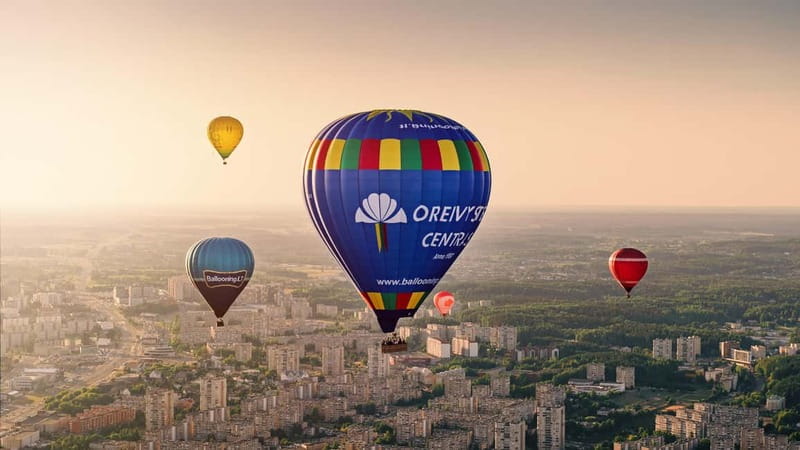
This flight is set up around the big decision: Vilnius or Trakai. And the real-world factor is wind direction, plus aviation permissions over Vilnius.
The Vilnius option: more restrictions, big city views
Vilnius has an airport with a lot of traffic, so balloon flights over the city aren’t always allowed. If winds come from the East, Southeast, or Southwest—and visibility is better than 5 km—flights over Vilnius are possible. Even then, air traffic control permission is required before take-off. If those boxes don’t get checked, you can end up with a cancellation at the last minute.
If your trip dates are flexible, this is less stressful. If you booked Vilnius specifically as your balloon plan, it’s worth having a Plan B day built into your schedule.
The Trakai option: easier winds, castle highlight
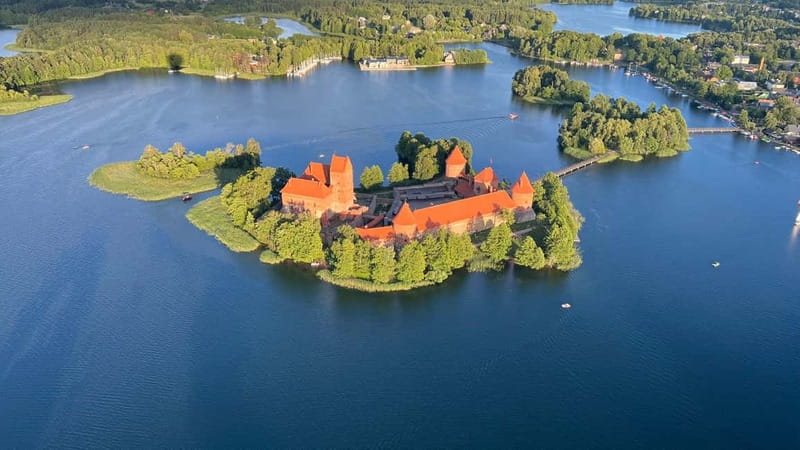
Trakai is often the easier win because balloon flights here can work in more wind directions. The operation typically rises from the Senoji Kibininė area over Lake Galvė or from near the Trakai bypass, then tries to move toward a view over Trakai Castle.
If you want a “storybook” aerial moment—castle silhouette above water-level surroundings—Trakai has the advantage. It’s also the place where the sights are more instantly recognizable. You see the castle. You also notice the lake and the way the town is tucked into its setting.
The 3–4 Hour Flow: Pickup to Landing Without the Confusion
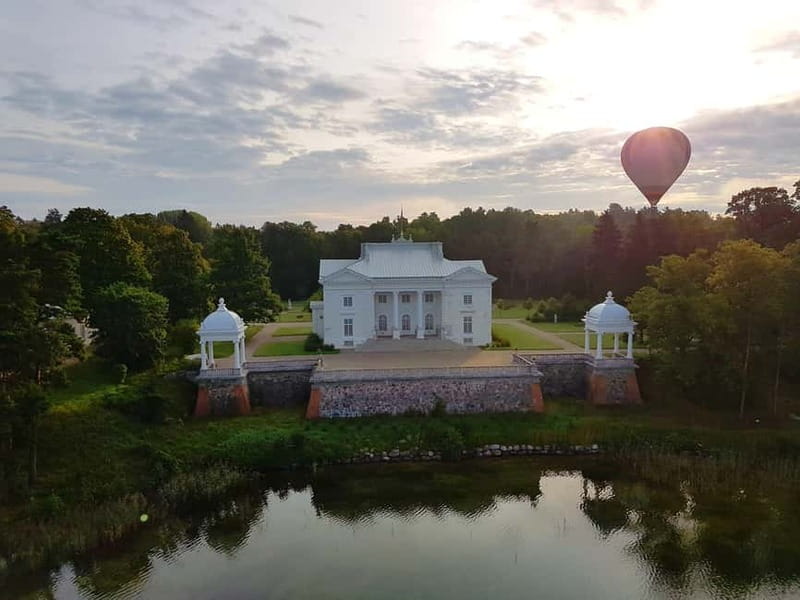
Even though the flight itself is usually about an hour, the whole outing lasts about 3–4 hours. That includes prep, instruction, inflation/handling time, the flight, packing up, the certificate moment, and getting back to your pickup area.
Here’s the rhythm you can expect, without the guesswork:
First, you’ll be collected by car. You get multiple pickup options in Vilnius—places like Vilnius Cathedral, Vingis Park, Baltasis tiltas, VšĮ Vilniaus rotušė, and the bus-station area routing used for groups. Exact timing and the meeting spot are confirmed by SMS or email, including the vehicle details and pilot name.
Next comes the pre-flight setup and briefing. You’ll get a safety briefing before anything lifts off, plus a pre-flight information session. This is where they tell you how to move around the balloon area, how the basket works, and what to listen for from the pilot and crew.
Then you fly. Depending on conditions, it’s typically about an hour in the air (with a possible range that can feel shorter or longer). After landing, there’s the recovery and packing phase—no rush, but you’ll be moving around the balloon setup equipment until it’s secure.
Finally, there’s the certificate award procedure, plus a small celebratory touch: a glass of sparkling drink after the flight. It’s a nice, grounded tradition that turns the experience from just a view into an earned little milestone.


Safety in Real Life: What the Pilot and Team Make Clear
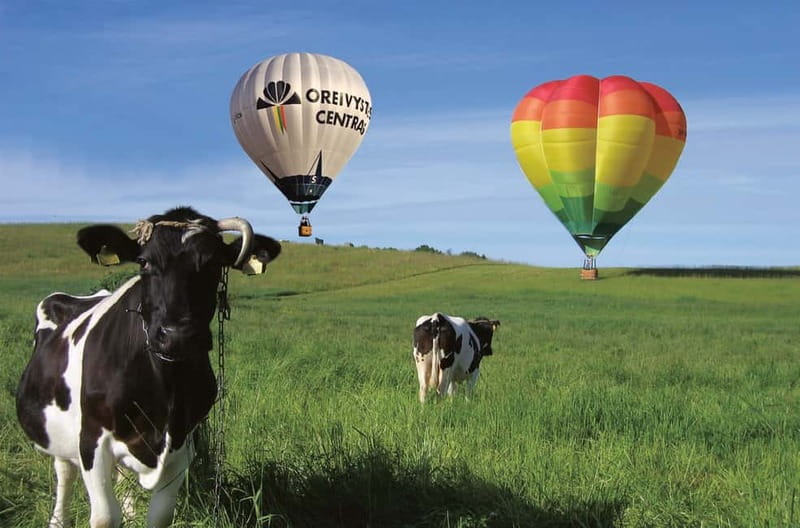
Hot air ballooning is romantic. But it’s also regulated and procedure-driven, and this operator leans hard into the practical side. You get safety briefing at the take-off area, and a professional pilot is in charge throughout. A friendly team helps with the balloon handling steps and the smooth transition from ground to basket.
What I’d pay attention to is how much of the experience is structured around safety moments, not just the photo ops. The balloon launch area briefing, the equipment preparation, and the way they run the schedule all matter because balloon flights depend on conditions that can change quickly—wind speed, visibility, cloudiness, rainfall, and, over Vilnius, air traffic control rules.
Also, you should expect the experience to feel different from other thrill activities. There’s no roaring engine and no sudden banking. The sensation is more about altitude and stillness, with slow motion aerial views instead of frantic surprises.
From the smaller group size—about 6–16 passengers per balloon—you’ll likely notice a calmer atmosphere. It’s easier to hear instructions, and you’re not packed shoulder-to-shoulder with strangers like on a big bus.
One last safety note: this activity is listed as not suitable for pregnant women, people with heart problems, and anyone afraid of heights. If those apply, don’t “maybe” it. Ballooning is not the time to test fear.
Weather and Aviation Rules: Why Your Flight May Change Last Minute
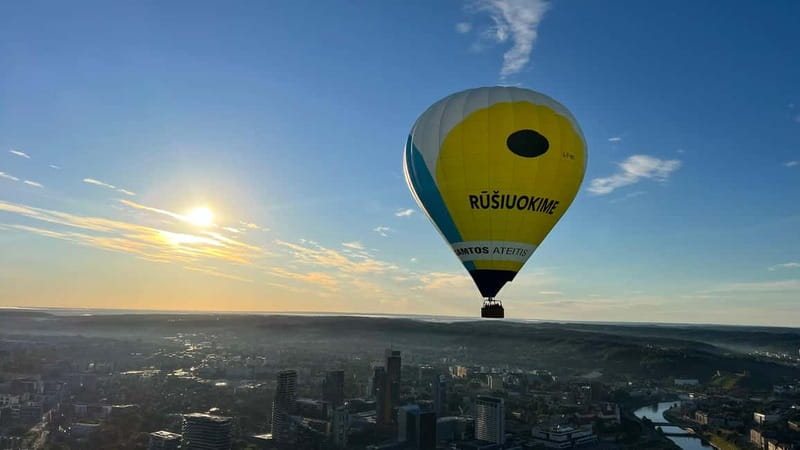
This is the part that matters most for planning. Balloon flights are completely dependent on meteorological conditions: cloudiness, rainfall, visibility, and wind speed.
They usually share meteo forecast information about 3 days before. But forecasts can be inaccurate or incomplete, and safety decisions can override the plan—even if the weather looks decent from the ground.
On top of that, Vilnius has an extra layer: air traffic control. Permission is required before take-off, and sometimes it isn’t granted. This can lead to a cancellation at the last minute. That’s not a flaw in the operator. It’s how aviation safety works.
For Trakai, the situation is often easier because balloon flights can happen in any wind direction. That doesn’t remove all weather limits, but it reduces one big “no” factor that affects Vilnius more.
Practical takeaway for your itinerary: if your schedule is tight and you hate surprises, pick a date with backup time. And don’t schedule the rest of your day around a fixed exact arrival hour. The whole operation keeps moving based on conditions.
What You’ll Actually See From Above
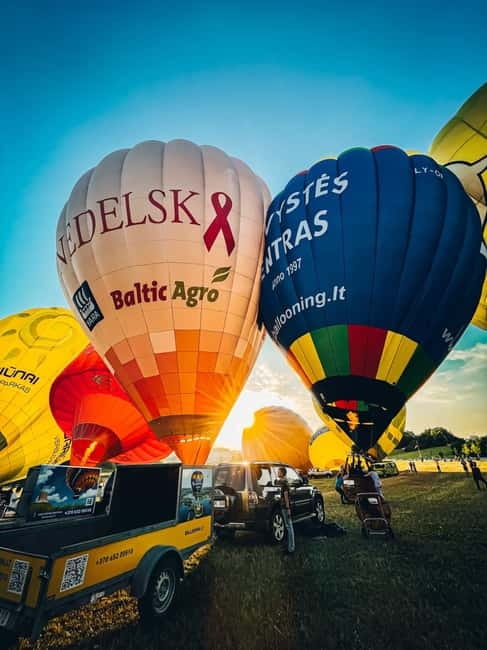
Let’s talk about the payoff. The highlight isn’t abstract. You’re aiming for recognizable aerial views that make sense the second you land.
Over Vilnius, the goal is to soar across the city and spot famous landmarks from above. The visibility requirement for flying over the city (when permitted) suggests you’ll get enough clarity to actually enjoy the sightlines, not just a gray blur.
Over Trakai, the “wow” is more specific: Trakai Castle from above, often approached slowly. You’ll also get views over Lake Galvė, since the balloon commonly rises from the Senoji Kibininė area by the lake. That lake-and-castle geometry is exactly the kind of thing a balloon shows well—because height reveals the layout.
If you’re the type who loves photos, you’ll have the advantage of slow movement and multiple angles. If you’re more into noticing textures and spatial relationships, you’ll also enjoy how the city and town edges look from above.
Either way, the experience is designed to make the aerial view the main event, not a side detail.
Price and Value: Is $212 Worth It?
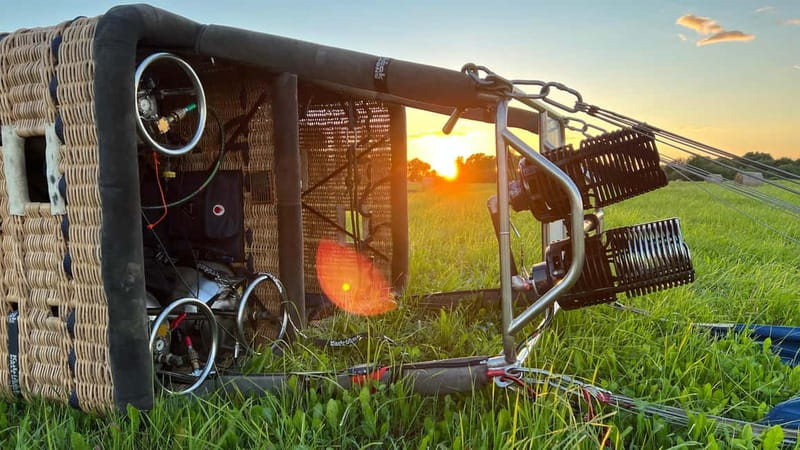
At $212 per person, this isn’t a casual impulse purchase. It’s closer to a premium experience day. The value comes from what’s included, not just the balloon ride.
You’re covered for:
- Hotel pickup and drop-off (real convenience in Vilnius)
- The hot air balloon flight
- A professional live guide and pilot services
- Safety briefings and equipment
- Ground transport from meeting point to take-off area, then back again
- A glass of sparkling drink afterward
- A flight certificate ceremony
- Passenger health insurance (250,000 euros per person)
Food isn’t included, so plan on grabbing something before the early pickup window or after you return.
When I judge value, I’m also looking at time and probability of getting the experience. You get 3–4 hours total, including the full balloon handling and wrap-up. And while cancellations can happen due to weather/aviation, the booking options include free cancellation up to 24 hours in advance and a reserve-and-pay-later option, which helps you manage the weather risk without losing control of your plans.
So yes, $212 can be a lot. But when you itemize the transfer, briefing, safety coverage, and the structured wrap-up ceremony, it starts to look like a full experience package rather than a simple ride.
Packing and Timing: Small Choices That Make the Flight Better
You don’t need fancy gear, but you do need to plan for being outside before and after the flight. Here’s what to bring:
- Comfortable shoes
- Warm clothing
- Camera
The basics matter because you’ll likely walk on uneven ground near the launch and landing areas and stand around while the balloon is prepared and recovered.
Avoid:
- Sandals or flip-flops
- Pets
- Luggage or large bags
- Alcohol and drugs
Timing depends on the season. Flights typically run April–October. In summer, launches are usually early—around 5AM–9AM—or later in the evening, around 6PM–9PM. In autumn and spring, morning flights start later (around 8AM) and evening flights are earlier (around 4PM).
If you dislike early starts, you should still consider it. The payoff is better light and calmer air most of the time. But do set your alarm—this isn’t a lay-in-and-lunch activity.
Who Should Book, and Who Should Skip It
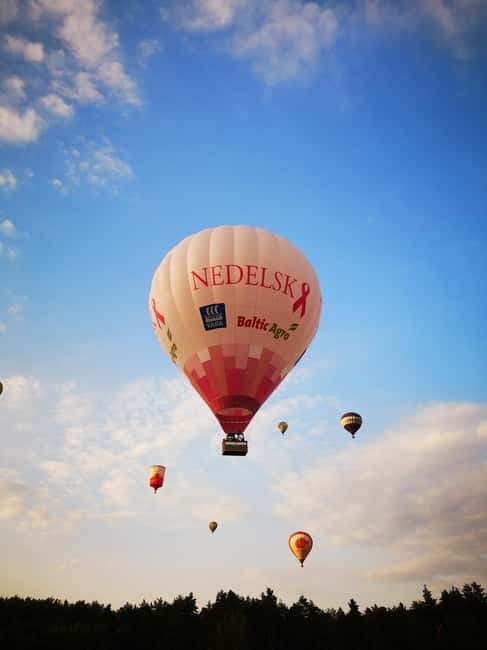
This is an excellent fit for:
- People who want a “big view” experience without heavy walking
- Couples and small groups who like a guided, organized setup
- Anyone who cares about safety briefings and professional handling
- Photo lovers who want the city and castle angles
It’s not suitable for:
- Pregnant women
- People with heart problems
- People afraid of heights
If any of those apply, choose something on the ground. You’ll enjoy your time more, and you’ll reduce stress for everyone involved.
Should You Book This Hot Air Balloon Flight?
If you want a calm, scenic thrill with real structure—pickup included, safety briefings done right, and a memorable end moment—this is a strong choice. The big question is less about the balloon and more about timing and weather. Vilnius can be trickier due to aviation permissions and visibility rules, while Trakai often offers more practical flight flexibility.
If your schedule is flexible and you’re excited by aerial views of a historic city or a castle by a lake, book it and treat the weather as part of the adventure. Just don’t plan a “right after the balloon” commitment that requires an exact return time. Give yourself breathing room, dress warm, and plan to come back with photos that finally do Lithuania justice from above.
FAQ
Where are the pickup locations?
You can be picked up from several places in Vilnius, including Trakai Bus Station, VšĮ Vilniaus rotušė, Vilnius Cathedral, Vingis Park, and Baltasis tiltas. The exact meeting time and place are confirmed by SMS or email.
How long is the whole experience, and how long is the flight?
The total experience is about 4 hours. The flight time is usually around 1 hour, while the full process—including preparation, instruction, flight, packing up, certificate procedure, and returning—typically lasts 3–4 hours.
Will the flight be over Vilnius or Trakai?
It depends on wind direction and operating permissions. Flights over Vilnius require the right wind direction and visibility, plus permission from air traffic control. Trakai flights are generally more favorable because balloon flights can work in any wind direction.
Who can’t go on this balloon flight?
The activity is not suitable for pregnant women, people with heart problems, and people afraid of heights.
What should I bring, and what’s not allowed?
Bring comfortable shoes, warm clothing, and a camera. Sandals or flip-flops aren’t allowed. Pets, luggage or large bags, alcohol, and drugs are also not allowed.
Is weather likely to affect the flight?
Yes. Balloon flights depend on meteorological conditions like cloudiness, rainfall, visibility, and wind speed. Even with a forecast, flights can be canceled for safety reasons, including possible last-minute cancellations related to weather or air traffic control permissions over Vilnius.