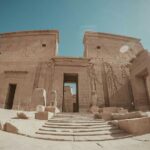
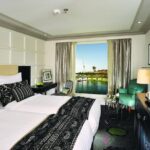
If you like your Egypt with a view, this works. You’ll go Aswan to Luxor on a 5-star Nile cruise, with guided ancient sites and the show-stopper hot-air balloon ride. It’s a smart mix of comfort and big “wow” moments, without you needing to juggle tickets and transfers yourself.
My two favorite parts are the calm luxury of the cruise cabin between sightseeing days, and the way the guided temple visits make Egypt feel understandable instead of random. One drawback to plan for: this is a packed experience with long days of touring, including a full day trip out to Abu Simbel.
In This Review
- Key points before you go
- Aswan to Luxor in 3 days: how the rhythm feels
- Abu Simbel Temple Complex: Ramses in rock form
- Kom Ombo’s double temple: two gods, one stop
- Edfu by horse-drawn carriage: a slower way to start
- Karnak and Luxor Temple: where scale meets meaning
- The sunrise hot-air balloon: the view that anchors the trip
- Valley of the Kings with an Egyptologist: names make sense
- Deir el Bahari and the Colossi of Memnon: graceful stone work
- Price and value: what $715.33 really buys
- Logistics that actually matter (and a few small tips)
- Who should book this Aswan to Luxor cruise with balloon?
- Should you book it?
- FAQ
- What is included in the 3-day Nile cruise?
- What sites will I visit during the tour?
- Do I get picked up from my hotel?
- Is the hot-air balloon ride guaranteed?
- How long is the experience?
- What time does the tour start?
Key points before you go
- Sunrise balloon time over the Luxor area turns the whole trip into a core memory.
- Abu Simbel + Kom Ombo in one go gives you two very different temple styles with less hassle.
- Horse carriage to Edfu keeps Day 2 from feeling like just another bus day.
- Karnak and Luxor Temples are close enough to savor, and timed so you still get evening hours.
- Valley of the Kings with an Egyptologist helps you connect names to places.
- Meals included (breakfast, lunch, dinner for the tour days) makes the pacing easier.
Aswan to Luxor in 3 days: how the rhythm feels
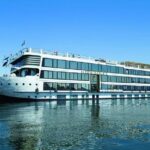
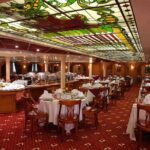
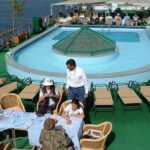
This is a true short-cruise format: about 3 days, with 2 nights on a 5-star Nile ship as you travel downriver. You start the day at 12:00 pm and you’ll be picked up from your Aswan hotel in an air-conditioned car.
The biggest thing to understand is pacing. You’re not just cruising and popping out for a quick look. You’re doing major sites each day, and then returning to the ship when the day wears you down. That’s the trade: more structure and less “figuring it out,” but expect a packed schedule.
Late on Day 2, you’ll reach Luxor around 7:00 pm, which means you’ll have a real evening shift after sailing and before temple time. It’s a nice balance if you like your travel days to feel full but not chaotic.
You can also read our reviews of more tours and experiences in Aswan.
- 4-Days Nile Cruise From Aswan To Luxor including Abu Simbel and Hot Air Balloon
★ 5.0 · 3,142 reviews
Abu Simbel Temple Complex: Ramses in rock form
Day one kicks off with a professional driver meeting you at your hotel in Aswan, holding a sign with the company name. Then you’ll take a comfortable air-conditioned 3-hour drive south for the Abu Simbel day.
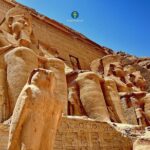
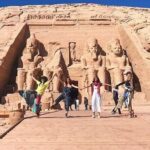
Abu Simbel is famous because it’s massive and intensely intentional. You’re looking at two rock-cut temples commissioned by Ramses the Great: the larger temple dedicated to Ramses himself, and the smaller temple honoring his beloved queen, Nefertari. It’s the kind of site where you don’t need extra imagination. The scale does the talking.
The temple visit is long enough to appreciate details, not just sprint past them. Admission is included, and lunch is included as well, so you’re not hunting for food after hours on the road.
One consideration: it’s a long day. Even with comfort and included meals, you’re spending a big chunk of time in transit plus sightseeing. If you’re the kind of traveler who gets cranky after back-to-back tours, pack a small buffer item—like water and a basic snack—so you stay human.
Kom Ombo’s double temple: two gods, one stop
After Abu Simbel, your next hit is Temple of Kom Ombo. This one is distinct because it’s a double temple, built during the Ptolemaic dynasty (between 180 and 47 BC), with later enhancements during the Roman period.
What I like about this stop is how it breaks up the story. Abu Simbel feels like royal power in giant stone. Kom Ombo feels more layered—ancient Egyptian religious life adapted over time, with different eras leaving their marks.
You’ll spend enough time to notice that this isn’t just one “look and go” temple. The double-structure concept is a big clue that you’re seeing design for more than one purpose, and the Roman upgrades suggest the site kept relevance beyond its original era.
Admission is included, and the stop runs about 2 hours, which is a manageable length inside an already busy day.
Edfu by horse-drawn carriage: a slower way to start
Day two begins with a charming twist: a horse-drawn carriage ride to Temple of Horus in Edfu. Yes, it’s a bit of a photo moment—but it’s also a practical one. It helps set a different pace, especially after the big travel day before.
Edfu’s Temple of Horus is known for detailed depictions and writings, including scenes connected to the legendary battle of Horus and Seth. This is the kind of story-focused temple where having a guide matters, because the artwork is doing a lot of work for you.
Then you shift to the cruise portion. You’ll enjoy a tea session while sailing toward Luxor, and you’ll pass through the Esna lock. Locks can feel like nothing special on a map, but on the Nile they’re real-life engineering. It’s a small reminder that this river is still working today.
You arrive in Luxor around 7:00 pm, which sets you up for the evening temple pair.
Karnak and Luxor Temple: where scale meets meaning
Once you’re in Luxor, you get hit with two of the most important names in Egyptian temple history: Karnak Temple Complex and Luxor Temple.
Karnak is a sprawling set of temples, pylons, chapels, and structures grouped close together. It’s easy to get overwhelmed here, because the site is huge. This is where your Egyptology guide earns their keep—helping you pick what to notice instead of walking around like you’re reading a book with random pages.
Luxor Temple comes after, across the Nile on the east bank. It was built around 1400 BCE and was known in Egyptian as ipet resyt, which translates to southern sanctuary. Even if you don’t memorize the labels, you’ll feel the difference in mood. Karnak can feel like a whole world. Luxor Temple feels more readable and human-scaled by comparison.
Admission is included for both stops, and you’ll have guided time for each. The total stop lengths are about 2 hours for Karnak and 2 hours for Luxor Temple, which is long enough to see the highlights without wearing you out completely.



The sunrise hot-air balloon: the view that anchors the trip
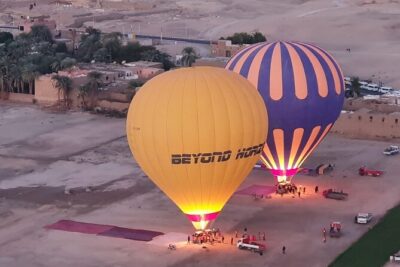
If you want one moment that makes this tour feel worth it beyond temples, it’s the hot-air balloon ride. The standout theme from past experiences is the sunrise timing and the aerial views over the Nile and the Luxor area.
This is one of those activities where you feel like you’re getting a different kind of education. From above, the river geometry and the city layout start to click. Temples look different when you’re not standing at ground level.
There’s also a practical detail worth knowing: if the balloon is canceled due to unfavorable weather, you’ll receive a refund of $24 per person. It won’t erase the plan’s excitement, but at least you’re not left feeling stuck paying for nothing.
Bring what you need to stay comfortable for early timing—light layers can help—but the main advice is simple: treat this as your anchor moment. Everything else is important, but the balloon is the one you’ll picture later when you’re back home.
Valley of the Kings with an Egyptologist: names make sense
Day three focuses on the royal necropolis experience, and it does it the right way: Valley of the Kings with an Egyptologist guiding you through what you’re seeing.
You’ll explore tombs connected with major pharaohs, including King Tutankhamun, Ramesses VI, King Thutmose, and Amenhotep II, plus other royal figures. The big difference here is that you’re not just looking at entrances. You’re connecting these places to stories, reigns, and artistic choices.
This site rewards structure. A guide helps you understand why these tombs are placed where they are and how the valley functioned as a whole system, not a set of random holes in the cliffs. Admission is included, and the visit runs about 2 hours, which is a good length for staying focused without rushing.
Deir el Bahari and the Colossi of Memnon: graceful stone work
After the Valley of the Kings, you’ll see Temple of Hatshepsut at Deir el Bahari. Hatshepsut’s mortuary temple is often described as a masterpiece, and from what you’re given here, you’re going to a major architecture highlight from the Eighteenth Dynasty.
The setting across from Luxor is part of the effect. The temple’s terraces and dramatic structure make it easy to understand why people remember this stop as more than a checkbox.
Your time there is about 1 hour with admission included. That’s enough to get the feel without turning it into a long grind.
Then you finish with the Colossi of Memnon: two enormous statues of Pharaoh Amenhotep III. The statues sit near the entrance of the mortuary temple of Amenhotep III. Admission for the Colossi is free, and your stop is about 30 minutes.
This ending works well because it gives you a quick, memorable finale. It’s big, simple to understand, and it doesn’t demand marathon attention.
Price and value: what $715.33 really buys
At $715.33 per person, the value of this tour comes from packaging. You’re not paying just for a boat. You’re paying for 2 nights on a 5-star cruise, plus guided visits across several major sites, plus transportation in an air-conditioned car for pick-up and drop-off.
You also get meals included: 2 breakfasts, 2 lunches, and 2 dinners. In Egypt, meals can eat into your time when you’re doing everything independently. Here, they support the schedule instead of disrupting it.
Another value point: admissions are included for the key temple stops you’ll visit, which reduces the mental load. You’re also getting an Egyptology guide for the touring parts that matter, especially on the Valley of the Kings day.
The downside risk is simple: this price assumes you’ll want a guided, structured experience. If you prefer total freedom and you’re confident arranging drives, entrances, and guide time on your own, you might build a cheaper plan. But if you want comfort and tight logistics with major highlights, this is built for that.
Logistics that actually matter (and a few small tips)
This tour is set up for convenience. You’ll get arrival and departure meet-and-assist, plus a mobile ticket option. You’re also in a private tour/activity, meaning only your group participates, and group discounts may apply.
Tipping is not included, so plan for it. That’s not a complaint—just a heads-up so you don’t get surprised at the end.
My practical advice: wear shoes that handle temple uneven surfaces, and keep a small bag for water and sunscreen. The schedule is active, and even on a cruise day, you’re moving between sites. You’ll feel better if you’re ready for long stretches outside.
Who should book this Aswan to Luxor cruise with balloon?
This fits best if you want three things in one trip: big-name temples, a comfortable ship stay, and one adrenaline-lift view from above at sunrise. It’s a great choice for first-timers who want guidance without feeling boxed in.
It’s also a smart match for travelers who dislike logistics headaches. Pickup, transportation, admissions, and meal planning are all part of the package. That matters when you’re only there for a few days.
If you dislike early mornings or long guided days, you might want to rethink the balloon piece or choose a slower itinerary. This one keeps the pressure on—in a good way, but it’s still a full schedule.
Should you book it?
Yes, if you like a trip that balances comfort and history. A 5-star cruise cabin, guided temple days, and a sunrise hot-air balloon ride is a strong combo, especially when much of the heavy lifting is handled for you.
Book it with realistic expectations: you’ll tour hard for three days, not just lounge. But if you show up ready for a full schedule, this is the kind of Egypt plan that leaves you with both photos and understanding.
FAQ
What is included in the 3-day Nile cruise?
The package includes meet-and-assist, 2 nights on a 5-star Nile cruise, all cruise tours listed, air-conditioned transportation for pick-up and drop-off, an Egyptology guide, plus 2 breakfasts, 2 lunches, and 2 dinners. Admission is included for the stops listed in the schedule.
What sites will I visit during the tour?
You’ll visit Abu Simbel Temple Complex and Kom Ombo, then Temple of Horus (Edfu), Karnak Temple Complex, and Luxor Temple, and finally Valley of the Kings, Temple of Hatshepsut at Deir el Bahari, and the Colossi of Memnon.
Do I get picked up from my hotel?
Yes. You’re offered pick-up and drop-off with an air-conditioned car, and you’ll also receive arrival and departure meet-and-assist.
Is the hot-air balloon ride guaranteed?
The balloon ride can be canceled due to unfavorable weather. If it is canceled, you’ll be refunded $24 per person.
How long is the experience?
It runs for about 3 days, including 2 nights on the cruise.
What time does the tour start?
The experience starts at 12:00 pm.
You Might Also Enjoy
More Tour Reviews in Aswan
- 4-Days Nile Cruise From Aswan To Luxor including Abu Simbel and Hot Air Balloon
★ 5.0 · 3,142 reviews