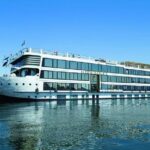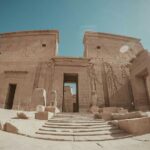
A floating cruise beats rushing between ruins, and this one gives you big-name Egypt without the chaos. From Aswan to Luxor, you’ll move through the Nile with guided stops at Philae Temple, Abu Simbel, Kom Ombo, Edfu, Luxor, the Valley of the Kings, and more, plus a sunrise hot air balloon over Luxor’s west bank.
I love how the days are structured around real highlights, not filler. And I really like the comfort side: a 5-star ship, air-conditioned transfers, and Egyptology-style guiding that helps the carvings make sense fast (names you may hear in feedback include Shady, Osama, Taha, Rabeh, and Mervat).
One consideration: the balloon ride and some entry fees are listed as not included (Abu Simbel and the balloon ticket), so you’ll want to confirm the total cost before you go, and budget for tipping since it’s not part of the package.
Key highlights you should care about
- 5-star ship comfort with spacious decks and a crew that stays attentive across long temple days
- Sunrise balloon over Luxor with 30–45 minutes in the air (ticket listed as not included)
- Temple guiding that turns details into context, with guides praised for storytelling at Philae, Kom Ombo, and Edfu
- A well-paced East Bank plus West Bank plan, including Karnak and the Valley of the Kings
- Early starts are built in, so the schedule can feel intense if you hate getting up before the sun
In This Review
- First, the Big Picture: Aswan to Luxor in 4 Days
- Getting On the Boat: Aswan Airport or Hotel Pickup to 5-Star Comfort
- Aswan High Dam and Philae Temple: Where the Nile’s Power Becomes a Story
- Aswan High Dam
- Philae Temple and the Boat Ride
- Abu Simbel, then Kom Ombo: Long Day Energy Done Right
- Abu Simbel Temples: Ramesses II’s Mountain Stage
- Kom Ombo Temple: Sobek and Horus Side by Side
- Edfu’s Temple of Horus and the Esna Lock Sail: A Day Built for Storytelling
- Temple of Horus at Edfu
- Luxor East Bank at Sunset: Luxor Temple and the Multi-Faith Feel
- 5:00 AM Hot Air Balloon Over Luxor’s West Bank: Worth the Early Wake-Up
- Colossi of Memnon, Valley of the Kings, and Deir el Bahari: The West Bank Morning
- Colossi of Memnon
- Valley of the Kings
- Temple of Hatshepsut at Deir el Bahari
- Karnak Temple: The East Bank Finale Before Your 3:00–4:00 PM Departure
- Price and Value: What $786.50 Buys (and What to Budget Extra)
- Who This Trip Fits Best (and Who Might Find It Too Much)
- Should You Book This 4-Day Nile Cruise with Hot Air Balloon?
- FAQ
- How long is this Aswan to Luxor cruise?
- Is pickup included, and where does it pick you up from?
- What meals are included onboard?
- Is the hot air balloon ride included in the price?
- Are temple entry tickets included?
- Do you get an Egyptology expert guide?
- What’s the cancellation policy?
First, the Big Picture: Aswan to Luxor in 4 Days
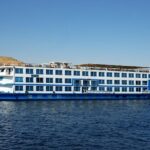
This is the classic southern Egypt route, but with the advantage of a floating base. You sleep on a 5-star Nile cruise for 3 nights, so the trip rhythm is: guided temple time, sail time, dinner onboard, then repeat. That matters because it keeps you from doing the usual Egypt problem—too many transfers, too little sleep.
The “value” angle is solid. For one price, you’re getting guided tours at multiple major sites, plus breakfast/lunch/dinner onboard. You’re also getting meet-and-assist support and air-conditioned transport for pickups and drop-offs in Aswan and Luxor, which removes a lot of uncertainty when you’re traveling in a new country.
The pace is not slow. This route is heavy on temples and walking. If you’re the type who likes to linger in one place for hours, you’ll still get the big landmarks—but you’ll need to move with the group and make peace with quick-but-meaningful visits.
Getting On the Boat: Aswan Airport or Hotel Pickup to 5-Star Comfort
Your day starts with a representative from Omar Nile Cruise meeting you at Aswan International Airport, the train station, or your hotel. You’re then transferred in a comfortable air-conditioned van to the ship. That kind of door-to-boat service is a big deal on a cruise, because it sets the tone: you arrive, you check in, and you start enjoying instead of negotiating logistics.
Once aboard, you’ll check in and have lunch onboard. This early meal helps you settle in, especially if your travel day was long. It’s also a practical rhythm: temples start early on this trip, so having a full meal soon after arrival keeps you from getting stuck in that end-of-day hunger cycle.
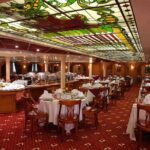
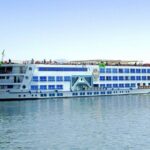
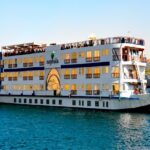
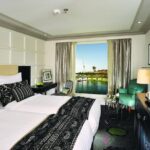
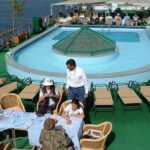
Onboard, the comfort side is a recurring theme in feedback: people describe the ship as stylish, clean, and relaxing, with spacious decks and loungers. In other words, when you’re not touring, you’re not stuck inside waiting for the next stop.
You can also read our reviews of more tours and experiences in Aswan.
- 4-Days Nile Cruise From Aswan To Luxor including Abu Simbel and Hot Air Balloon
★ 5.0 · 3,142 reviews
Aswan High Dam and Philae Temple: Where the Nile’s Power Becomes a Story
Day 1 focuses on two very different Aswan experiences, and that contrast is part of what makes the start work.
Aswan High Dam
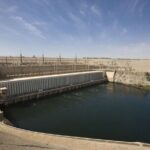
You’ll visit the Aswan High Dam, completed between 1960 and 1970. It was the tallest earthen dam in the world at the time and still one of the biggest engineering projects on the Nile. This stop gives you a modern frame before the ancient sites—so when you later see how people built, traveled, and worshiped along this river, you understand the water-and-power context a bit better.
The visit also includes admission, so you’re not juggling extra tickets at the start.
Philae Temple and the Boat Ride
After the dam, you’ll head to Philae Temple (the Temple dedicated to Isis). You take a short motorboat ride to the temple, which turns the approach into part of the experience rather than a boring transfer.
This is one of those sites where guidance really pays off. Philae has layers—Graeco-Roman structure, ancient Egyptian religious roots—and a good guide helps you see how the symbolism connects across time. On the ship that night, dinner comes with a folkloric show, which is a nice onboard cultural moment after a day of serious sightseeing.
Abu Simbel, then Kom Ombo: Long Day Energy Done Right
The middle of the trip is where the route flexes. You get a major “wow” day trip and then you return to a temple that’s unusual in its layout.
Abu Simbel Temples: Ramesses II’s Mountain Stage
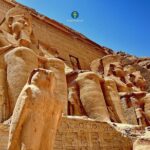
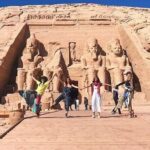
Abu Simbel is a big commitment: it’s far south near the Sudanese border, and the tour day there is long (about 7 hours). The reason it’s worth it is simple: these temples were carved into a mountainside under Pharaoh Ramesses II and dedicated to gods and to Ramesses himself, with a smaller temple for Queen Nefertari and Hathor.
The standout detail is the famous solar alignment: twice a year, sunlight reaches deep into the Great Temple and illuminates statues inside. Even if you’re not visiting on that exact day, you’ll get the sense that the builders planned Abu Simbel with astronomical timing in mind.
Important: the Abu Simbel entry ticket is listed as not included, so check what you’ll pay and how that’s handled during pickup.
Kom Ombo Temple: Sobek and Horus Side by Side
Then you shift to Kom Ombo, a temple with a rare feature: it’s dedicated to two sets of gods—Sobek (crocodile god) and Horus (falcon-headed god). The layout is symmetrical, so you see mirrored spaces and mirrored themes.
What makes Kom Ombo memorable is how the site connects religion to everyday ideas like healing. The reliefs include depictions of tools and procedures tied to medicine and ritual. Nearby, the Crocodile Museum adds context through artifacts and mummies tied to Sobek worship.
The admission is included here, and this is one of the stops where guide quality really shows. In feedback, guides like Taha and Super Mo get credit for making the architecture and symbolism feel logical, not just decorative.
Edfu’s Temple of Horus and the Esna Lock Sail: A Day Built for Storytelling
Day 3 starts with Edfu. The key here is that you get a major temple that’s often considered the best preserved, then you get back to the boat for sailing and relaxation.
Temple of Horus at Edfu
You’ll visit the Temple of Horus at Edfu and get there via a horse carriage ride with your guide. That’s not just scenery—it’s a buffer between “travel mode” and “temple mode,” so you’re not jumping straight into walking.
Then you return to the cruise to sail toward Luxor. You’ll pass through the Esna Lock, and onboard time matters here because you’re likely to be mentally overloaded by the end of an Egypt day. People praise the way the cruise decks feel for winding down.
In the afternoon, you’ll enjoy tea on the sundeck, which is one of those small touches that makes the day feel less like a checklist.
Luxor East Bank at Sunset: Luxor Temple and the Multi-Faith Feel
After arriving at the Luxor dock, you transfer to Luxor Temple on the East Bank. This is where you see how ancient Egypt layers over later eras: the site includes ancient Egyptian, Christian, and Islamic influences. A good guide is helpful here because it turns the mix from confusing to understandable.
Dinner onboard includes a belly dancing show, which brings back some energy after walking. If you arrive at the Luxor dock by 3:00 or 3:30 PM, there’s time to visit both Karnak and Luxor Temple. If you don’t, Karnak is handled on the final day, so you won’t lose it.
Either way, the timing is designed to give you a strong Luxor moment before the balloon and West Bank start the next morning.
5:00 AM Hot Air Balloon Over Luxor’s West Bank: Worth the Early Wake-Up
This is the headline on this trip, and it’s also the most sensitive part of planning because it’s listed as not included.
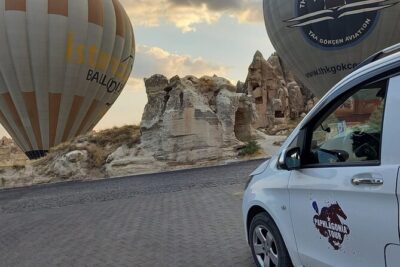
You depart around 5:00 AM for a 30 to 45-minute hot air balloon ride over Luxor’s west bank. The payoff is the view: sunrise light over monuments and the river bends creates the kind of scene you don’t get from ground level. Even better, the balloon flight is brief enough to keep you from losing the entire day.
Practical note: balloon logistics can vary by weather, and since the ticket isn’t included, you’ll want to confirm the exact pickup point, payment process, and whether the operator includes transfer details in the balloon price.
A lot of feedback highlights mornings where dozens of balloons are in the sky above Luxor. That suggests you’re joining a real sunrise event, not a random flight.
Colossi of Memnon, Valley of the Kings, and Deir el Bahari: The West Bank Morning
After checkout and breakfast, you head to the West Bank for three major sights in sequence, plus an optional lunch stop.
Colossi of Memnon
First are the Colossi of Memnon—two huge stone statues of Pharaoh Amenhotep III at the entrance of his mortuary temple site. Admission is free for this stop, which is a nice win. They’re simple in concept, huge in impact: you arrive, and the scale hits you immediately.
Valley of the Kings
Next is the Valley of the Kings, where New Kingdom pharaohs carved tombs into the mountains. The value here is access plus context. A guided approach helps you understand why these tombs were built into cliffs and how the protective ideas shaped the layout.
Admission is included here, and the time on site is set to keep the day moving without cutting off the main tomb experience.
Temple of Hatshepsut at Deir el Bahari
Then you’ll visit the mortuary temple of Queen Hatshepsut at El Deir El Bahari. This stop is famous for its architecture and for what it tells you about power and legitimacy in a changing dynasty. The guidance includes the relationship between Hatshepsut and her nephew, which helps explain the political meaning behind the design.
Admission is included, and there’s an optional local restaurant lunch available.
Karnak Temple: The East Bank Finale Before Your 3:00–4:00 PM Departure
Karnak is scheduled after you head back to the East Bank. You’ll explore Karnak Temple, built over thousands of years and spanning about 63 acres. This is the part of Luxor that can feel overwhelming on your own, so a guide helps you choose what to focus on and how to read the site.
Admission is included. You’ll likely spend time photographing pillars and obelisks and learning what those spaces were meant to do for worship and state ceremony.
After Karnak, you’ll be transferred around 3:00 to 4:00 PM to your Luxor hotel, the airport, or the railway station. That timing is practical if you’re planning a same-day connection.
Price and Value: What $786.50 Buys (and What to Budget Extra)
At $786.50 per person for 4 days and 3 nights, this package feels most “fair” when you see what’s included:
- A 5-star Nile cruise for your whole sleep base
- Meet-and-assist support
- Air-conditioned transfers in both Aswan and Luxor sides
- An Egyptology expert guide (English and Spanish)
- Breakfast, lunch, and dinner onboard (3 each)
- Admission included for many major stops, plus some free sights
Where you may need extra budgeting:
- Hot air balloon ticket is listed as not included
- Abu Simbel admission is listed as not included
Also, tipping isn’t included. That’s normal in Egypt, but it’s still something to plan for so it doesn’t surprise you at the end.
If you want the lowest possible cost, this won’t be the cheapest way to see Egypt. But if you want the highest comfort-to-sightseeing ratio—especially with guided context and onboard meals—it’s a strong value setup.
Who This Trip Fits Best (and Who Might Find It Too Much)
This cruise is ideal if you want:
- a structured route from Aswan to Luxor
- guided interpretation at multiple temples
- comfort between sightseeing days
- the big highlight of a sunrise balloon over Luxor
It may feel like too much if you:
- hate early starts (the balloon is very early)
- want long, slow time in one tomb or one complex
- prefer independent travel without a schedule
If you’re traveling as a couple or small group, this private setup (only your group participates) can feel smooth, because you’re not sharing guides with strangers at random. Families also seem to do well based on feedback about interactive storytelling, though the walking level is still real.
Should You Book This 4-Day Nile Cruise with Hot Air Balloon?
I’d book it if you want a “greatest hits” southern Egypt trip with comfort doing its job. The combination of a 5-star ship, guided temple visits, and the sunrise balloon is exactly the kind of mix that saves time and turns iconic places into something you actually understand.
Before you book, do two quick checks:
- confirm what the hot air balloon cost is in practice since the ticket is listed as not included
- confirm how Abu Simbel entry is handled and what you’ll pay on top of the cruise price
If those two items are clear, this trip makes a lot of sense. It’s one of the more polished ways to experience Aswan-to-Luxor without spending your days stressed about logistics.
FAQ
How long is this Aswan to Luxor cruise?
It’s listed as 4 days (about 4 days / 3 nights on the Nile).
Is pickup included, and where does it pick you up from?
Yes. The tour includes meet-and-assist service, with pickup offered from Aswan International Airport, the train station, or your hotel, using a comfortable air-conditioned car. You’ll also get a transfer back around 3:00 to 4:00 PM after the last visit.
What meals are included onboard?
The package includes 3 breakfasts, 3 lunches, and 3 dinners.
Is the hot air balloon ride included in the price?
The balloon ride is scheduled on Day 4, but the admission ticket is listed as not included, so you should confirm the balloon cost at booking.
Are temple entry tickets included?
Some are included and some are not. Not included: Abu Simbel Temples and the hot air balloon ticket. Included: sites such as Aswan High Dam, Philae Temple, Kom Ombo, Temple of Horus (Edfu), Luxor Temple, Valley of the Kings, Hatshepsut at Deir el Bahari, and Karnak. Colossi of Memnon is listed as free.
Do you get an Egyptology expert guide?
Yes. The tour includes an Egyptology expert tour guide in English and Spanish.
What’s the cancellation policy?
You can cancel free of charge up to 24 hours before the experience starts for a full refund. If you cancel within 24 hours, the amount paid isn’t refunded.
You Might Also Enjoy



More Tour Reviews in Aswan
- 4-Days Nile Cruise From Aswan To Luxor including Abu Simbel and Hot Air Balloon
★ 5.0 · 3,142 reviews