REVIEW · LUXOR
Best Of Luxor Sightseeing in 2-Days including Hot Air Balloon and Tours
Book on Viator →Operated by Egypt Lifetime Tours · Bookable on Viator
Hot air over Luxor’s ruins sets the tone. This 2-day plan mixes West Bank icons with East Bank legends, then sends you up for a hot air balloon ride timed for classic Nile views and sunrise color. You also get focused time at the Valley of the Kings, plus Hatshepsut and the big-ticket temples on both sides of the river.
What I like most is how the schedule is built around seeing the right things with an English-speaking Egyptologist guiding you through the why, not just the where. I also like that you’re not stuck arranging logistics: you get hotel or Nile cruise pickup and drop-off in an A/C vehicle, with transfers handled across both days.
One consideration: the balloon day is early, and there are strict rules—no professional camera in the balloon for security, and the balloon trip isn’t allowed for children under 6 or for pregnant women. Also, entrance fees and tipping aren’t included, so budget a bit extra once you see what’s required at each site.
In This Review
- Key highlights at a glance
- Two days that actually fit Luxor: how the East and West Bank plan works
- Valley of the Kings: choosing the right tombs without wasting time
- Hatshepsut’s temple: the story behind Egypt’s rare female ruler
- Colossi of Memnon: a short stop with a big wow factor
- 5 a.m. balloon day: what happens before you fly
- Karnak Temple: walking through the “largest” kind of big
- Luxor Temple: finishing with monuments that feel like a frame for the Nile
- Price and value: is $180 a fair deal for this 2-day package?
- Who this tour fits best (and who should choose something else)
- Should you book this 2-day Luxor best-of with a balloon?
- FAQ
- Is pickup and drop-off included?
- What is included in the price?
- Are entrance fees included?
- What about food during the tour?
- Who can join the hot air balloon?
- Are cameras allowed on the balloon?
- What happens if the balloon is canceled due to weather?
Key highlights at a glance
- 30–40 minute balloon flight over Luxor’s monuments, with cellphone-only photo rules
- West Bank deep hits: Valley of the Kings, Hatshepsut’s temple, and Colossi of Memnon
- East Bank giants: Karnak Temple and Luxor Temple with a trained Egyptologist
- All A/C transfers included with pickup and drop-off by vehicle
- Small group cap (max 20 people) for a more workable pace
Two days that actually fit Luxor: how the East and West Bank plan works
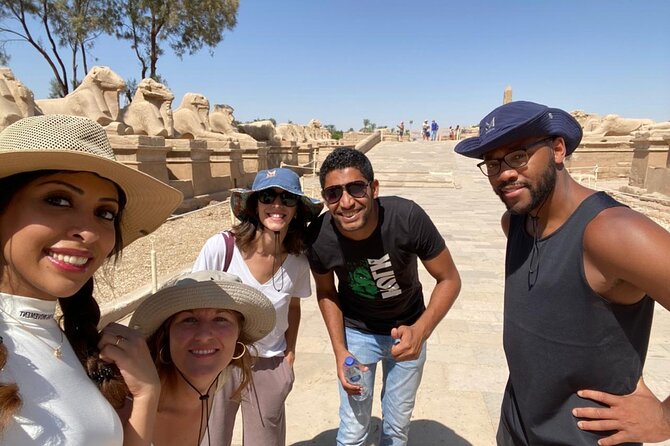
Luxor is split in a way that matters. The West Bank feels like the “tomb and mortuary” side—valleys, temples for the dead, and cliffside carvings. The East Bank is where you’ll stand in the “life and worship” zones—massive temple complexes and monumental walls that keep expanding in your mind as you walk.
This tour runs exactly that logic. Day 1 starts on the West Bank and builds from the Valley of the Kings to Hatshepsut, then finishes with the Colossi of Memnon. Day 2 goes the other direction: a very early hot air balloon flight, then Karnak and Luxor Temple on the East Bank. The pacing is tight, but it’s tight in the good way—built around maximizing prime viewing hours.
You’ll also notice the tour is designed for a group rhythm, not for a free-for-all. With an Egyptologist guide, you’re not just moving from one ticket gate to another. You’re learning what you’re looking at, including how the ancient rulers wanted their tombs protected and how temple power worked through gods, kings, and massive building programs.
If you’re short on time in Luxor, this is the kind of itinerary that helps you make the most of it without turning your trip into a checklist sprint.
You can also read our reviews of more tours and experiences in Luxor.


Valley of the Kings: choosing the right tombs without wasting time
Your day begins around 8:00 am with pickup from your hotel or Nile cruise in Luxor. Then you head west for roughly 40 minutes to the Valley of the Kings. This isn’t one single “thing” to see—it’s a whole cluster of rock-cut tombs built for New Kingdom pharaohs. The idea was secrecy and protection: treasure and mummies were meant to stay hidden, not displayed.
The smart part here is that you don’t just rush through whatever is open. You visit three of the open tombs, and your Egyptologist helps you choose the best ones. That matters because some tombs can feel similar at first glance—until a guide points out what’s unique: layout, scenes, and what those images were meant to communicate.
Plan for a steady walk on uneven ground. Wear comfortable shoes you can trust. The sun can be intense even in the morning, so bring sun protection you’re actually willing to use.
What you’ll learn here: why these tombs were carved into mountain sides as a deliberate strategy, and how the art inside ties to beliefs about the afterlife. That context makes the tomb walls feel less like random carvings and more like a plan.
Possible drawback: you’re limited to three tombs. If you love tombs enough to want lots of extra ones, you’ll wish you had more time. But if your goal is a solid “best of” in two days, this is a good compromise.
Hatshepsut’s temple: the story behind Egypt’s rare female ruler
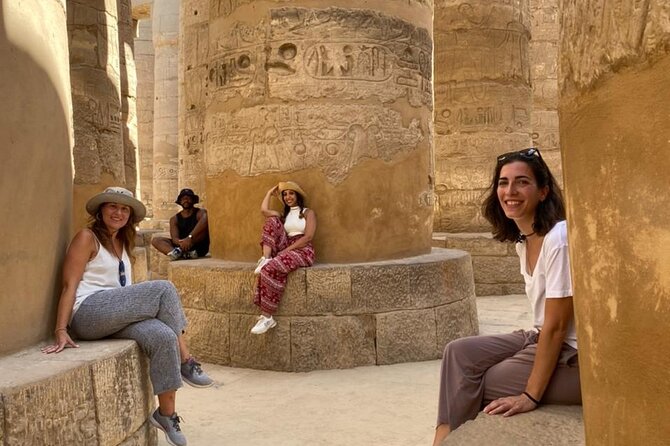
After the Valley of the Kings, you head to the Mortuary temple of Queen Hatshepsut. You’ll spend about 1.5 hours here. This temple stands out because Hatshepsut is one of the most famous exceptions in the story of pharaohs: she ruled for 22 years as a sole pharaoh, and you’ll hear how she managed power alongside her nephew’s situation.
The value of pairing this with the Valley of the Kings is that the tour isn’t only about death spaces. It also shows how rulers built lasting monuments. Hatshepsut’s temple is the kind of place where learning the background changes how you read the shapes and the symbolism.
I also like the way this stop is guided. Without explanations, you might walk through thinking it’s just “a temple with carvings.” With the Egyptologist talking through the story, you start to connect the dots between politics, religion, and architecture.
What you’ll learn here: the narrative behind Hatshepsut’s rule and why her mortuary temple matters beyond just being old stone.
Practical note: you’ll spend meaningful time walking and standing, so keep your expectations realistic. This is a history stop, not a quick photo stop.
Colossi of Memnon: a short stop with a big wow factor
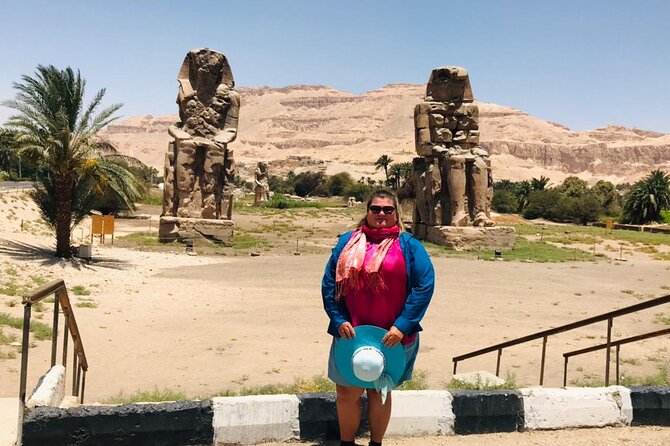
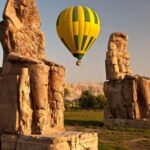
Next up is a brief 10-minute photo stop at the Colossi of Memnon: two giant statues associated with Pharaoh Amenhotep III. It’s short on purpose, because the main goal is to catch the scale and the classic look without draining your day.
Even in ten minutes, these statues can hit hard. They’re massive in a way that’s hard to capture in photos unless you’re physically there to judge size.
Possible consideration: since it’s only 10 minutes, you won’t get time for a long wander or extra angles. If you want more time here, you’d need a separate visit. But as part of a two-day best-of, this is a reasonable “quick hit.”
5 a.m. balloon day: what happens before you fly
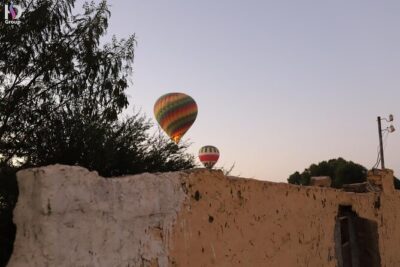
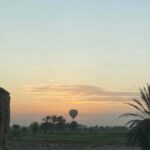
Day 2 starts extremely early. Your balloon pickup is at about 5:00 am (the exact time can shift depending on availability). You’ll be taken down toward the Nile, then you cross by motorboat to reach the west bank side again, and after that you transfer to the take-off area.
Before you go up, you’ll listen to the balloon captain’s introduction on safety procedures. This is also where you find out the practical rules. For example, a professional camera isn’t allowed for the balloon ride for security reasons. You can use your cellphone to take photos.
Then you fly for about 30 to 40 minutes. The timing is built for those memorable aerial views over Luxor’s open-air museum vibe. After the flight, you’re transferred back to your hotel to have breakfast, then you meet your tour guide in the morning for the East Bank temple circuit.
What I love about this format: the balloon is not treated like a separate adventure that steals half your day. It’s folded into a full itinerary that still leaves you with time for Karnak and Luxor Temple.
Who should consider this carefully: if you’re traveling with a child under 6, or if you’re pregnant, the balloon trip is not allowed. Also, if you rely on professional photo gear, you’ll need to plan around the camera restrictions.




Karnak Temple: walking through the “largest” kind of big
You’ll meet your Egyptologist around 8:30 am for Karnak Temple. You’re looking at roughly 1.5 hours here, and it’s described as the largest temple in the world, spread across about 60 acres. That’s the sort of scale where your brain goes, wait, how is this all one place?
Karnak works best when you treat it like a guided walk through power and worship. You’ll hear stories of kings and gods tied to the temple. Without guidance, it can feel like a lot of stones and columns. With guidance, the temple becomes a map of religious and political meaning—why certain halls exist, what the spaces were used for, and how rulers kept shaping the complex.
Here’s the practical trick: don’t try to “see everything.” Focus on the big moments your guide points out—where the symbolism is strongest and where the architecture helps you understand the story.
Possible drawback: 1.5 hours is a lot, but Karnak is huge. If you’re the type who hates rushing, plan to absorb it at a slower pace by listening closely rather than trying to photograph everything.
Luxor Temple: finishing with monuments that feel like a frame for the Nile
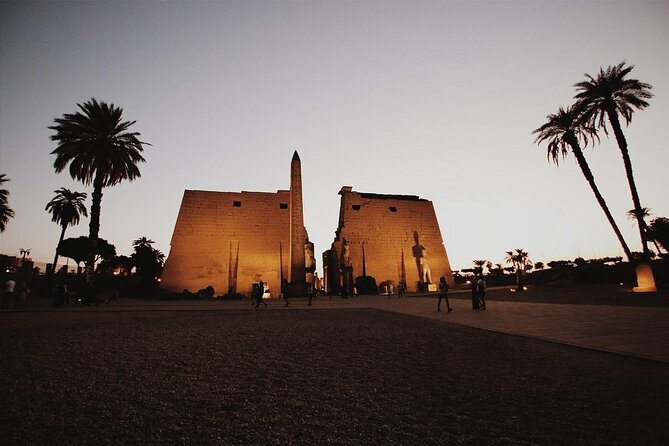
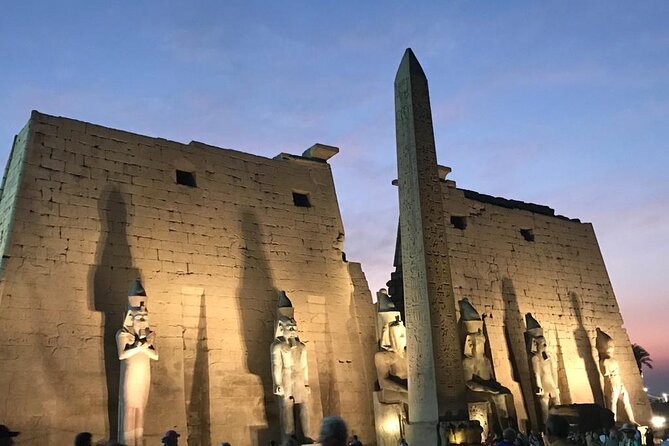
After Karnak, you head to Luxor Temple. You’ll spend around 1.5 hours. This is the kind of place where you can take nice shots in front of huge statues and an obelisk. It feels more approachable than Karnak because the overall visit time is shorter and the focus points are clearer.
The timing works well too. You’ve already done the balloon and then Karnak’s big scale. Luxor Temple becomes a satisfying closer: monumental, photo-friendly, and easier to process after the morning’s bigger structures.
What to expect: guided explanations that connect the temple’s features to ancient worship and royal presentation, then enough time to slow down and enjoy what you’re seeing.
Price and value: is $180 a fair deal for this 2-day package?
At $180 per person, this tour can feel like a bargain—or like a normal deal—depending on what you compare it to.
Here’s what pushes value up:
- Hot air balloon included (30 to 40 minutes), which is usually priced as a standalone experience in many destinations.
- All transfers included with hotel or Nile cruise pickup and drop-off in an A/C vehicle.
- Two-day guided sightseeing with an English-speaking Egyptologist.
- A small group cap (max 20), which often helps you avoid the awkward feeling of being herded.
What pushes value down slightly:
- Entrance fees are not included, and you’ll pay for each site by card.
- Tipping isn’t included, and you’ll also want to plan for lunch and drinks since food isn’t included (lunch is optional on the tour).
- Hotel accommodation isn’t included, so your total trip cost depends on where you’re staying already.
My take: if you want a structured, guided “best of Luxor” that includes a balloon ride, this is a strong way to spend your time. If you’re the type who hates early starts, you might find the balloon timing more painful than worth it. If you’re flexible and want the full Luxor story across both river banks, the price makes sense.
Who this tour fits best (and who should choose something else)
This is a great match if:
- You have two days and want the classic West Bank and East Bank highlights.
- You like learning with an Egyptology guide, not just walking through sites on your own.
- You want balloon views without trying to stitch together separate companies and schedules.
It may not be the best fit if:
- You need a slow pace or lots of free time between sites.
- You’re not comfortable with very early wake-up on balloon day.
- You need professional camera access for the balloon ride (it’s not allowed).
If you’re traveling with a family, pay close attention to the balloon rule (no children under 6) and the pregnancy restriction. For everyone else, this kind of structured plan is a clean way to make Luxor feel complete.
Should you book this 2-day Luxor best-of with a balloon?
Yes, if your priority is a guided, efficient Luxor in just two days—and if the idea of flying over the Nile at sunrise is on your list. The mix of Valley of the Kings, Hatshepsut’s temple, Karnak, and Luxor Temple is exactly what most first-time Luxor visits need, and the balloon makes the whole trip feel like more than another day of ruins.
I’d say book it if:
- You’re okay paying entrance fees separately by card.
- You can handle early morning pickup.
- You want a guide who explains what you’re looking at, especially in the tombs and temple spaces.
If your main goal is deep exploration of a single site over days, you might prefer a slower plan. But for a “best-of Luxor” experience that covers both banks with a balloon ride, this one is built for results.
FAQ
Is pickup and drop-off included?
Yes. The tour includes hotel or Nile cruise pickup and drop-off, with transfers provided by an A/C vehicle.
What is included in the price?
The package includes an English-speaking Egyptologist tour guide, all transfers, and a hot air balloon ride (30 to 40 minutes), plus the 2-day sightseeing circuit covering Valley of the Kings, Hatshepsut, Colossi of Memnon, Karnak, and Luxor Temples.
Are entrance fees included?
No. Entrance fees to the mentioned sightseeing are not included, and you’ll need to pay them by card.
What about food during the tour?
Food and beverages are not included. Lunch is optional in this tour.
Who can join the hot air balloon?
Most people can participate, but children less than 6 years are not allowed for the hot air balloon trip, and pregnant women are not allowed.
Are cameras allowed on the balloon?
A professional camera is not allowed for the balloon trip for security reasons. You can use your cellphone to take photos.
What happens if the balloon is canceled due to weather?
If the hot air balloon is canceled due to bad weather, you’ll be refunded 60 USD per adult and 50 USD per child.