REVIEW · LUXOR
Amazing 7 nights Nile cruise including Abu Simbel & Hot Air Balloon from Luxor
Book on Viator →Operated by Mody Egypt tours · Bookable on Viator
Hot air, ancient stone, and a slow Nile glide. I like that this trip bundles the big highlights into one flow, especially the hot air balloon and guided visits with an Egyptologist.
The second thing I really like is the human touch. Guides such as Mahmoud (Luxor) and Mustafa (on the cruise side) help keep the days organized, and the cruise itself gets solid praise, including mention of M/S Le Fayan. One key consideration: entrance fees aren’t included, and Abu Simbel is scheduled around 5am, so you’ll want to be ready for a very early start.
In This Review
- Key things you’ll notice right away
- Luxor to Aswan in one package: why this cruise feels like good value
- Getting oriented: pickup, cabins, and how the days are paced
- West Bank Luxor plus Valley of the Kings: the morning that kicks off everything
- Hot air balloon over Luxor: photos are great, but the real win is perspective
- Sailing toward Esna: a calmer day that still keeps the itinerary moving
- Edfu and Kom Ombo: horse and carriage plus two temple styles
- Aswan day: Philae Island, the High Dam, and the Nubian atmosphere
- Abu Simbel around 5am: the big detour that earns its place
- Sailing back toward Luxor: Nubian islands and a leisure day that matters
- Karnak and Luxor Temple on the final morning: wrap-up with big scale
- Price and logistics: what’s included, what costs extra, and what you should plan for
- Who should book this Nile cruise, and who might want a different style
- Should you book this Nile cruise?
Key things you’ll notice right away
- Hot air balloon over Luxor included, with early-morning timing for great photos
- Egyptologist guidance throughout the site visits, not just on paper
- Abu Simbel day trip early in the morning, built in as a core stop
- Temple-heavy schedule on both banks: West Bank Luxor, Edfu, Kom Ombo, Philae, Karnak, Luxor Temple
- Short, practical shore excursions like horse and carriage plus motor boats for river crossings
- Small group size (max 15 travelers), which usually means less waiting around
Luxor to Aswan in one package: why this cruise feels like good value
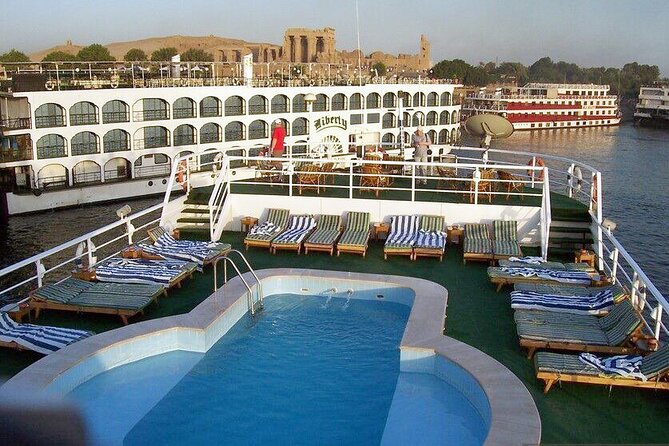
This is a 7-night Nile cruise built around archaeology, not just scenery. You get your room on the ship for a full week, plus most of the logistics wrapped up: pickup/drop-off by air-conditioned minibus, an Egyptology guide, and meals on board. When you add in that the itinerary includes both hot air balloon and an Abu Simbel excursion, the price starts to make sense as a bundle.
At $1,200 per person, you’re paying for more than transportation. You’re paying for the ability to see major sites on a schedule that’s hard to replicate on your own without extra planning and early mornings. The cruise rhythm also matters: you’re not constantly checking in and out of hotels, and the ship becomes your base between temple days.
One more practical point: meals are included starting with lunch and ending with breakfast on the last day. That reduces decision fatigue. After a day of walking and heat, it’s a relief to know dinner is already handled.
You can also read our reviews of more tours and experiences in Luxor.


Getting oriented: pickup, cabins, and how the days are paced
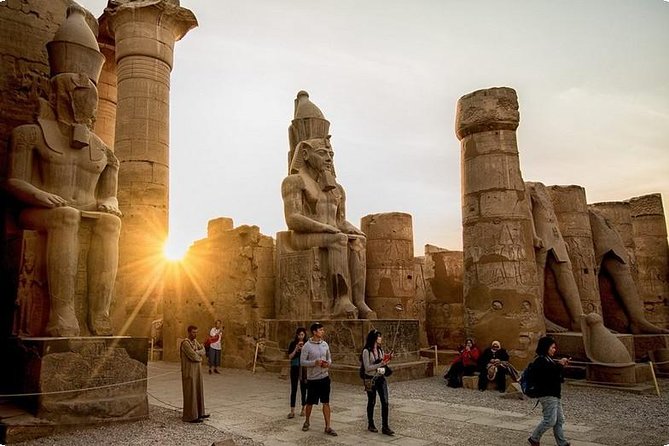
The tour includes pickup and drop-off by air-conditioned mini bus, and it runs with a small maximum group size of 15 travelers. In Luxor and Aswan, that’s meaningful. Roads can be hectic, and Egypt’s sites often involve timed coordination. A smaller group tends to move more smoothly.
Your cabin includes “all facilities,” and the cruise is marketed as a 5-star experience. In reviews, people singled out the cabin and the onboard food as positive points, with at least one mention of the ship name M/S Le Fayan. Even if you don’t focus on the ship luxury part, having a comfortable place to recharge between long site days is a big deal.
The itinerary is also designed with balance in mind. You get heavy sightseeing blocks, but they’re followed by sailing time. Sailing days give you a chance to rest without doing nothing. When the ship stops, you go out with the guide. When it’s traveling, you can stay flexible—sun deck, shade, and just watching life along the Nile.
West Bank Luxor plus Valley of the Kings: the morning that kicks off everything
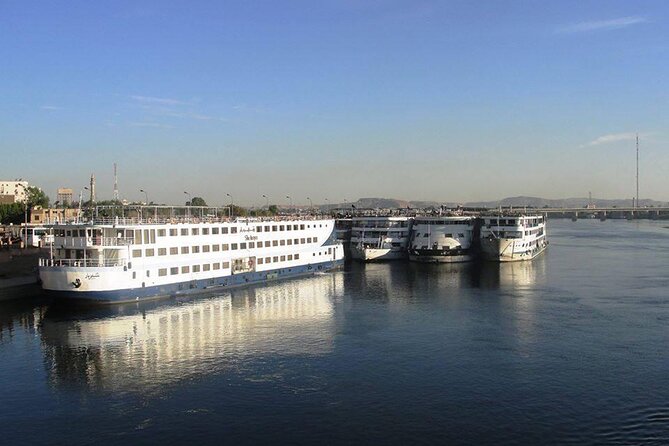
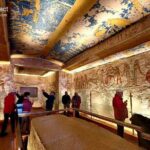
Day 1 starts on the West Bank, where Luxor’s big-name tombs and temples live. You’ll take a traditional motor boat to reach the West Bank area, then spend time at the Valley of the Kings with your Egyptology tour guide. This is one of those places where guided context helps you connect the dots fast: you see more than just stone facades. You start to understand how the Valley fits into the wider story of royal burial and temple building.
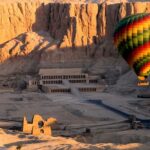
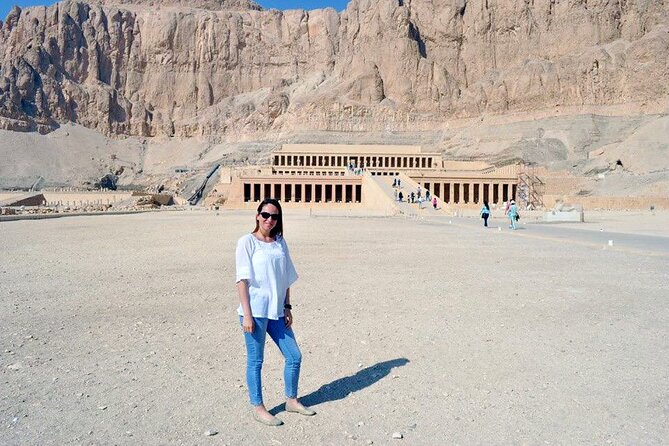
The West Bank program also includes the Temple of Queen Hatshepsut, plus time to visit Carter House, connected to Englishman Howard Carter and the discovery of Tutankhamun’s treasures. Afterward, you return to the East Bank to check in to the cruise and then have a chance to explore the old market of Luxor.
This matters because it gives you two kinds of Luxor on day one:
- ancient ritual spaces on the West Bank
- everyday local texture on the East Bank market
It’s a strong start, and it reduces the chance that you spend your first hours only being overwhelmed.
Hot air balloon over Luxor: photos are great, but the real win is perspective
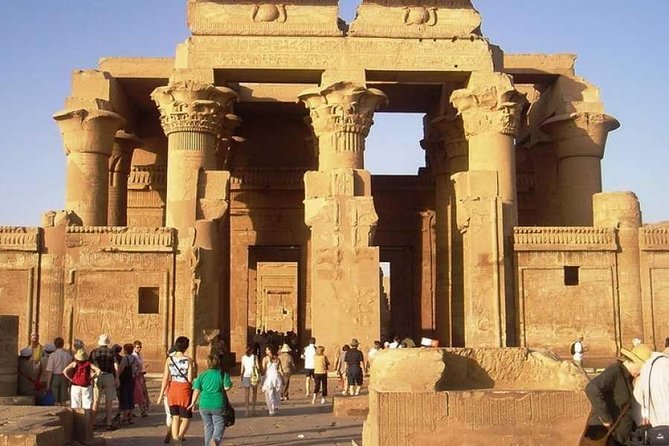
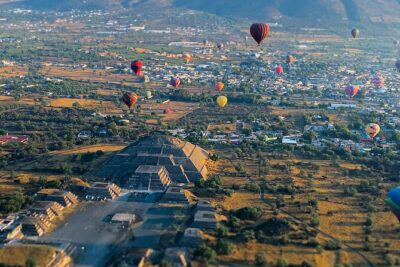
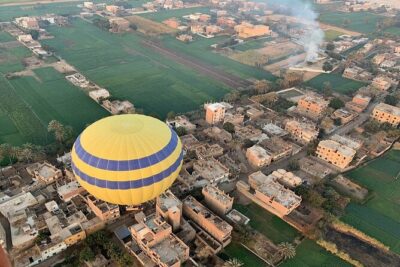
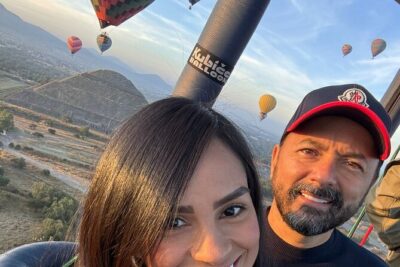
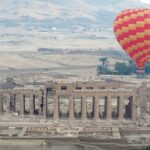
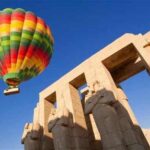
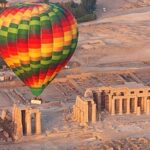
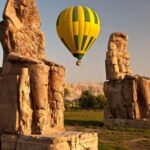
The hot air balloon ride is included, and the schedule is built around an early-morning flight. Day 2 specifically frames it as a life trip, and the whole point is getting a bird’s-eye view of Luxor along the Nile.
From the air, you’ll see why Luxor feels like two different worlds. The Nile slice of green and settlement contrasts with the West Bank’s desert edges and temple zones. You’ll also get a feel for how the river curves and how the ancient monuments are positioned relative to it.
Is it just about photos? The balloon is also a mental reset. After the balloon, the cruise starts sailing again, letting the rest of the day feel like a gentle continuation instead of another scramble.
If you’re traveling with kids, this is especially useful. In reviews, the balloon was called out as the highlight for children, which makes sense: it’s a “wow” moment that doesn’t require long concentration like some museum visits can.
Sailing toward Esna: a calmer day that still keeps the itinerary moving
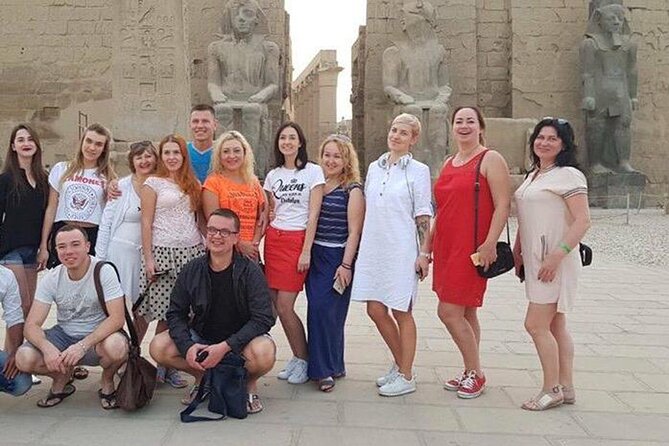
After the balloon on Day 2, the cruise resumes and heads toward Esna. You’ll sail past old villages and islands, with time to enjoy the view from the Nile river. There’s a real payoff here: instead of packing more sites into your already full schedule, this day gives your feet a break.
The ship passes Esna lock and arrives around the area of Esna by end of day, then spends the night there. That kind of stop isn’t just a transit detail. Locks are part of how the Nile navigation works, and watching the process can be oddly fascinating if you take a moment for it.
This is also the day you can better “pace yourself” for what’s coming next. You’ve seen a major West Bank set and then ballooned over Luxor. Now you get a break before Edfu and Kom Ombo.



Edfu and Kom Ombo: horse and carriage plus two temple styles
Day 3 brings Edfu early. You’ll stop in the city, then take a traditional horse and carriage to reach Edfu Temple. Even if you’ve seen other temples in Egypt, I like the Edfu stop because it feels more structured and monumental, and getting there by carriage turns it into a mini experience rather than just a shuttle ride.
After the Edfu visit, you sail toward Kom Ombo. You can relax on the sun deck with a drink while sailing, then visit the Kom Ombo Temple around sunset time. Sunset temple viewing can be a little magic, mainly because the light changes the feel of the carvings and walls.
After the temple visit, you return to the cruise for the night. This is a steady rhythm: temple in the day, sailing in between, then sleep on the ship.
Aswan day: Philae Island, the High Dam, and the Nubian atmosphere
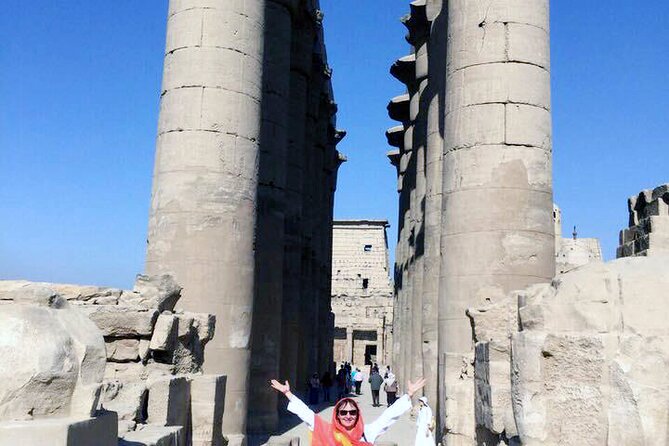
On Day 4, you reach Aswan, a place known for Nubian culture. After breakfast, you head to Philae Island Temple by motor boat. This is a good pairing: boat transport brings you into the setting, and the temple visit gives you the architecture plus the storytelling your guide provides.
Then you drive to see the Aswan High Dam, one of the modern engineering landmarks that shapes the region’s water and agriculture. It’s not ancient, but it’s part of why Aswan works as a living city beside the river.
Back on the cruise, you also get a chance to see the old market of Aswan. Markets are where you get that “I’m in the place” feeling, not just the museum feeling. It’s also useful for buying a few practical items if you’ve run out of sun protection, small snacks, or water.
Abu Simbel around 5am: the big detour that earns its place
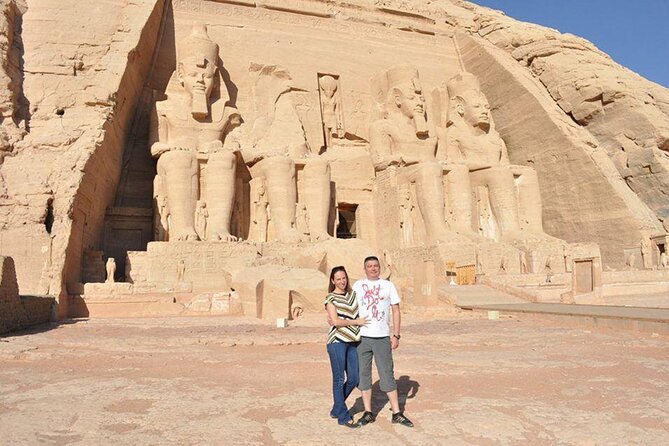
Day 5 is the earliest one on purpose: you’ll depart around 5am for Abu Simbel. If you care about Egypt’s most dramatic royal monuments, this stop is the reason many people book Egypt cruises in the first place.
The timing can sound brutal, but it’s common for a reason: it reduces the worst heat and helps you get the visit before the day fully ramps up. You’ll go back to the cruise afterward and continue the sailing overnight.
Practical advice: treat Abu Simbel like a separate “event.” Wear comfortable shoes, bring a light layer, and plan for photos but don’t turn it into a race. With an Egyptology guide, you’ll likely spend more time understanding what you’re seeing rather than just ticking boxes.
Also, keep in mind that while the trip is included, entrance fees aren’t included. Budget for that so the day stays stress-free.
Sailing back toward Luxor: Nubian islands and a leisure day that matters
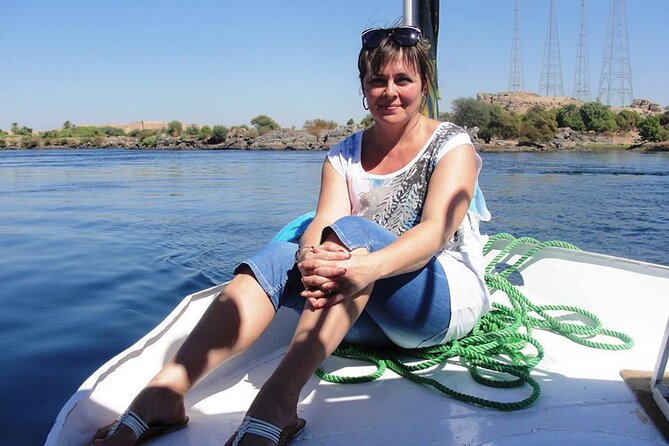
On Day 6, the cruise starts sailing again toward Luxor. You’ll have time for Nubian islands, villages, and green areas along the route. Even if you’ve been traveling since the first day, the change in scenery helps reset you. It also makes the cruise feel less like “transport between stops” and more like part of the experience.
Day 7 is a more relaxed day, described as leisure time and an overnight cruise. That day is important. The earlier you front-load temples, the more valuable rest becomes. If you’ve been walking in heat, this is where you can catch up on energy and take your time.
Karnak and Luxor Temple on the final morning: wrap-up with big scale
Day 8 ends with an east bank tour of Luxor. The big start is Karnak Temple, often described as the biggest temple in the world. You’ll then visit Luxor Temple.
This ending is smart. It gives you your last dose of monumental architecture in two concentrated blocks rather than spreading them too thin across the trip. If your feet are tired, you’ll still feel the scale because Karnak is the kind of place where even partial attention gives you value.
After the temple visits, the service ends.
Price and logistics: what’s included, what costs extra, and what you should plan for
Here’s the clean way to think about the money.
Included basics that reduce your planning load:
- 7 nights on the cruise (Luxor to Aswan, then back to Luxor)
- All onboard meals (lunch on day 1 through breakfast on the last day)
- Egyptology guide for the included sites
- Hot air balloon in Luxor
- Abu Simbel trip
- Motor boats for river crossings and a horse and carriage excursion
- Pickup and drop-off by air-conditioned mini bus
Not included:
- Entrance fees
- Tipping (recommended)
The value play is that the itinerary includes two of the cost-and-time heavy hitters: balloon + Abu Simbel. Many “Nile experience” packages sound similar, but when balloon and Abu Simbel are both included, it’s easier to plan around them without scrambling.
One more logistics note: the tour runs with a maximum of 15 travelers. That’s not just a comfort perk. It can reduce wasted time while waiting at pickups, during site transitions, or while the group regroups.
Who should book this Nile cruise, and who might want a different style
You’ll likely love this if you:
- want a temple-focused itinerary with guidance
- like the idea of sleeping on the water for a week instead of moving hotels
- value included big-ticket items like hot air balloon and Abu Simbel
- travel with kids and want at least one major “wow” moment (balloon fits that bill)
You might want to adjust expectations if you:
- hate very early starts (Abu Simbel is around 5am)
- want everything fully “pay once” with no extra costs (entrance fees and tipping are not included)
- prefer a fully independent itinerary where you control every timing detail
A cruise like this works best when you’re comfortable following a schedule and letting the guide handle the “how do we get there” questions.
Should you book this Nile cruise?
If you want an efficient, guided week on the Nile with the major highlights in place, I’d say yes, with two caveats: plan for entrance fees and accept that Abu Simbel starts very early. Those aren’t deal-breakers; they’re just part of what makes this itinerary worth doing.
Also, pay attention to the guide team. Reviews mention Mahmoud and Mustafa for organization and helpfulness, and seeing names connected to Luxor and Aswan legs suggests continuity in how the days are run. For most people, that’s what turns a list of monuments into a smooth trip.
If you’re aiming for one solid Nile experience that combines temples, markets, sailing views, and a balloon, this is a strong match.