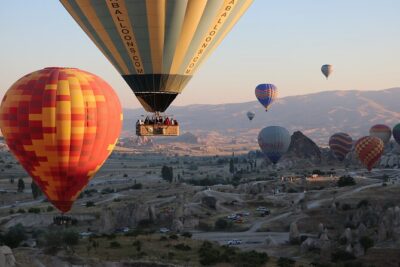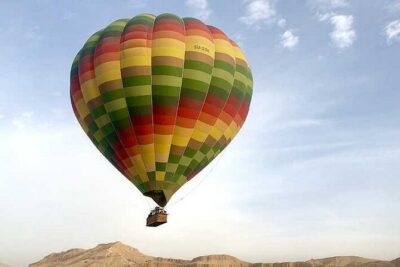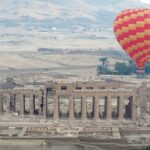
Ancient Egypt looks different from above. A hot-air balloon over Luxor kicks off the trip with sweeping views of the Nile and the temple-and-desert mix, and the Nile cruise keeps the pace sane while you hit major sites with an Egyptologist guide. I also love the way this route stacks both the big-name moments and the more unusual temples without feeling rushed.
The trade-off: some of these stops involve early starts and a lot of walking in heat. If you’re sensitive to that, plan for breaks, water, and sunscreen—especially on the temple days where shade can be hit-or-miss.
In This Review
- Key highlights at a glance
- A Luxor-to-Aswan cruise that keeps the story moving
- Day 1 in Luxor West Bank: Valley of the Kings, Hatshepsut, Colossi of Memnon
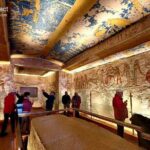
- Valley of the Kings (included)
- Temple of Hatshepsut at Deir el-Bahari (included)
- Colossi of Memnon (free)
- Day 2 East Bank + a Luxor hot-air balloon ride
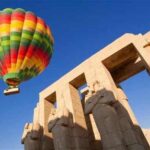
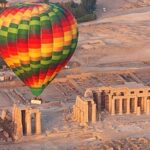
- Hot-air balloons over Luxor (included)
- Karnak Temple Complex (included)
- Luxor Temple (included)
- Day 3: Edfu’s Temple of Horus and the unusual double temple at Kom Ombo
- Temple of Horus in Edfu (included)
- Kom Ombo Temple (included) + lunch on board
- Day 4 early Abu Simbel: why this detour deserves a full day’s respect
- Abu Simbel Temple Complex (admission not included)
- Day 5 Aswan: Philae Temple by boat and the High Dam story
- Temple of Philae (included)
- Aswan High Dam (included)
- Price and value: what $799.33 buys you (and what it doesn’t)
- The practical stuff that affects your comfort
- Who should book this Nile cruise
- Should you book this tour?
- FAQ
- What is the duration and route of this tour?
- Where does the tour start and when?
- What is included in the cruise and meals?
- Does the tour include pickup and drop-off?
- Are admission tickets included?
- What about the hot-air balloon if weather is bad?
- Is this a private tour?
- What is the cancellation policy?
Key highlights at a glance
- Hot-air balloon over Luxor’s west bank with a 45–55 minute ride and included ticket
- Valley of the Kings + Hatshepsut at Deir el-Bahari on the west bank, both with admission included
- Karnak Temple Complex on the east bank, including the Hypostyle Hall area and sacred lake views
- Edfu and Kom Ombo as the Nile segments that make the cruise feel like more than transit
- Abu Simbel early visit (admission not included, but time with a guided experience is built in)
- Philae Temple + Aswan High Dam to round out the story at the southern end of the trip
A Luxor-to-Aswan cruise that keeps the story moving
This is the kind of Upper Egypt trip that works because it’s organized, not because it tries to cram everything into one frantic day. You sleep on a 5-star Nile cruise ship for four nights, eat onboard, and let a guide connect the dots between royal burials, temple theology, and the political muscle of later dynasties.
What makes it especially good value is that many of your entrances are included (and the hot-air balloon ticket is included too). For $799.33 per person, you’re paying for logistics that can get messy on your own—transport, timed sightseeing, and a guide who can explain what you’re looking at while you’re still standing there.
You can also read our reviews of more tours and experiences in Luxor.


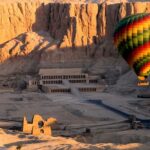
Day 1 in Luxor West Bank: Valley of the Kings, Hatshepsut, Colossi of Memnon
You start on the west bank, the side across from Luxor that Egypt used for royal burials and memorial temples. It’s a smart way to begin, because this area sets the emotional tone: tombs, statues, and sun-baked stone that once belonged to real power and real ceremony.
Valley of the Kings (included)
This was a royal burial ground used for about 500 years, from the 16th to the 11th centuries BC. You’ll spend about two hours here with admission included. The practical takeaway: don’t just rush through rooms. Take a slow approach, and look for how each tomb fits the landscape and the beliefs behind it. Even when tombs are small, the symbolism adds up.
Temple of Hatshepsut at Deir el-Bahari (included)
Hatshepsut’s mortuary temple is one of those places where architecture explains politics. You’ll get around two hours here with admission included. What I love about this stop is the way it shows a queen stepping into royal space—visually and politically. If you pay attention to the layout, you can “read” the temple like a designed stage.
Colossi of Memnon (free)
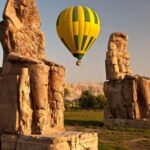
The two giant statues of Amenhotep III are quick—about 30 minutes—and admission is free. Still, don’t treat it like a pit stop. These statues are the surviving pieces of a much larger temple complex, which makes them a useful reminder that so much of Egypt’s past is now fragments. It’s short, but it lands.
Consideration: West bank sights often mean more uneven walking and more sun. Build in water breaks even if you’re tempted to keep moving.



Day 2 East Bank + a Luxor hot-air balloon ride
Day 2 is where the trip turns cinematic. You go up early for balloon views, then come back down to explore the two biggest temple “power centers” in Luxor: Karnak and Luxor Temple.
Hot-air balloons over Luxor (included)
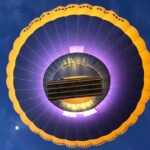
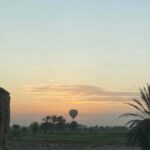
Pickup is early in the morning for a 45–55 minute balloon ride over Luxor’s west bank. This is the highlight for many people—and it’s easy to see why. From the air, the Nile doesn’t just look pretty; it shows you why these temples and tombs were built where they were.
One practical note: the tour includes a weather backup. If the balloon ride is canceled due to unfavorable weather, you receive a refund of $24 per person. So the risk is reduced compared with many balloon operators that simply disappear when weather turns.
Karnak Temple Complex (included)
You’ll spend about two hours at Karnak Temple Complex with admission included. This is the place where scale becomes the point. You’ll see key areas such as the Avenue of Sphinxes, the Hypostyle Hall with its 134 columns, obelisks, the Temple of Amun, lotus-and-papyrus decoration, and the Sacred Lake.
If you want to make Karnak easier on your brain, focus on three things:
- where the gods are being honored (Temple of Amun)
- how the building overwhelms you on purpose (Hypostyle Hall scale)
- how the symbols repeat through time
Luxor Temple (included)
Then it’s about two hours at Luxor Temple. This complex dates to around 1400 BCE and is known in Egyptian as ipet resyt, the southern sanctuary. Luxor Temple pairs nicely with Karnak because it feels more contained and human in comparison—still grand, but easier to process after the big-scale Karnak experience.
Day 3: Edfu’s Temple of Horus and the unusual double temple at Kom Ombo
By Day 3, the cruise portion starts to feel like part of the sightseeing rhythm, not just a floating hotel.
Temple of Horus in Edfu (included)
You’ll visit the Temple of Horus in Edfu after breakfast. You’ll spend about two hours here with admission included. This temple is described as well-preserved, and it benefits from a guide who can point out the meaning behind the carvings.
A smart way to enjoy Edfu: treat it like a story written in stone. When you learn who Horus is in the Egyptian religious world, the repeated symbols stop being random decoration.
Kom Ombo Temple (included) + lunch on board
Next is Kom Ombo, about 1.5 hours, with admission included. This is a double temple built during the Ptolemaic dynasty (with later Roman additions). The odd-but-fascinating part of Kom Ombo is how the site is structured around two divine “sides,” so you can see how different worship traditions were arranged in one place.
You’ll also have lunch onboard as the ship sails toward Aswan, then you sleep overnight in Aswan. That timing matters: it gives you a breather after temple walking without losing momentum.
Day 4 early Abu Simbel: why this detour deserves a full day’s respect
Abu Simbel is the famous one, and this tour treats it like more than a quick stop. The day is built around a guided visit in the early morning, followed by time back onboard.
Abu Simbel Temple Complex (admission not included)
You’ll spend about seven hours total here. The guided tour is included, and after you return, you transfer back for lunch. You’ll also have ship activities in the afternoon and dinner onboard, then sleep again in Aswan.
Important detail: Abu Simbel admission is not included, so check what you’re paying overall and budget for that separately if it isn’t covered by your package.
Why Abu Simbel feels worth it: the temples are monumental, and the scale hits differently in person than in photos. Even if you only remember a few facts after the day, you’ll still feel the “how did they do this?” reaction when you see how much stone work and artistry went into building these structures.
Day 5 Aswan: Philae Temple by boat and the High Dam story
Your final day keeps the tone reflective: finish with a major temple site, then pivot to a modern landmark that changed the Nile’s life for decades.
Temple of Philae (included)
After breakfast, you check out at 8:00 am and start with a guided day tour. You’ll take a boat trip to the Temple of Philae, dedicated to Isis, then continue with about two hours on the site with admission included.
This stop is a good closer because it shifts your attention from the royal tomb logic of the north to a temple dedicated to a major goddess figure. Philae often gives people that last emotional hit—the sense that the Nile wasn’t just a road for empires, it was the center of faith for centuries.
Aswan High Dam (included)
Next is the Aswan High Dam, about one hour with admission included. You’ll hear the big-picture story: built between 1960 and 1970, one of the world’s largest embankment dams, and when completed it was the tallest earthen dam in the world.
Even if you’re not a “dams and engineering” person, it helps to understand the Nile’s modern transformation. You’re basically watching history stack: ancient worship along the river, then modern control of the river’s water and flow.
Price and value: what $799.33 buys you (and what it doesn’t)
At $799.33 per person, you’re paying for a package that includes:
- four nights on a 5-star cruise ship, full board
- an Egyptologist speaking tour guide during excursions
- pickup and drop-off by air-conditioned car
- meals: breakfast (4), lunch (4), dinner (4)
- many admissions included, including Karnak, Valley of the Kings, Hatshepsut, and the hot-air balloon ride
- meet-and-greet service upon arrival and departure
- a mobile ticket
What’s not included:
- tipping for guides, drivers, and cruise crew
- Abu Simbel admission (explicitly not included)
- the balloon refund only applies if it’s canceled due to weather (and it’s a partial refund: $24 per person)
How I’d frame the value decision: if you’d rather avoid fighting transport schedules between multiple sites and you want explanations while you’re there, this price makes sense. If you’re the type who likes to self-drive, hunt tickets, and build your own day-by-day map, you could potentially do it cheaper—but it will cost you time, uncertainty, and usually the quality of the “what am I looking at?” guidance.
The practical stuff that affects your comfort
This kind of cruise-and-temple mix comes with predictable comfort needs.
- Start times matter. The balloon ride is early, and temples run best when you’re not arriving late. Expect an earlier wake-up than a beach vacation.
- Walking + heat. Even with air-conditioned car transfers, you’ll spend time outside at temple sites.
- Bring temple-friendly basics. Think water, sun protection, and shoes you don’t mind getting dusty.
- Your cruise ship helps you recover. After a big temple day, you’ve got onboard lunch, ship activities, and dinner without needing to plan anything.
- It’s private for your group. Only your group participates, which usually means fewer delays from strangers and fewer “everyone wait” moments.
Who should book this Nile cruise
This itinerary is a strong match if you want:
- a first-timer route from Luxor to Aswan that covers the major hits
- a guide-driven experience at Karnak, Edfu, and Philae (places where context changes everything)
- the balloon experience in Luxor, paired with classic west bank scenes
It may not be the best fit if you:
- hate early mornings
- prefer minimal walking and maximum downtime
- don’t want to budget separately for Abu Simbel admission
Should you book this tour?
If your goal is to see Luxor and Aswan’s most meaningful sites with organization and explanation, I’d say yes. The hot-air balloon is the kind of memory that lingers, and pairing it with Karnak plus west bank monuments makes the trip feel like more than a checklist.
Just go in knowing it’s active. If you pace yourself—water breaks, sunscreen, good shoes—you’ll come away with that rare feeling of Egypt history that still feels personal, not just seen.
FAQ
What is the duration and route of this tour?
The tour runs about 5 days, traveling from Luxor to Aswan. Along the way you’ll see stops including Edfu, Kom Ombo, and Abu Simbel, and you’ll finish with Philae and the Aswan High Dam.
Where does the tour start and when?
It starts in Luxor, with a listed start time of 12:00 pm.
What is included in the cruise and meals?
You get 4 nights on a 5-star Nile cruise with full-board accommodation. Breakfast, lunch, and dinner are included for 4 days each as listed (breakfast 4, lunch 4, dinner 4).
Does the tour include pickup and drop-off?
Yes. You get meet-and-greet service upon arrival and departure, plus pickup and drop-off by air-conditioned car for the excursions.
Are admission tickets included?
Many admissions are included for the listed stops, including the Valley of the Kings, Hatshepsut, Karnak, Luxor Temple, Edfu, Kom Ombo, Philae, and the High Dam. Abu Simbel Temple admission is explicitly not included.
What about the hot-air balloon if weather is bad?
If the hot-air balloon ride is canceled due to unfavorable weather conditions, you will be refunded $24 per person.
Is this a private tour?
Yes. Only your group will participate.
What is the cancellation policy?
Free cancellation is available. You can cancel up to 24 hours in advance of the experience for a full refund, and cancellation cut-off times are based on local time.