REVIEW · LUXOR
5-Day Luxor and Aswan Nile Cruise with Abu Simbel and Hot Air Balloon
Book on Viator →Operated by Roxana Travel · Bookable on Viator
There’s nothing routine about soaring over Egypt. This Luxor-to-Aswan Nile cruise mixes big-name archaeology with real comfort: hot-air balloon flight, early Abu Simbel, and the slow glide of the river between temples. I especially like how the day-to-day logistics are handled for you, and how the schedule leaves time to enjoy the ship instead of sprinting nonstop. One thing to keep in mind: very early mornings are part of the deal, and the balloon can be weather-dependent.
My favorite two parts are the tight grouping of the main sites—Valley of the Kings, Karnak, Edfu, Kom Ombo, Abu Simbel—so you don’t waste time on transfers, and the all-in planning that keeps you fed and moving. On top of that, the guides named in the trip experience (like Mohamed and Mahmoud) are a key reason the temples feel more than photo stops. The main possible drawback is that the experience is built around fixed departure times, so if you want a totally free-form pace, this style may feel a bit “organized.”
In This Review
- Key Highlights You’ll Care About
- Price and Value: What $714.26 Gets You
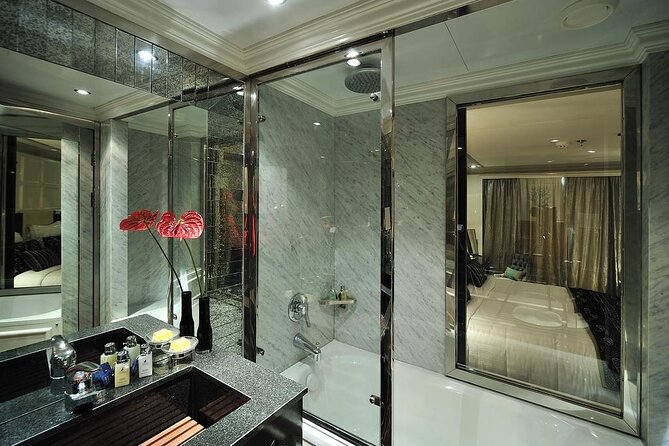
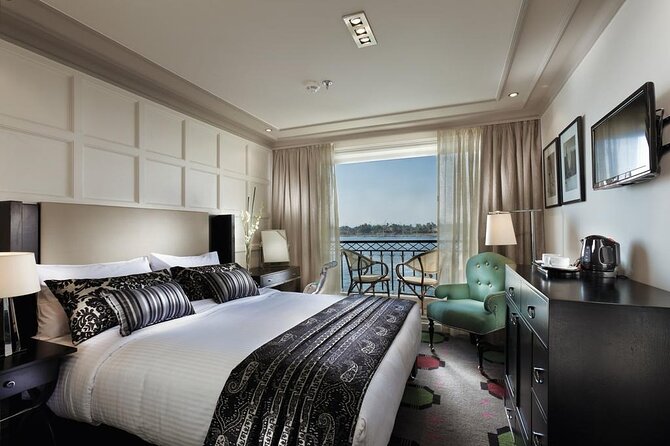
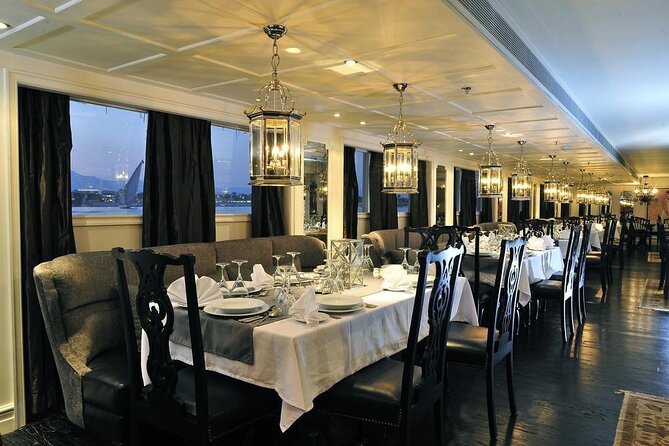
- Ship Comfort on the Nile: Luxury, Not Chaos
- Day 1 in Luxor’s West Bank: Valley of the Kings, Queen Hatshepsut, and Carter’s House
- Day 2: Hot-Air Balloon Over Luxor, Then Karnak and Luxor Temple
- Day 3: Edfu by Horse-Drawn Carriage and Kom Ombo at Sunset
- Day 4: Abu Simbel at 5:00 AM, Lunch Back on Track, and Aswan Market Time
- Day 5: Philae Temple Island and Aswan High Dam, Then Your Final Drop-Off
- How Small-Group Size Changes the Temple Experience
- Who Should Book This Cruise (and Who Might Want Something Different)
- Final Verdict: Should You Book?
- FAQ
- What’s included in the tour price?
- Are transfers included?
- Is the hot-air balloon ride included, and what happens if it’s canceled?
- Which major sites are visited on this cruise?
- Is there an entrance fee covered for the attractions?
- How long is the cruise?
- Is the group size limited?
- When does disembarkation happen on the last day?
- What’s the cancellation policy?
Key Highlights You’ll Care About
- Hot-air balloon over Luxor early, with a weather backup plan if it’s canceled
- Abu Simbel in the very early slot, then time to enjoy Aswan later
- Valley of the Kings + Hatshepsut’s temple on Luxor’s West Bank
- Edfu Temple by horse-drawn carriage before returning to the boat
- Small-group size (max 15) and an Egyptology guide included for the day’s context
Price and Value: What $714.26 Gets You
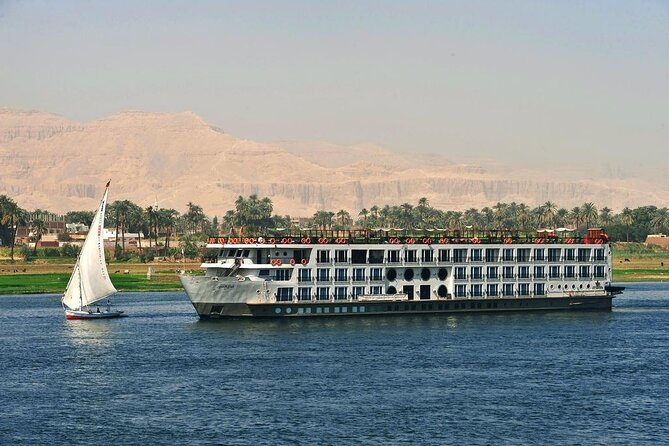
At $714.26 per person for about 5 days (4 nights on a 5-star cruise), this isn’t a budget cruise. The good news: the price is built to cover the stuff that usually adds up on your own—entrance fees for sightseeing between Luxor and Aswan, a qualified Egyptology guide, and meals (breakfast, lunch, and dinner across the days listed).
Also, you’re not just paying for a bed. You’re paying for a whole chain of time-saving moves: motor-boat crossings to the West Bank, a day-by-day plan for temple visits, and air-conditioned vehicle transfers when you’re off the ship. If you’ve ever tried piecing together Luxor and Aswan sites independently, you’ll recognize the real value here: fewer “where do we go next?” moments.
What’s not included is tipping. That’s normal for this kind of service, but it’s still a budget line. If you want a smooth trip, set aside some cash in advance so you’re not stressed at the end.
You can also read our reviews of more tours and experiences in Luxor.


Ship Comfort on the Nile: Luxury, Not Chaos
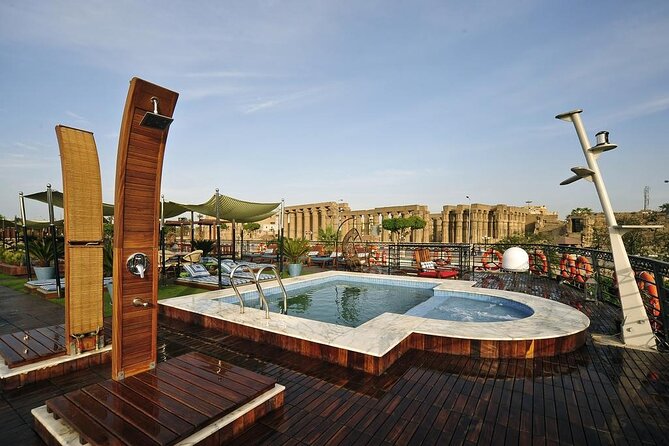
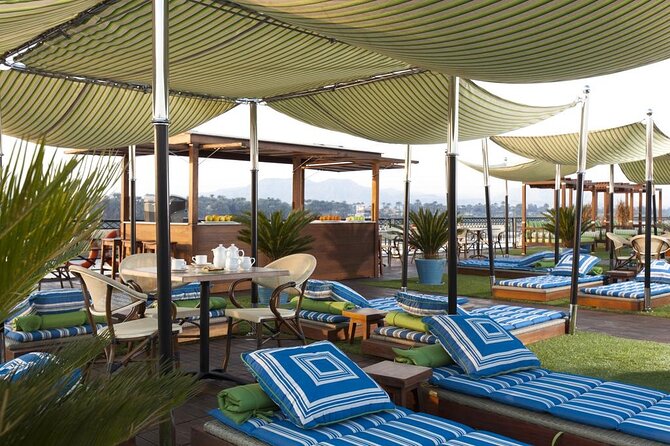
This cruise is designed to replace the usual hotel churn. Instead of checking in and out, you’re on the water for multiple nights, sailing between temple stops. That changes the feel of the trip right away: the river light, the deck views, and the simple rhythm of meals plus guided outings.
The schedule also makes ship time meaningful. After early departures, you return for rest and meals—especially on days like Abu Simbel, where the morning drive/visit is intense and the afternoon is recovery time. On other days, you still get sailing stretches, including passing the Esna lock, which can be a fun “watch how the Nile works” moment between monuments.
And yes, the experience keeps it comfortable with air-conditioned transport during the land portions. In Egypt’s heat, that small detail can be the difference between enjoying the day and feeling wrung out.
Day 1 in Luxor’s West Bank: Valley of the Kings, Queen Hatshepsut, and Carter’s House
Day 1 is all about the West Bank. After pickup with an Egyptology guide (you’ll travel with Mohamed in the itinerary description), you take a motor boat to cross over to the West Bank area. Then comes the star: the Valley of the Kings.
This visit is more than a list of tombs. It’s presented as a story of discovery—there’s even a narrated moment tied to Carter and the tomb opening, where you hear the idea of seeing through a small hole before the discovery. Even if you’re not a “history nerd,” that kind of framing helps you understand why these places changed what the world knew about Tutankhamun and royal burial practices.
Next is Queen Hatshepsut’s temple, a major stop for anyone who wants to see how power worked in ancient Egypt. The itinerary notes her as a first-lady figure in history, and that matters because Hatshepsut’s story is central to understanding why her temple is so impressive.
Finally, you get time linked to the explorer side of Egyptology with a visit connected to Carter’s house. That combo—ancient rulers plus the modern archaeologists who uncovered them—gives the West Bank a layered feeling. It’s also a logical day design: you tackle the most mind-bending parts first, while you’re still fresh.
A practical consideration: day 1 is described as around 7 hours. That’s a full day of walking and sun exposure. Wear shoes you can handle all day, and plan for a lot of bright light.
Day 2: Hot-Air Balloon Over Luxor, Then Karnak and Luxor Temple
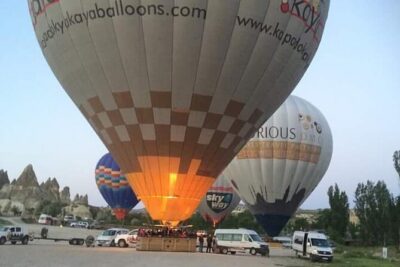
Day 2 has the most dramatic “wow” setup. You start with an early pickup to the marina and then motor-boat across to the West Bank for the hot-air balloon experience. This flight is scheduled as an early-morning activity, which is why the trip is built to move fast before the day heats up.
The balloon flight gives you something temples alone can’t: an aerial sense of where Luxor sits, how the Nile bends, and how the whole valley stretches. It also adds a break from the dust-and-stone rhythm—after the flight, you shift back into guided temple time.
After the balloon, the itinerary pivots to Karnak Temple, described as the largest temple in the world. Even if you’ve seen pictures, Karnak’s scale can feel like information overload unless you have someone guiding you through it. That’s where the included Egyptology guide helps you connect the dots instead of just standing and staring.
Then you visit Luxor Temple. After that, your cruise starts sailing. You’ll also pass the Esna lock as you head toward the next city, and that bit of moving infrastructure can be a surprisingly fun breather between major archaeological sites.
One drawback to flag: the balloon depends on weather. The experience notes that if the hot-air balloon is canceled due to bad weather, you’re refunded $25 per person. That doesn’t ruin the entire day, but it’s still something to plan around mentally—especially if balloon time is your number one reason for booking.
Day 3: Edfu by Horse-Drawn Carriage and Kom Ombo at Sunset
Day 3 moves the focus to Edfu and Kom Ombo, with a lot of “ancient Egypt, in layers” energy.
After breakfast, you head to Edfu Temple by traditional horse-carriage, then you return to the cruise. That carriage segment isn’t just a transport detail—it changes your pace and makes you feel like you’re traveling through the modern river towns with an older tradition still visible.
Edfu Temple itself is positioned as the next major temple block after Karnak, which creates an easy mental comparison. Karnak gives you scale and complexity; Edfu tends to read more like a structured “temple world.” With the Egyptology guide working with you, you’re less likely to see it as random stone.
Afterward, you sail along the Nile toward Kom Ombo. The itinerary also notes that you can enjoy a local drink on the cruise sun deck during sailing, which is a nice human touch in between structured visits.
Then you do Kom Ombo Temple around sunset. Sunset is a big deal here. Temples at low light don’t look like monuments—they look like places where people once gathered, watched, and worked under changing skies. It’s also a practical advantage: you’re less likely to feel overheated than at midday.
Expect this day to be around 4 hours in the schedule described. Even so, you’ll still want to keep water and sun protection in your routine.





Day 4: Abu Simbel at 5:00 AM, Lunch Back on Track, and Aswan Market Time
Day 4 is the one that forces you to wake up early on purpose: Abu Simbel Temple Complex starts around 5:00 AM. That early timing is usually chosen for lighting and flow, but regardless of the reason, it means the trip gives you the best chance to see Abu Simbel without fighting the day’s bigger crowds and heat.
The itinerary places the Abu Simbel visit as a full morning block, with return around 1:00 PM, then lunch time and rest. That rest window is important. Abu Simbel is far enough away and structured enough that you want the downtime after—not just more marching.
In the evening, you have a chance to experience Aswan’s local market. This gives the day balance: one side is monumental archaeology, and the other is everyday life where you can slow down and browse. Markets can be hit-or-miss depending on your interests, but even if you only spend a short time, it’s a good reset after a heavy morning.
Day 5: Philae Temple Island and Aswan High Dam, Then Your Final Drop-Off
Your final day is packed but still designed to finish strong.
First comes Philae Temple Island, reached by motor-boat across from the cruise area. Then you drive to see the Aswan High Dam. Those two stops together make sense: one is ancient sacred space; the other is modern engineering that shapes the river and life around it.
After sightseeing, you get a final transfer based on what you ask for: Aswan hotel, train station, or airport, plus the trip notes you’ll have time for photos with unbelievable memories. The key practical part: check-out/disembarkation is listed for 13:00 PM on the last day. That means plan your departure or onward travel time accordingly.
How Small-Group Size Changes the Temple Experience
This cruise caps at maximum 15 travelers. That’s not a random detail. It tends to reduce the “herding cats” feeling that can happen on larger tours. It also makes it easier for the guide to manage pace, answer questions, and keep everyone together on the walks between sites.
The group also matters when you’re doing early-morning activities. In a larger group, a late start can snowball. Here, the structure looks built to keep timing tight—especially for things like Abu Simbel and balloon time.
You’ll also see language about pickup offered, mobile ticket, and group discounts, which signals the tour is meant to run smoothly even when your group is made of mixed schedules and arrival patterns.
Who Should Book This Cruise (and Who Might Want Something Different)
This is a strong fit if you want:
- a comfortable Nile journey without living out of suitcases
- a plan that hits Luxor’s must-sees and Aswan’s biggest draw
- included meals and entrance fees so you don’t do cost math mid-trip
- at least one “seriously memorable” experience beyond temples, like the hot-air balloon
It may be less ideal if you:
- hate early mornings (balloon and Abu Simbel both start very early)
- want total free time every day, with no fixed start times
- need a highly flexible schedule—this trip runs on a tight sequence, which is the point
If you like guided context—someone connecting temple layouts and royal stories into something you can follow—this style works well. If you prefer to wander alone, you might find the structure a bit limiting.
Final Verdict: Should You Book?
I’d book this tour if you want the classic Luxor-to-Aswan route but with fewer moving parts and better pacing than DIY. The combination of major sites (Valley of the Kings, Karnak, Edfu, Kom Ombo, Abu Simbel) plus the balloon makes the trip feel like a true “best of” collection without turning into a nonstop sprint—mostly because sailing days and ship meals give you breathing room.
I would not book it if you’re especially sensitive to early starts or if you’d be upset by the possibility of the balloon being canceled due to weather. The $25 per person refund helps, but it won’t replace the flight in your memory.
If you’re choosing between tours, the decision comes down to one question: do you want your time arranged for you around Egypt’s top targets? If yes, this one looks like good value.
FAQ
What’s included in the tour price?
The tour includes 4 nights on a 5-star cruise, a qualified Egyptology guide, air-conditioned vehicle transportation during the trip, entrance fees to sightseeing between Luxor and Aswan, and meals: breakfast (4), lunch (4), and dinner (4).
Are transfers included?
Yes. Pickup is offered, and there are transfers during the trip. On the last day, you’ll be transferred to an Aswan hotel, train station, or airport according to your request.
Is the hot-air balloon ride included, and what happens if it’s canceled?
The hot-air balloon is part of the experience. If it’s canceled due to bad weather, you’ll be refunded $25 per person.
Which major sites are visited on this cruise?
You’ll visit Valley of the Kings, Queen Hatshepsut’s temple, Carter’s house (as described in the itinerary), Karnak Temple, Luxor Temple, Edfu Temple, Kom Ombo Temple, Abu Simbel Temple Complex, Philae Temple Island, and the Aswan High Dam.
Is there an entrance fee covered for the attractions?
Yes. Entrance fees to all sightseeing between Luxor and Aswan are included.
How long is the cruise?
It’s listed as 5 days (about 4 nights on board).
Is the group size limited?
Yes. The experience has a maximum of 15 travelers.
When does disembarkation happen on the last day?
Disembarkation is listed at 13:00 PM on the last day.
What’s the cancellation policy?
You can cancel up to 24 hours in advance for a full refund. If canceled less than 24 hours before the experience starts, the amount paid is not refunded. If the experience is canceled due to poor weather, you’ll be offered a different date or a full refund, and if the minimum number of travelers isn’t met, you’ll be offered a different date/experience or a full refund.