REVIEW · LUXOR
5-Day Cruise Tour from Luxor with Balloon Ride and Abu Simbel
Book on Viator →Operated by Adoro viajar a Egipto · Bookable on Viator
Ballooning over Luxor changes everything. This 5-day Nile cruise strings together the big-gauge ancient sites you came for, then adds an included hot air balloon ride over the West Bank so you see Luxor from the sky before the sun gets too hot. You’ll also sail in comfort between Luxor and Aswan, with guided temple visits that turn monuments into stories you can actually follow.
Two things I really like: the mix of five-star cruise comfort with guided stops at Karnak, Edfu, Kom Ombo, Philae, and more, and the way the trip doesn’t treat the balloon as a random add-on but as a central highlight. One heads-up to plan around: entrance fees and tips are extra, and Abu Simbel is an early-morning, long day (around 4:30 AM check-out).
In This Review
- Key highlights you’ll feel on this trip
- From Luxor pickup to a 5-star Nile ship: start smart
- Karnak and Luxor Temple: the holy, huge, and oddly personal parts
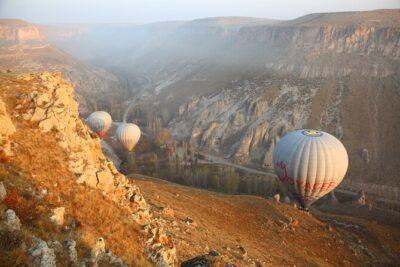
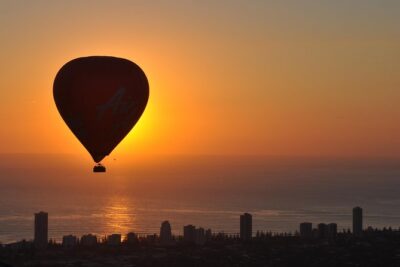
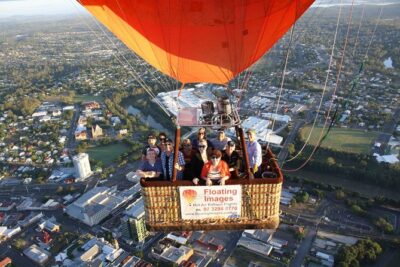
- Balloon over Luxor’s West Bank: the included morning that steals the show
- Deir el Bahari, Colossi of Memnon, and the Valley of the Kings
- Sailing to Edfu and Kom Ombo: two temples with different personalities
- Aswan High Dam and Philae Temple: the story behind the relocation
- Aswan nights: Galabyia party, folkloric show, and Nubian Village option
- Abu Simbel at 4:30 AM: the long day that can’t be skipped
- Price and what’s really included: value check before you go
- Who this Nile cruise suits best
- Should you book this Luxor-to-Aswan cruise with balloon and Abu Simbel?
- FAQ
- What does the trip include?
- How long is the cruise?
- How many nights do I stay on the cruise ship?
- Is the hot air balloon ride included in the price?
- Are entrance fees included?
- What about tipping?
- Is pickup included?
- What time do we leave for Abu Simbel?
- Is lunch included on the Abu Simbel day?
- What happens if the balloon can’t fly due to weather?
Key highlights you’ll feel on this trip
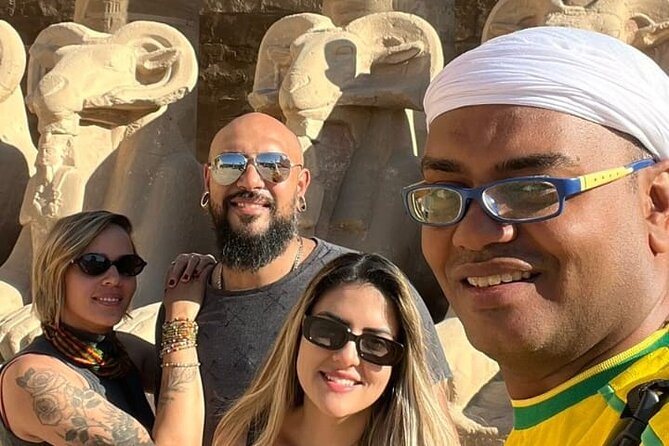
- Balloon flight over Luxor’s West Bank included, with a 40–60 minute air time window when weather allows
- Small group cap (max 20 travelers), which helps the day feel organized instead of chaotic
- Temple pairings that make sense together: Horus at Edfu, then Sobek at Kom Ombo
- Aswan’s High Dam + Philae Temple combo explains how modern engineering saved an ancient temple
- Abu Simbel built for early starters, returning to Aswan with a breakfast box since lunch isn’t included
- Full-board cruise days with onboard lunch/dinner and time to relax on deck between sites
From Luxor pickup to a 5-star Nile ship: start smart
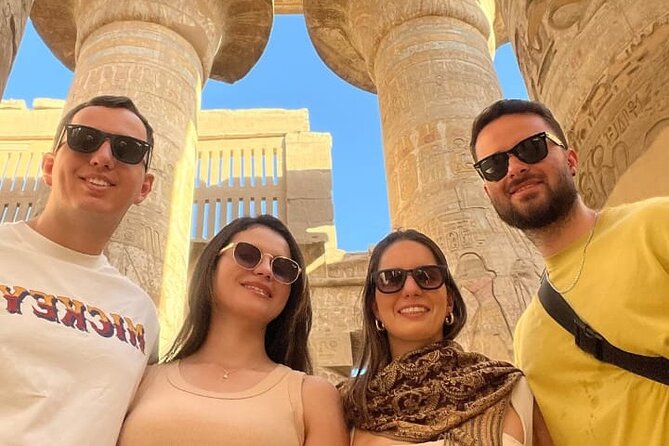
The trip begins the way you want it to: you get met up in Luxor and transferred to your Nile cruise ship. If you arrive early, you’ll start sightseeing right away instead of killing time in a hotel lobby. That matters in Egypt’s heat, and it’s also how you get ahead of the day’s crowds.
Once you’re aboard, the rhythm is simple. Morning is for walking and temples. Afternoon is for sailing, lunch, and deck time. You’re not trying to cram everything into late nights. And since it’s a cruise between Luxor and Aswan, you get that steady “we’re moving” feeling without having to manage trains or buses between towns.
One more practical bonus: the tour is built for a smooth flow with a professional guide and included ship meals. That reduces the number of “where do we go now?” moments, which is how you keep the trip from feeling like a scavenger hunt.
You can also read our reviews of more tours and experiences in Luxor.


Karnak and Luxor Temple: the holy, huge, and oddly personal parts
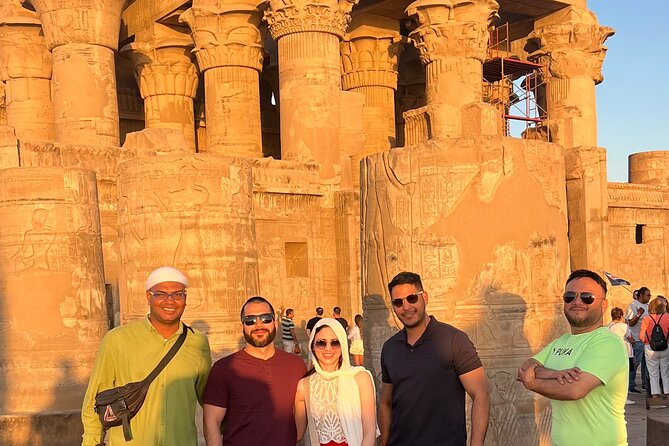
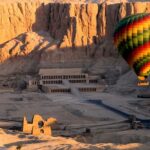
Karnak is the kind of place that makes you stop talking. The scale alone is enough to humble anyone. You’re looking at a temple complex that covers about 247 acres, built up over time by pharaohs who wanted to put their mark on eternity.
What makes Karnak special on a guided day is that you’re not just looking at columns and walls. You’re getting help reading the symbolism and the layout. You also get a realistic sense of why this place served as a major religious center—its size wasn’t an accident. It was the whole point.
Then you move to Luxor Temple, built by Amenhotep III and Ramses II. It’s less about “how big can it get” and more about atmosphere—ritual space and the feeling of a working monument. Luxor Temple gives you a different texture than Karnak, and I like that the two together show both the mega-complex and the more focused ceremonial side of ancient Egyptian life.
Tip for your visit: wear shoes you can walk in for a while. Even with guides, you’ll still be on your feet for multiple temples across several days, and good footwear keeps the trip fun instead of sore.
Balloon over Luxor’s West Bank: the included morning that steals the show

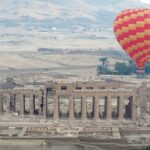
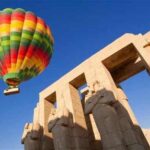
The hot air balloon ride is scheduled early in the morning over Luxor’s West Bank. It’s about 40–60 minutes in the air, and the goal is simple: calm light, better viewing, and cooler conditions so you can actually enjoy the experience.
From ground level, Luxor can feel like a jumble of ruins and modern streets. From the balloon, it clicks. You see how the West Bank sits across the river, how the temple areas relate to the city, and how the ancient sites spread out over a wide area.
Also, this is the kind of included experience that justifies the overall value of the trip. A standalone balloon ride in Egypt can be pricey; here it’s built into the package, so you’re not negotiating add-ons later.
Weather note (important): this experience requires good weather. If conditions aren’t right, you’ll have to adapt. Plan your expectations around that early-day timing, especially if you’re traveling on fixed dates.
Deir el Bahari, Colossi of Memnon, and the Valley of the Kings
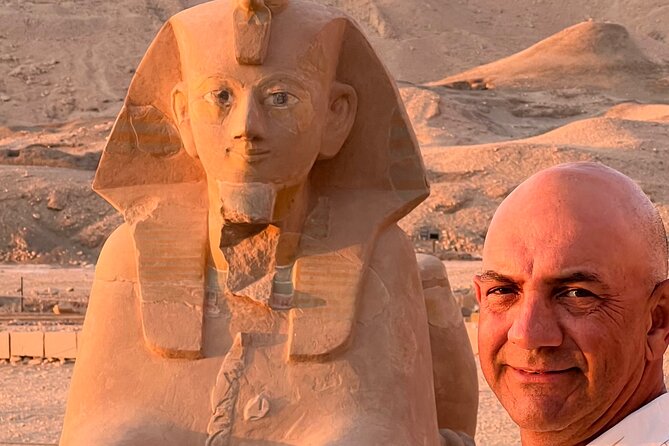
After ballooning, the itinerary keeps the momentum. You head to Deir el Bahari to see the Temple of Hatshepsut. This is one of those temples that feels “planned” even though it’s ancient. The layout is on three levels with wide ramps, and it’s one of Egypt’s best-preserved sights. I like this stop because it’s beautiful without being confusing. You can see the design choices, and your guide can connect them to the story of Hatshepsut’s reign.
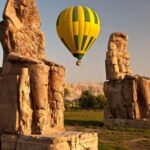
Next come the Colossi of Memnon—giant stone statues of King Amenhotep III. They’re described as the remnants of a larger mortuary temple, and the key word is remnants. You get just enough to imagine the original complex, and that’s often the best way to appreciate archaeology: it teaches you to see what’s missing, not just what remains.
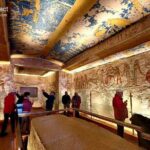
Then you reach the Valley of the Kings, with time to explore the complex and see tombs and resting places of notable kings such as Merneptah, Ramesses III, and Ramesses VI. This is a longer block on the schedule (about 3 hours), and it’s one of the stops where a guide can make a huge difference. Tombs can feel similar if you don’t know what you’re looking for. With guidance, you start catching details that turn a “dark room” into a meaningful ritual space.
Plan for sun and dust even in the morning. Bring water and a hat. And if you have a sensitive back or knees, take short breaks. Temple time adds up faster than you think.
Sailing to Edfu and Kom Ombo: two temples with different personalities
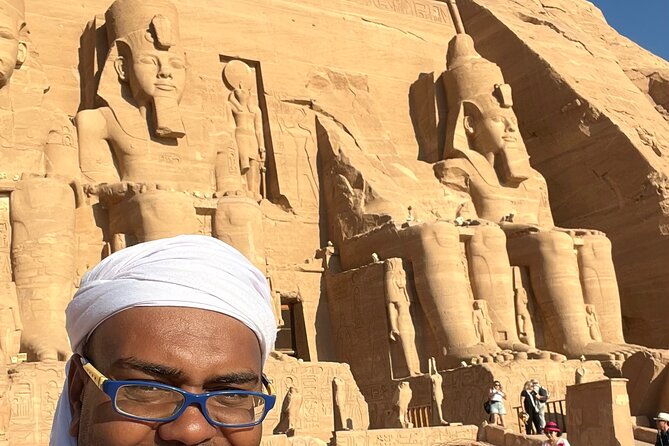
After your Luxor-side visits, the cruise sails through the Esna Lock toward Edfu. This is one of the nicer day-to-day transitions: you get onboard lunch, time on the sundeck, and the simple pleasure of watching the river change around you.
Edfu Temple is dedicated to Horus, and it’s often described as the most well-preserved temple in Egypt. It’s a Ptolemaic temple built between the reigns of Ptolemy III, sitting on the site of an earlier one. Inside, the walls relate the myth of the contention between Horus and Seth. The point for you: it’s not random decoration. It’s a religious drama written into stone.
Then you sail onward to Kom Ombo, and the tone shifts again. Kom Ombo’s temple is dedicated to the crocodile god Sobek and also Horus the Elder. The stop is especially interesting because of how it sits on the riverbank between Edfu and Aswan. It feels like the temple was designed for visitors arriving by boat.
A good guide will connect the two temples so they don’t feel like separate stops. They’re linked by the religion and the way Egyptian myth was kept alive across time.



Aswan High Dam and Philae Temple: the story behind the relocation
Aswan days give you a break from temple-only touring. The first big stop is the Aswan High Dam, an engineering project completed in 1960. The dimensions are huge: 3600 meters long, 980 meters thick at the base, and 111 meters tall at the highest point. Beyond the numbers, the dam’s role is explained as controlling Nile flooding and generating electricity, with Lake Nasser behind it as a massive man-made lake.
Why this matters on a history trip: it’s not just modern infrastructure plopped into an ancient setting. It’s the reason a famous temple had to be moved to survive.
Right after the dam comes Philae Temple, accessed by short motorboat ride to Aglika Island. This is the Greco-Roman temple dedicated to goddess Isis. Philae is famous for its picturesque setting—and for the fact that it was relocated after the High Dam threatened to submerge it permanently.
If you want one “wow” comparison, this stop gives it. You’re literally watching how ancient religion adapted to modern decisions. The temple flourished during the Ptolemaic period as a center for the cult of Isis, and it remained active even as Christianity spread, officially closing in 551 AD. Later, parts of the temple were repurposed as a Christian church.
That timeline makes Philae feel layered, not just old.
Aswan nights: Galabyia party, folkloric show, and Nubian Village option
Your Aswan evenings are built for downtime plus culture. After sailing and temple time, you’ll enjoy dinner onboard and then a Galabyia party. This is a nice contrast to the structured museum feel of temple days. You get a more relaxed vibe without leaving the program.
On the next night, there’s a folkloric show included. And there’s an optional tour to Nubian Village if you want to go off-script a bit and see another side of the region.
If you’re the type who likes to recover between big days, these onboard and nearby evening events are perfect. They help you avoid the travel-fatigue trap where you’re always going, always tired, always missing the point.
Abu Simbel at 4:30 AM: the long day that can’t be skipped
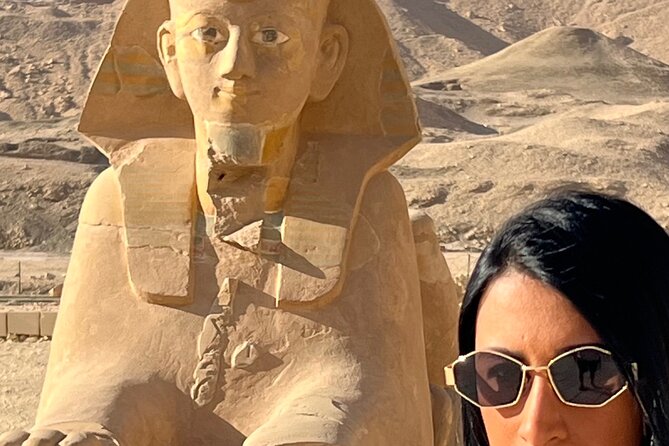
Abu Simbel is scheduled as a shared small-group trip with pickup from your cruise around 4:30 AM. This start time is non-negotiable because you want to reach the temples with the right light and manage the long road day.
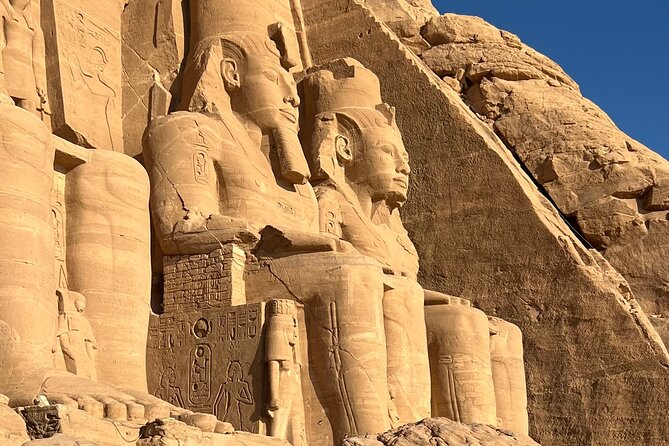
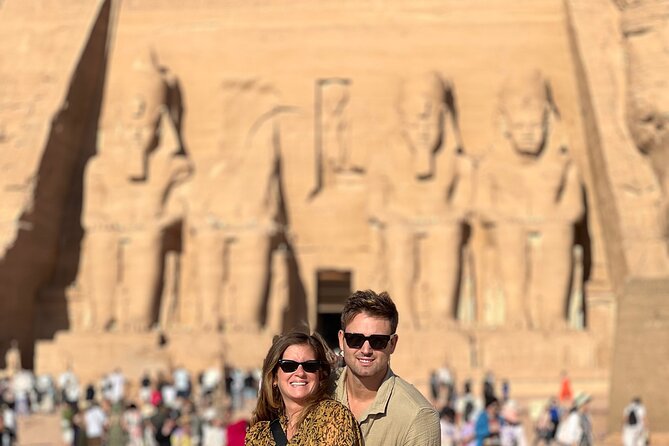
Abu Simbel itself is one of Egypt’s most iconic sights: rock-cut temples commissioned by King Ramesses II and his beloved Queen Nefertari. The temples are described as masterpieces of New Kingdom architecture. Even if you’ve read about them, seeing them in person hits different because the sheer scale and precision are hard to mentally scale down.
The program notes about timing matter for your expectations. This is around a 9-hour day, and lunch isn’t included. You’ll get a breakfast box for the journey, so you’ll want to plan what you eat after you return to Aswan.
What I like about including Abu Simbel in this cruise package is that it solves a problem most independent travelers face: getting there can be a logistical headache. Here, you’re handled start to finish with the transfer back to Aswan after the visit.
Price and what’s really included: value check before you go
The price is $1,200 per person for about 5 days with 4 nights aboard a five-star Nile cruise on a full board basis. Full board here includes breakfast, lunch, and dinner across the cruise days, which is a real value factor. It also means less budgeting stress for meals during the cruise portion.
The other major value driver is that key experiences are included:
- Hot air balloon ride over Luxor (West Bank)
- Professional guide
- Pickup (airport pickup is listed as included)
- Assistance of personnel during your stay and excursions
- Mobile ticket
What’s not included is straightforward:
- Entrance fees listed as about $40
- Tipping
My practical takeaway: this package is worth considering if you want a guided, low-friction version of Luxor-to-Aswan that still includes the headline experiences. If you’re the type who loves building your own schedule and negotiating your own transportation, you might find cheaper options. But if you want the “I just show up” version with guiding and transfers handled, this price starts to make sense.
One more thing: the group limit is max 20 travelers. That’s not huge, and it keeps the experience feeling more personal than a big bus tour.
Who this Nile cruise suits best
This tour fits well if you want:
- The classic Egypt circuit in a neat time window (Luxor, Edfu, Kom Ombo, Aswan)
- A balloon ride without having to add it later
- Guided temple visits that keep you oriented
- Cruise comfort with onboard meals so you don’t spend every day managing logistics
It’s especially good for couples and first-time visitors who want to see a lot without turning the trip into homework. If you love temples but also like some evening culture and downtime, the schedule hits that sweet spot.
If you hate early mornings, Abu Simbel may be a dealbreaker. The 4:30 AM start is the one part that won’t let you sleep in.
Should you book this Luxor-to-Aswan cruise with balloon and Abu Simbel?
I’d recommend booking if you’re looking for a smart mix of comfort, famous sites, and one unforgettable extra: the Luxor balloon ride. The included guide and full-board cruise setup reduce the usual Egypt planning friction, and the itinerary covers the major religious and royal monuments you’d otherwise spend time researching and piecing together.
I wouldn’t rush to book if you’re trying to keep the trip ultra-budget. Entrance fees and tips are extra, and the overall value depends on you actually using what’s included (balloon, guided visits, cruise meals). Also, Abu Simbel is a demanding day, so check your energy level before you commit.
If you want the easiest route to a big Egypt hit, this one is built for that.
FAQ
What does the trip include?
It includes a hot air balloon ride, airport pickup, accommodation for 4 nights on a 5-star Nile cruise with full board, a professional guide, and meals during the cruise days.
How long is the cruise?
It’s described as 5 days (approx.).
How many nights do I stay on the cruise ship?
You stay for 4 nights on the cruise.
Is the hot air balloon ride included in the price?
Yes. The balloon ride over the Luxor West Bank is included.
Are entrance fees included?
No. Entrance fees are listed as about $40.
What about tipping?
Tipping is not included.
Is pickup included?
Yes. Pickup from the airport is included.
What time do we leave for Abu Simbel?
You check out from the cruise ship around 4:30 AM for the Abu Simbel visit.
Is lunch included on the Abu Simbel day?
Lunch is not included on the Abu Simbel day, but you are provided a breakfast box.
What happens if the balloon can’t fly due to weather?
The experience requires good weather. If canceled due to poor weather, you’ll be offered a different date or a full refund.