REVIEW · LUXOR
3 nights Luxor and Aswan Nile cruise with Hot air balloon,Abu Simbel from Luxor.
Book on Viator →Operated by Here Egypt Tours · Bookable on Viator
Watching Luxor from above changes everything. This Luxor-to-Aswan cruise stacks the big-name temples with a hot-air balloon ride and an Egyptologist guide (we saw how helpful guides like Ahmed can be), plus door-to-door transfers so you are not stuck figuring out logistics. One thing to keep in mind: entrance fees aren’t included, and the balloon or Abu Simbel can be weather-cancelled (with a $30 per person refund if that happens).
What really makes this feel good is how much is handled for you. You get 3 nights on a 5-star cruise with onboard meals (and even a pool and entertainment), then guided temple days that follow a clear plan along the Nile. At $498 per person, it is a strong value for the mix of cruise time, guided sightseeing, and the headline extras—just budget for sites you still need to pay separately once you arrive.
In This Review
- Key highlights at a glance
- Luxor East and West Banks: why this mix works
- Day 1 on the move: Valley of the Kings and Hatshepsut, then straight to the Nile
- Hot-air balloon sunrise: the big wow moment in Luxor
- Karnak and Luxor Temple on the East Bank: the daylight version of magic
- Overnight cruise and sailing rhythm: what days 2 and 3 actually feel like
- Edfu by horse and carriage: a fun way to see the temple approach
- Kom Ombo at sunset: the temple-light payoff
- Day 4: Abu Simbel at about 5 am, then Philae and the High Dam
- Onboard life: 5-star cruise cabins, meals, pool, and real comfort
- Your guide and timing: where organization makes or breaks the trip
- What you should budget for: entrance fees, drinks, and the extras
- Who this tour suits best
- Should you book this Luxor to Aswan cruise?
- FAQ
- What does the tour include?
- How long is the tour?
- Are entrance fees included?
- What about drinks, water, and Wi-Fi on the cruise?
- Is pickup included?
- Do I need extra payment for West Bank hotels?
- What happens if the hot-air balloon is cancelled due to bad weather?
- What happens if Abu Simbel is cancelled due to bad weather?
- Is the camera allowed during the balloon ride?
Key highlights at a glance
- Hot-air balloon over Luxor’s West Bank for sunrise views over the Valley of the Kings area
- Egyptologist guide time on both East and West Banks so the temples make sense, not just look impressive
- 5-star cruise with full onboard meals plus pool and onboard entertainment
- Edfu by carriage, then Kom Ombo at sunset for two very different river-temple moods
- Abu Simbel at about 5 am plus Philae and the High Dam on the Aswan finish day
Luxor East and West Banks: why this mix works
Ancient Egypt is not one museum. It is two sides of the same story—literally. This tour gives you Luxor’s East Bank temples plus the dramatic West Bank tomb-and-memorial zone, and that pairing helps your brain connect the dots fast.
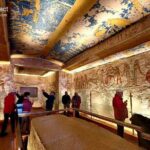
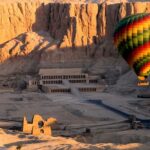
On Day 1, you start with the West Bank by motor boat, then focus on the biggest West Bank hit first: the Valley of the Kings. Even if you only see one or two tombs, the setting does a lot of storytelling. The cliff face, the layout of the valley, and the idea of royal burials hidden from everyday life all land differently once you are standing there instead of reading about it.
Then the tour moves to Hatshepsut’s Temple (Day 1). This matters because it is not just another ruin stop. You get context for who Hatshepsut was and why her temple still feels purposeful and human—less like a random stop, more like a leadership statement in stone. If you like when a guide turns ancient facts into something you can picture, this is the day where that payoff starts.
One practical note: West Bank days are busy, and you will be walking. If you know you get tired fast, plan to take water breaks without feeling guilty. The schedule is packed, but it is meant to be doable.
You can also read our reviews of more tours and experiences in Luxor.


Day 1 on the move: Valley of the Kings and Hatshepsut, then straight to the Nile
Day 1 is built like a classic Luxor opener: a targeted West Bank tour, then back to the boat life.
You are picked up on time, then brought down to the Nile for a motor-boat ride to the West Bank. From there, the tour calls on the Valley of the Kings and then Hatshepsut’s Temple. The pacing is simple: see, learn, walk, take photos, then go back toward the cruise.
What I like here for value is that the cruise is not just sleeping and eating. You transition from land sightseeing to river cruising quickly, so you feel like you are making progress twice a day—temples by day, Nile by late afternoon.
Hot-air balloon sunrise: the big wow moment in Luxor
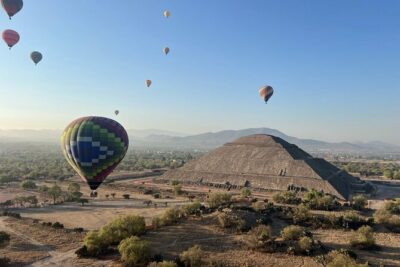
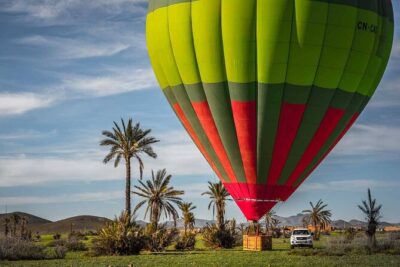
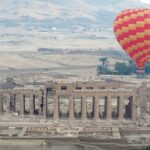
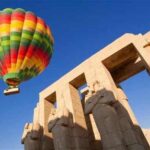
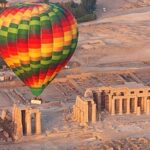
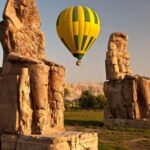
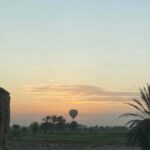
Day 2 starts early for a reason. The highlight is a hot-air balloon trip over Luxor—and it is timed for the calm, early light that makes the whole valley-and-temple area look unreal.
You get an early pickup and a motor-boat transfer to the balloon area on the West Bank side, then you launch into the sky above Luxor. This is the kind of experience that changes your mental map. From the air, the valley layout makes more sense. The “why here, not there” of tomb placement suddenly clicks.
Two small details matter for your comfort and planning:
- Camera is not allowed in the balloon basket. Cellphones are allowed for photos.
- Children under 6 are not allowed for the balloon trip.
If weather causes a cancellation, the tour notes you will receive a $30 per person refund for the balloon portion. It is not a total lost day if that happens, but it is still worth keeping a flexible attitude early in your itinerary.
I also appreciate the tour’s structure here: balloon first, then temples later. That keeps you from feeling like you spent your entire day in transit. Once you land, you head to the East Bank highlights.
Karnak and Luxor Temple on the East Bank: the daylight version of magic
After the balloon, you shift to the East Bank with two major anchor stops: Karnak Temple and Luxor Temple.
Karnak is huge, and being guided helps. You do not just see columns—you get the meaning behind the layout and why certain sections feel more important. The tour describes Karnak as the largest temple in the world, and even if you never remember the exact counts later, you will remember the scale and how it makes you feel small in the best way.
Then comes Luxor Temple. Compared with Karnak, it feels more intimate—still monumental, but closer to what you might expect as a single main temple complex. It is a smart pairing: Karnak gives you the cosmic grandeur, Luxor Temple gives you the human-sized counterpart.
After the temple time, your cruise starts sailing. You get natural scenery as you move through the river corridor, including villages and green stretches along the way, then a pass through the Esna lock. These moments between big monuments can be surprisingly relaxing. You are not always in full-on museum mode.
Overnight cruise and sailing rhythm: what days 2 and 3 actually feel like
This itinerary is built around a simple rhythm: morning temple hit, afternoon sailing, evening temple (when the light is best), then onboard downtime.
Day 2 ends with sailing toward Edfu, with an overnight cruise. Day 3 continues from there and adds two very different temple experiences: Edfu first, then Kom Ombo later as the sun starts to lower.
Meals are also a big part of why this works. The schedule calls for breakfast, lunch, and dinner onboard on these longer days, so you are not constantly hunting down food in the heat. On a Nile cruise, that full-day coverage is practical travel sanity.


Edfu by horse and carriage: a fun way to see the temple approach
On Day 3, you visit Edfu Temple, and the tour includes a traditional horse and carriage ride to reach the site.
This is one of those inclusions that is not just a transport detail. The carriage adds atmosphere and a different pace than walking in a crowd. You also get the feeling that you are stepping into local rhythm rather than just transferring between big-ticket ruins.
At Edfu, you will see another major temple complex. It also gives you time to compare temples across the itinerary. By this point, you have already toured West Bank tomb space and East Bank temple space, so Edfu lands with context.
From there, you return to the cruise and continue sailing. The tour even mentions Egyptian tea during sailing and taking photos of local views and islands. This is the “slow down” pocket inside a packed trip.
Kom Ombo at sunset: the temple-light payoff
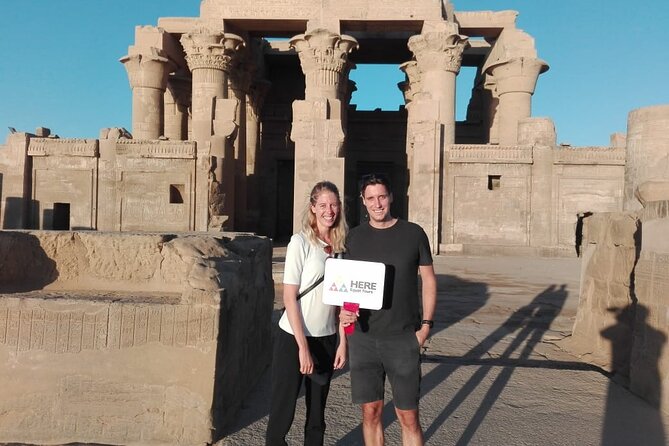
As Day 3 moves toward evening, you visit Kom Ombo Temple around sunset time.
Sunset is a smart slot for temples. The shadows change the look of carvings and columns, and the river air cools things off after the day’s heat. Kom Ombo also helps round out your understanding of how temples are placed along the Nile corridor.
After Kom Ombo, you keep sailing toward Aswan, and you spend the night onboard.
Day 4: Abu Simbel at about 5 am, then Philae and the High Dam
Day 4 is the intense finale day. You disembark with breakfast, and you start around 5 am for Abu Simbel.
Abu Simbel is famous for a reason, but the tour’s timing is what makes it work: early morning helps you beat crowds and get the site under better conditions. The logistics are clear: a drive out from Aswan, then a return around 1 pm.
After you return, you go by motor boat to Philae Island Temple. Important: the tour data lists motorboat to Philae Temple as not included, so you should expect to pay that on the day.
Then you visit the High Dam and finish with transport back into Aswan—airport, train station, or hotels. Your day ends around 4 to 5 pm, so evening departures are the easiest.
This is also where your packing choices matter. You start early, then you finish with afternoon travel. Light layers help, and you will be glad you planned for the day’s long rhythm.
Onboard life: 5-star cruise cabins, meals, pool, and real comfort
This cruise includes 3 nights in a 5-star cabin with all facilities, plus onboard meals and amenities.
The best practical perk is food coverage. The tour states meals start with lunch on the first day and run through dinner, then breakfast on the last day. That means you spend less mental energy figuring out where to eat after long temple days.
It also includes cruise facilities, including a swimming pool and entertainment. That is not just fluff. After hours of walking and sun, having a simple option to cool off and unwind helps you keep enjoying the next day’s sights.
Cabin notes: one negative case in the review feedback involved a cabin with flooding and a bad smell, and the family was moved to another cabin. That is not the norm you should expect, but it is a good reminder: if you arrive and something feels off, say something early and ask for a fix or room change fast. Don’t wait until you are fully miserable.
Your guide and timing: where organization makes or breaks the trip
This itinerary leans on smooth timing: pickup on time, scheduled sightseeing blocks, and transfers lined up around the sailing.
The review highlights show the human side of this. People praised guides like Ahmed for being informed and responsive to questions. Others mentioned guides such as Mohammad and Sam, and the common thread was organization and comfort throughout the day.
Why that matters for you: temple tours can turn stressful if you are constantly asking where you should be next. Here, the sequence is clear. West Bank first, then East Bank, then sailing toward Edfu, then sailing toward Aswan, then the early Abu Simbel push.
Also, the tour is described as private—so only your group participates. That generally means less waiting around and more consistent pacing.
What you should budget for: entrance fees, drinks, and the extras
The price is $498 per person, which is appealing given you are getting 3 nights on a 5-star cruise plus an Egyptology guide, key temple stops, and the hot-air balloon.
But two important cost buckets are not fully covered:
- Entrance fees are not included
- Water or drinks on the cruise are not included
- Motorboat to Philae Temple is not included
- Wi-Fi on the cruise is available only with extra charge
This is why I tell people to treat $498 as “core package cost” and then plan a little extra for on-site and onboard payments. It keeps the trip from feeling like surprise spending.
Also, balloon and Abu Simbel can be weather-cancelled. In those cases, the tour data specifies refunds of $30 per person for each cancellation type. It is helpful, but it still means you should not structure your days around only those two moments.
Who this tour suits best
This is a strong match if you want:
- A short, efficient Luxor-to-Aswan route with the major temples
- A guide who helps you understand what you are seeing
- A cruise you can use to rest between sightseeing days
- The big “bucket list” add-ons like hot-air balloon and Abu Simbel
It may be less ideal if you prefer totally unstructured travel or you hate early mornings. Day 4 starts very early. Also, the schedule is full, so if you need downtime built into every hour, you might find it intense.
Should you book this Luxor to Aswan cruise?
Yes, if your goal is to see the classic highlights without wasting vacation time on logistics. The value is in the mix: 3 nights on a 5-star cruise, guided temple days, and headline experiences like the balloon and Abu Simbel.
Before you book, do two quick sanity checks:
- Confirm that you are comfortable with extra costs like entrance fees, drinks, and the Philae motorboat.
- Decide if you can handle early starts and a full-day rhythm—especially the Abu Simbel morning.
If that sounds like your style, you are likely to end this trip with the best kind of souvenir: a clear mental map of Luxor and Aswan, plus sunrise views you will keep thinking about long after the trip.
FAQ
What does the tour include?
The package includes a 3-night 5-star cruise from Luxor to Aswan, an Egyptology tour guide, all meals listed in the itinerary (lunch start on day 1 through breakfast on the last day), door-to-door transfers in Luxor and Aswan, and visits to the sites mentioned in the program. It also includes the hot-air balloon trip, horse and carriage in Edfu, Edfu and Kom Ombo temples, and Abu Simbel.
How long is the tour?
It runs for 3 days 10 hours approximately, across the Luxor to Aswan route.
Are entrance fees included?
No. Entrance fees are not included.
What about drinks, water, and Wi-Fi on the cruise?
Water or drinks on the cruise are not included, and Wi-Fi on the cruise is available for an extra charge.
Is pickup included?
Yes. Pickup is offered, including door-to-door transfers from and to destinations in Luxor and Aswan.
Do I need extra payment for West Bank hotels?
Yes. The tour notes an extra $10 per person for pickup from West Bank hotels in Luxor, and an extra $10 per person if you need a drive to West Bank hotels in Aswan.
What happens if the hot-air balloon is cancelled due to bad weather?
If the balloon trip is cancelled due to bad weather, you get a refund of $30 per person.
What happens if Abu Simbel is cancelled due to bad weather?
If the Abu Simbel trip is cancelled due to bad weather, you get a refund of $30 per person.
Is the camera allowed during the balloon ride?
Camera is not allowed in the balloon basket. You can use your cellphone to take pictures.