REVIEW · MARRAKECH
Hot Air Balloon Ride Over the Atlas Mountains
Book on Viator →Operated by Premium Transfers and Tours Travel · Bookable on Viator
Early start, Atlas views, and tea with Berbers. I like how this trip swaps Marrakech noise for the High Atlas Mountains and a real countryside visit where I’d want you to learn traditional mint tea. Two things make it especially appealing: the hassle-free, door-to-door pickup and the chance to hear about daily Berber life from a host. The main drawback to keep in mind is that the quality of English commentary can vary, and the schedule is tight—so if you want a slow, long hangout in the mountains, this may feel a bit fast.
You’ll leave around 6:00 am, ride in an air-conditioned vehicle, and keep moving with a small group (up to 15). I also appreciate that you get mineral bottled water, and the pace is set for people with moderate fitness—camel time and walking are involved, but it’s not an extreme trek. One more practical thing: confirm what’s included for any hot air balloon component, because the details here focus on the Atlas-countryside and Berber-culture day.
In This Review
- Key Points at a Glance
- Marrakech to the High Atlas: Why the Early Start Matters
- The High Atlas Mountains Stop: Berber Houses and Real-World Context
- Berber Home Visit: Tea, Bread, and Learning the Rhythm of Daily Life
- Ourika Valley Trail Views: What You’ll See (and How to Enjoy It)
- Camel Trekking Plus a Waterfall Walk: Fun, but Pace Matters
- Mint Tea Lesson and Berber Food: What the Lunch Upgrade Changes
- Guides and Group Size: Better Conversation, Less Chaos
- Price and Value: Is $254.46 a Good Deal?
- Who This Atlas Mountains Day Trip Suits Best
- Should You Book This Tour? My Honest Take
- FAQ
- What time does the tour start in Marrakech?
- How long is the experience?
- Is hotel pickup offered?
- What is included for transport?
- Do I need any special fitness level?
- Is lunch included?
- What cultural experience is included?
- What else will I do besides the home visit?
- What is the maximum group size?
- Can kids join?
Key Points at a Glance
- 6:00 am pickup and return rhythm: early start helps you get out of the city and make the most of daylight.
- Air-conditioned transport (car/van or 4WD): built for comfort, especially once the road gets bumpy.
- Berber home visit with tea and bread: you don’t just watch from outside; you’re in the flow of daily life.
- Mint tea lesson: learn the steps behind the classic Moroccan pour.
- Camel trekking and a waterfall walk: two “active” moments balanced by guided support.
- Small group max of 15: easier conversation and less chaos than the big-bus style trips.
Marrakech to the High Atlas: Why the Early Start Matters
This is the kind of excursion that only works because you get going early. The pickup happens at 6:00 am, and that means you’re leaving Marrakech before the heat ramps up and before your day becomes one long traffic jam. It also keeps the mountains feeling calmer—less of the frantic, midday rush.
The ride itself is comfortable by Morocco standards: an air-conditioned car/van or 4WD is part of the package, plus mineral bottled water. That small detail matters. When you’re doing camel trekking and a guided walk, you don’t want to start dehydrated.
The trade-off is simple: the tour is listed at around 2 hours. That doesn’t mean it’s only “two hours outside,” but it does signal a packed plan. So if you’re the type who loves lingering for 45 minutes at one viewpoint, you’ll need to adjust your expectations and enjoy moments as they come.
You can also read our reviews of more tours and experiences in Marrakech.

The High Atlas Mountains Stop: Berber Houses and Real-World Context
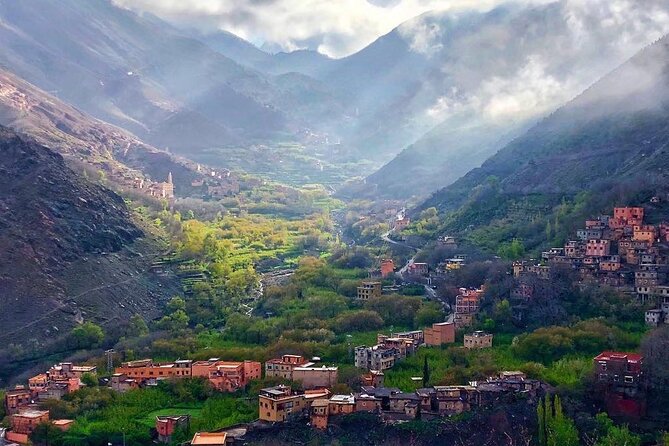
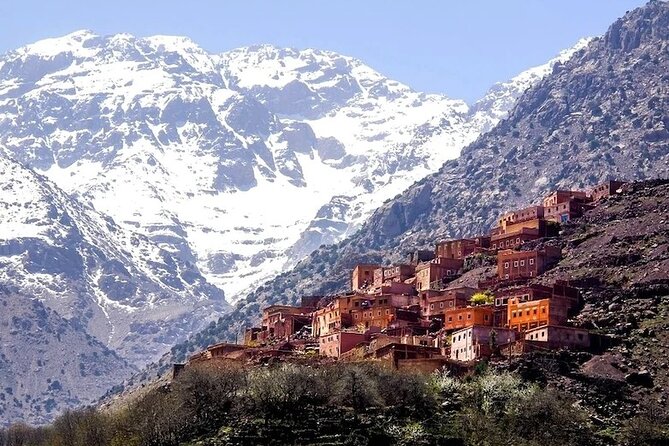
Once you hit the High Atlas Mountains, you’re not just there for a view. You’ll also see how Berber communities live in modest houses, and you’ll get a guided explanation of what you’re seeing as you go. There’s an admission ticket included for the main mountain portion, so you’re covered for that part of the day.
What I like about this approach is that it stops you from treating the mountains like a postcard. You get context. Even if you know a little about Morocco, walking through rural life in front of you makes the story more concrete—who lives here, how they adapt to the terrain, and what daily routines look like when you’re outside the city.
The possible drawback? If your guide’s English is limited, the context can shrink. One traveler described a driver who spoke very little English, which meant they didn’t get much commentary about the mountains or lifestyle during the ride. If interpretation is a big reason you booked, it’s worth being flexible, but also mentally prepared to rely on what your Berber host says during the home visit (which is usually where the story gets most personal).
Berber Home Visit: Tea, Bread, and Learning the Rhythm of Daily Life
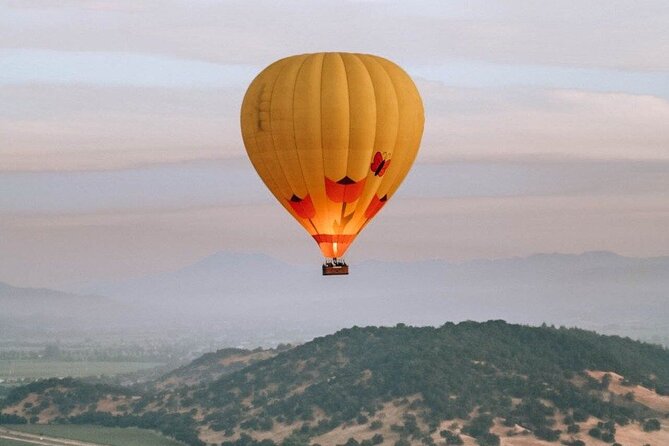
This is the emotional center of the trip. You leave the road and step into a Berber home experience where you learn from a Berber host about history and culture, and you also get to practice a key social ritual: tea.
You’ll be shown how to make traditional Moroccan mint tea, and you’ll typically be offered tea and bread. In the accounts I’m working from, people appreciated how warm and attentive the hosts were, and how the visit felt like a genuine introduction rather than a scripted sales stop. One person even noted that at places you visit, you aren’t pushed to buy anything—only if you want.
Here’s the practical value for you: tea isn’t just a drink. It’s a way to slow down and communicate. If you’ve ever struggled to understand why Moroccans treat hospitality like a serious craft, this kind of home visit helps you feel it in your hands, not just in your head. You learn the steps, and you watch how the host makes it part of the conversation.
One note: don’t count on snacks beyond what’s mentioned. Mineral water is included, and tea/bread may be part of the home visit, but one traveler noted no snacks or drinks were offered during their day. So I’d treat this as a day where you eat properly if you upgrade to lunch (more on that next), and otherwise bring a small personal snack if you get hungry fast.
Ourika Valley Trail Views: What You’ll See (and How to Enjoy It)
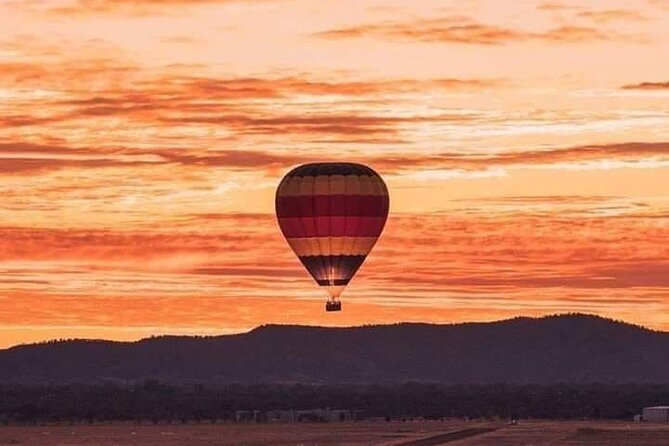
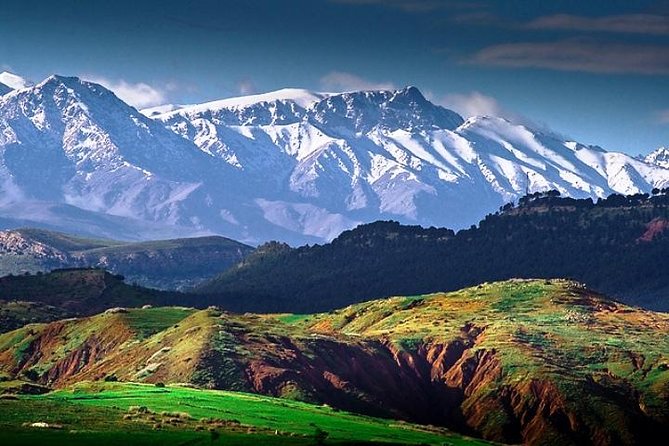
One of the highlights is getting views of the Ourika Valley from the mountain trail. This is your chance to see why Marrakech feels “far away” once you’re up here. Even in a short time, the valley views make the mountains feel real—far from flat, far from urban.
The trail walk is guided, and you should have a moderate physical fitness level. That means you don’t need to be a mountain athlete, but you should be comfortable walking on uneven ground. If you wear shoes with good grip and you’re okay taking a few slower steps, you’ll be fine.
My best advice: don’t rush your photos. When you pause to look, the valley views make sense. When you rush, you just end up with a bunch of “I was there” pictures. You want at least a couple frames where you can actually see the depth and the pattern of the terrain.
Camel Trekking Plus a Waterfall Walk: Fun, but Pace Matters

If you like animal experiences but want them guided and not scary, the camel trekking part is one of the big draws. It’s followed by a guided walk to a waterfall, which is a nice way to break up the day: motion first, then a calmer destination.
The key is pacing. You’ll be on a camel and then on foot, and the whole day assumes you can handle moderate effort. Plan on feeling it in your legs a bit—especially if you’re not used to uneven ground.
Also, timing matters. Because the schedule is compact, you’ll want to stay present when you’re moving between stops. Think of it as a series of short chapters rather than one long hike.
If you’re concerned about discomfort, wear supportive shoes and keep your expectations realistic. This isn’t described as a strenuous trek; it’s more like guided countryside time with a couple of active highlights.




Mint Tea Lesson and Berber Food: What the Lunch Upgrade Changes
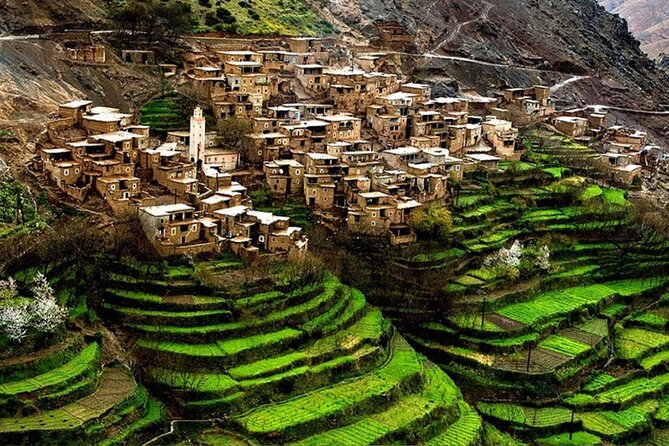
You’ll learn how to make traditional Moroccan mint tea as part of the experience, and you’ll also be introduced to the broader food rhythm of the region. In at least one detailed account, the host showed people how they make arga (a traditional bread made in a clay oven), along with tea and bread.
That’s more than just a cultural tidbit. It gives you a sense of how food is tied to home life and local resources. And once you’ve watched tea and bread being made, you’ll understand why Moroccans treat everyday meals like something worth sharing.
Then there’s the upgrade: you can include a traditional Berber lunch. For value, this upgrade can be the difference between a fun day and an actually satisfying one. If the tour schedule moves quickly and snacks aren’t guaranteed, lunch is your safety net—both for energy and for comfort.
If you’re the kind of traveler who hates “surprise hunger,” consider upgrading. If you’re already eating before and after, you might skip it—but don’t assume your stomach will be fine just because you’re having tea.
Guides and Group Size: Better Conversation, Less Chaos
The group size max is 15 travelers, which is a big deal. It’s not just a comfort factor; it also affects your ability to ask questions. Smaller groups mean your guide can actually respond instead of talking over everyone.
Transport is another part of the guide story. You’ll travel in a new-brand air-conditioned car/van or 4WD, and the driver/guide setup includes a friendly, multilingual team plus mineral bottled water. In several accounts, the pick-up and organization were praised as professional and attentive, with punctual hotel collection.
Guide names that came up include Abdul, Chakib, and Khalid. What I’d take from those examples is the quality pattern: clear explanations during the trip, photo-friendly stops when appropriate, and reassurance that you don’t have to buy anything at every stop. If you get that kind of driver, the whole day feels smoother.
The main consideration is language. If you get a driver with limited English commentary, you may still enjoy the home visit, but you’ll lose some of the background during the drive.
Price and Value: Is $254.46 a Good Deal?
At $254.46 per person, this isn’t the cheapest way to get out of Marrakech. But it also isn’t a bare-bones ride to a viewpoint. You’re paying for several things at once:
- Door-to-door pickup and round-trip transport
- Air-conditioned vehicle and mineral water
- Guided Berber home visit with tea-making
- Camel trekking and a guided walk to a waterfall
- Cultural context, plus an admission ticket for the main mountain portion
- Optional traditional Berber lunch upgrade
So the real value question is: how much do you care about guided cultural contact plus active countryside time? If you want a simple scenic drive, you’ll likely feel this is overpriced. If you want Berber hospitality, mint tea instruction, and a day that feels practical and structured, the price starts to make sense.
My rule of thumb: this is worth it when you use the included experiences fully. Don’t book it just for the “idea” of the mountains. Book it because you want the home visit, camel time, and waterfall walk, and you’re okay moving briskly.
Who This Atlas Mountains Day Trip Suits Best
This works best for people who want a structured rural day without planning every detail themselves. If you’re short on time in Marrakech, want fewer logistics headaches, and enjoy learning from hosts, you’ll probably love it.
It’s also a good fit if you’re comfortable with moderate physical activity. Camel trekking and a guided walk to a waterfall mean you can’t treat this as a purely seated tour.
Where it may be less ideal:
- If you need long, slow free time in one location
- If you expect highly detailed English narration during the entire ride (language may vary)
- If you want guaranteed snacks beyond what’s provided—pack a little backup
Should You Book This Tour? My Honest Take
If your goal is a morning of countryside reality—Berber home hospitality, mint tea instruction, camel trekking, and Ourika Valley views—this is the kind of trip that delivers. I’d especially recommend it to travelers who like meeting locals in context, not just taking photos and rushing off.
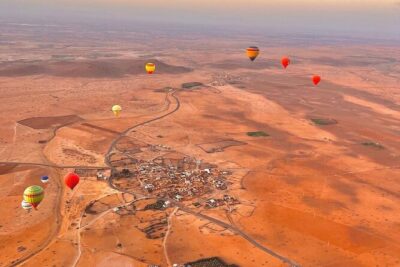
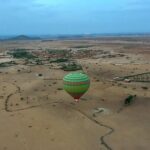
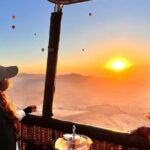
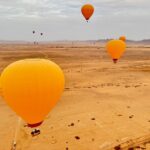
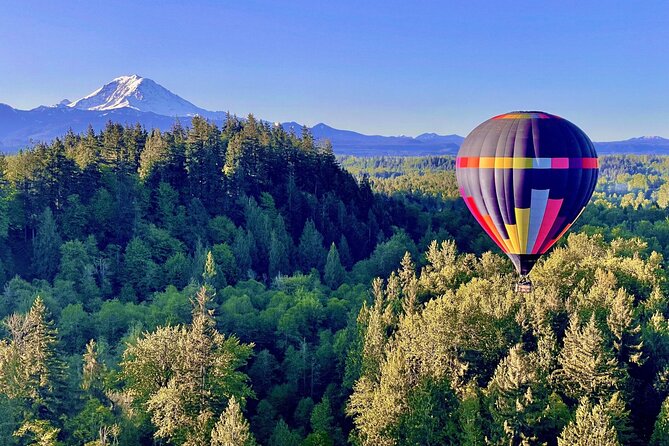
Before you book, do one practical check: confirm the exact inclusions you’re expecting for any hot air balloon element. Based on the details provided here, the focus is very clearly on the Atlas Mountains countryside and Berber cultural experiences. If the balloon ride is truly part of your booking, make sure you have it spelled out in your confirmation.
If you’re set on the Berber-countryside day, and you’re okay with a tight schedule, go for it. It’s one of those trips where the value is in the lived-in moments—tea, bread, and a guide who helps it make sense while you’re there.
FAQ
What time does the tour start in Marrakech?
The start time is 6:00 am.
How long is the experience?
The duration is listed as approximately 2 hours.
Is hotel pickup offered?
Yes, pickup from your Marrakech accommodation is offered as part of the experience.
What is included for transport?
You’ll travel by new brand air-conditioned car/van or 4WD, with mineral bottled water included.
Do I need any special fitness level?
You should have a moderate physical fitness level since camel trekking and a guided walk are part of the experience.
Is lunch included?
A traditional Berber lunch is available as an upgrade.
What cultural experience is included?
You’ll visit a Berber home and learn about Berber history and culture, including how to make traditional Moroccan mint tea.
What else will I do besides the home visit?
You’ll do camel trekking and take a guided walk to a waterfall, with views of the Ourika Valley on the trail.
What is the maximum group size?
The tour has a maximum of 15 travelers.
Can kids join?
Yes, children must be accompanied by an adult.