REVIEW · ASWAN
8 Nights Egypt Tour,Cairo,Luxor,Aswan&Abu Simbel,Nile Cruise,Hot Air Balloon
Book on Viator →Operated by Here Egypt Tours · Bookable on Viator
Cairo to Aswan in one trip sounds intense. This one is built for momentum: you get Cairo pyramids, Luxor temples, a hot-air balloon over the West Bank, and major stops like Abu Simbel without spending days booking your own logistics.
What I like most is the structure: you’re not hopping around day to day, and you’re guided by an Egyptology team that helps you make sense of what you’re seeing. I also like that the trip mixes a Cairo base, a Nile cruise with included meals, and overnight rail so you use travel time instead of losing it to daytime transfers—though the schedule is tight, and you should expect early starts plus long days around major sites.
In This Review
- Key points before you go
- The value of a Cairo-to-Aswan route that keeps you moving
- Price check: what $990 covers (and what you should budget extra for)
- Cairo arrival: your first win is not wrestling with logistics
- Giza day: pyramids, Valley Temple, and the Sphinx—set up for good photos
- The night train to Luxor: using travel time instead of losing it
- Luxor’s east bank temples: Karnak first, then Luxor Temple
- Hot-air balloon over Luxor: the West Bank experience starts before sunrise
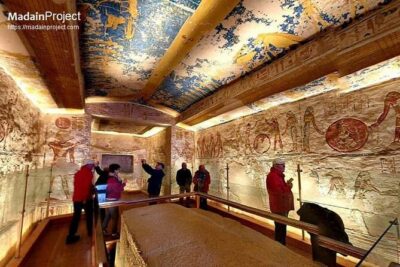
- Valley of the Kings with an expert guide: how to make it more than a stop
- Edfu by horse and carriage, then Kom Ombo at sunset
- Abu Simbel around 5 a.m.: one of the biggest commitments on the route
- Aswan High Dam and Philae Island: the cruise finale with real-world Egypt
- Back in Cairo: a night to recharge before your flight
- The guide factor: why the experience often feels smooth
- Group size and comfort: what it’s like day to day
- Who should book this Nile + balloon package?
- Should you book this 8-night Egypt tour?
- FAQ
- Does the tour include pickup service?
- What’s included in the Nile cruise portion?
- Are entrance fees included?
- Is the hot-air balloon ride included?
- How does the train travel work?
- Is Abu Simbel included, and when is it visited?
Key points before you go
- Max group size (20 travelers) helps keep the experience manageable while still running as a tour.
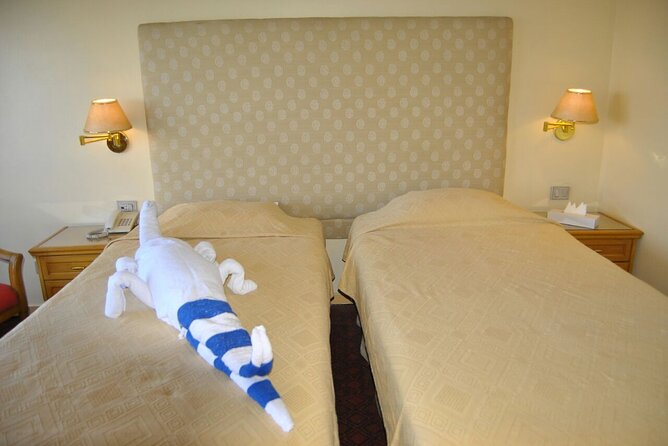
- Two Cairo hotel nights (3-star) give you a proper landing before the classic day trips.
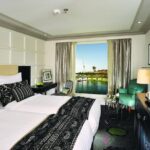
- Four nights on a 5-star Nile cruise include all meals during the cruise portion.
- Hot-air balloon in Luxor is scheduled early, with transfers set up around the activity.
- Abu Simbel at around 5 a.m. is a big commitment, but it’s one of the most iconic add-ons in the region.
- A/C first-class seated train tickets handle the key overland legs (Cairo ⇄ Luxor and back to Cairo after Aswan).
The value of a Cairo-to-Aswan route that keeps you moving
Egypt at this scale is hard to do “slow and independent” without lots of planning. This itinerary is designed to remove friction. You get set times, set transport, and a guide who stays with the group long enough to connect the dots between sites.
That matters because the big-name places can feel like a checklist if you don’t have context. With Egyptology guides on the key stops, the pyramids, Luxor’s temples, and the Valley of the Kings land with meaning instead of just wow-factor photos.
Also, the tour keeps your travel days from eating your best daylight. You’ll use an overnight train segment and cruise time, so you’re not constantly packing and unpacking hotels.
The trade-off: this is not a do-nothing vacation. You’re going to be on the go.
You can also read our reviews of more tours and experiences in Aswan.
- 4-Days Nile Cruise From Aswan To Luxor including Abu Simbel and Hot Air Balloon
★ 5.0 · 3,142 reviews
Price check: what $990 covers (and what you should budget extra for)
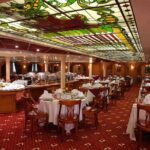
At $990 per person, the value is strongest if you plan to pay for a guide, the major transport legs, and most meals anyway. Here’s the part that’s easy to miss:
Included highlights:
- 2 nights in Cairo at a 3-star hotel with breakfast
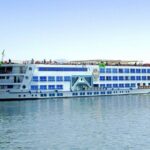
- 4 nights on a 5-star Nile cruise with meals (starting with lunch on cruise day and ending with breakfast on the last cruise day)
- Egyptology guide at the stops described in the program
- Hot-air balloon (included)
- Abu Simbel trip (included)
- A/C transportation, plus horse and carriage for the Edfu temple visit
- First-class seated train tickets (A/C)
- Taxes and charges and the sites named in the route
Not included:
- Entrance fees
- Tipping (recommended)
So when you’re doing your own math, the “real” cost depends on entrance fees and tips. If you travel with a group and don’t want to spend time comparing tickets, guides, and transport options, that’s where this package shines.
Cairo arrival: your first win is not wrestling with logistics
On Day 1, the process is straightforward. You arrive at Cairo International Airport, and a friendly representative meets you there. You get a quick orientation to Cairo and then you’re in a hotel for the night.
This matters for two reasons:
- You’re not trying to figure out where to go right after landing.
- You get a base night in Cairo (with breakfast the next morning) before the bigger day tours start.
If your flight lands early or late, having that meeting point reduces stress. The tour also uses pickup arrangements for the next day’s activities, which helps you get to the right place at the right time.
Giza day: pyramids, Valley Temple, and the Sphinx—set up for good photos
Day 2 is the classic “first Egypt” day, and the pacing is built for the main hits. You’ll be picked up from your hotel and driven to the pyramids area.
What you do there:
- Visit the three pyramids
- Stop at Valley Temple, noted as one of the most complete temples in the area
- See the Sphinx, with its human head and lion body
You also have time for rare photos. That may sound small, but it’s a big deal at Giza, where crowds and heat can rush everything. Having a guide who keeps the group moving while still allowing sight-friendly stops usually makes the experience feel less chaotic.
One practical note: entrance fees are not included, so plan on paying separately for the pyramid complex and related access.
The night train to Luxor: using travel time instead of losing it
After the pyramids day, you head to an overnight rail segment. The tour includes a representative pick-up at night to take the night train from Cairo to Luxor.
This is one of the smarter parts of the schedule because it changes what you do with the next day. Instead of spending your daylight trapped in transit, you’re already set up for Luxor temple time as the trip continues.
It also helps you mentally: the itinerary doesn’t keep “resetting” every morning with a new city and a new hotel. You just move along the route.


Luxor’s east bank temples: Karnak first, then Luxor Temple
Luxor Day 3 starts right after the train arrives. You’ll be collected from the Luxor train station and taken to the east bank.
The big two:
- Karnak Temple, described as the largest temple in the world
- Luxor Temple, a smaller but beautiful companion stop
This combination works because Karnak gives you the scale, and Luxor Temple gives you the more intimate temple experience.
Then the cruise comes into the picture. The itinerary includes a cruise-side disco party run by the cruise staff, which is a fun break from monuments mode. On a long trip, those small social moments help people unwind without leaving the group.
Hot-air balloon over Luxor: the West Bank experience starts before sunrise
Day 4 is your signature bucket-list morning. You wake early in Luxor for a hot-air balloon trip.
The flow is organized:
- Pickup from your Luxor hotel to the West Bank
- A motor boat transfer, with soft drinks served before the balloon launch
- You fly over the Luxor West Bank, called the biggest open-air museum
Then you jump straight into the Valley of the Kings on the West Bank.
The guide also handles the history side, including famous tombs such as Tut Ankh Amun. That’s exactly what you want after you’ve looked down at the sites from the sky: the view makes more sense when someone explains what you’re seeing and why it matters.
Timing note: the Day 4 block is long—about 8 hours—so plan for an intense day. If you’re not a morning person, this is the day to lean on your travel routine: water, snacks, and patience.
Valley of the Kings with an expert guide: how to make it more than a stop
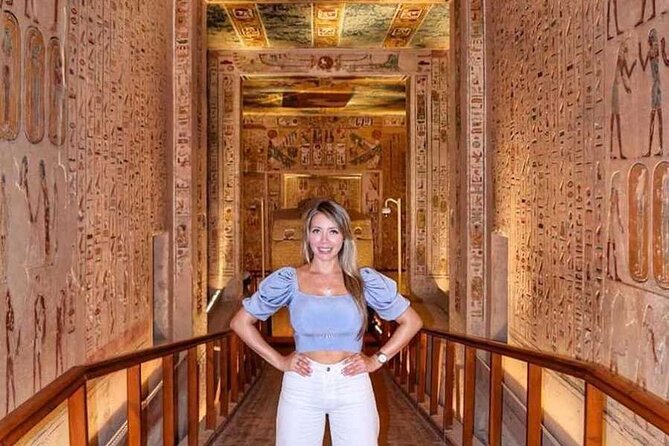
The Valley of the Kings is where many first-timers get lost in “which tomb is which” mode. This tour tries to prevent that by having an Egyptology guide talk through context during the West Bank portion.
You’ll also be told details about the famous tombs, including Tut Ankh Amun. Even if you don’t memorize everything, having someone explain the layout and the purpose of the sites makes your photos feel anchored instead of random.
Also, you’ll have already seen the West Bank from the air. That gives the Valley area a sense of geography, which helps you understand why the Valley is where it is and what it represents.
Edfu by horse and carriage, then Kom Ombo at sunset
Day 5 is a classic Nile rhythm: temples during daylight and cruise time between stops.
You start with horse and carriage to visit Edfu Temple, also known as the Temple of Horus. This is one of those moments that slows things down just enough to feel like you’re doing Egypt, not just touring it.
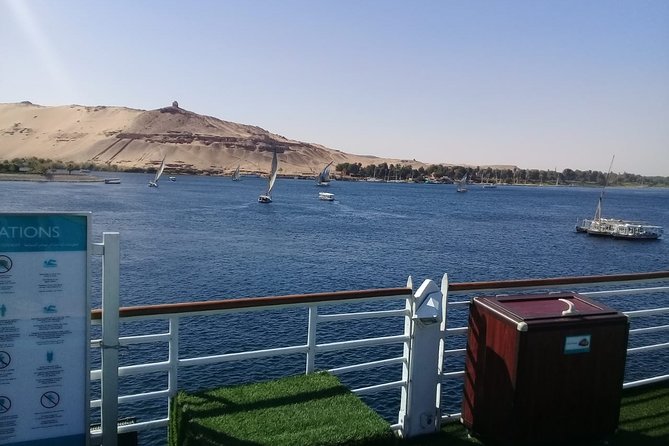
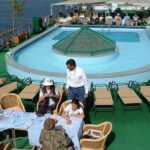
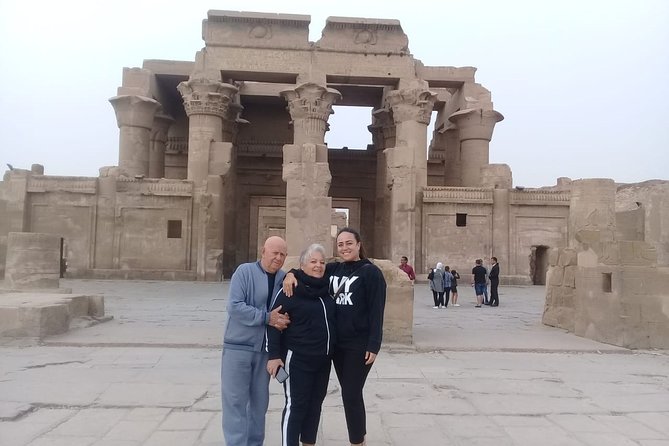
After that, the cruise continues sailing toward Kom Ombo. You’ll have time on the sun deck, and the itinerary includes the simple, very Egyptian pleasure of Egyptian tea while watching the river views.
Then comes Kom Ombo Temple, visited around sunset time.
Why this pairing works:
- Horus at Edfu gives you a full temple experience with a unique arrival method.
- Kom Ombo at sunset adds atmosphere and makes the stone-and-sky effect really strong.
Just remember: entrances are not included, so you’ll still be paying on-site.
Abu Simbel around 5 a.m.: one of the biggest commitments on the route
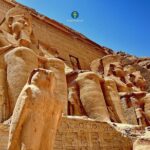
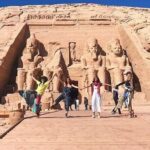
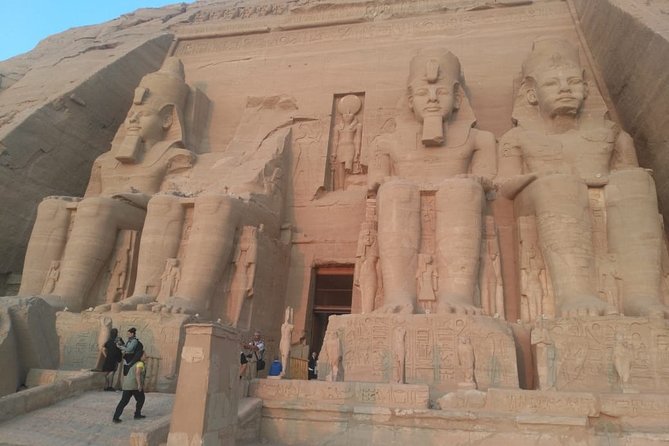
Day 6 starts with an early departure—around 5 a.m.—to visit the Abu Simbel Temple Complex.
That early timing is part of why Abu Simbel feels special. Even without extra explanation, you can sense you’re going somewhere that needs planning. The tour includes the Abu Simbel visit and then brings you back to Aswan by lunch time.
After that:
- You get rest in the afternoon
- You have a chance to visit the local market of Aswan in the evening
This is also where the “structured but not rigid” part matters. You’re not just dropping you at a site and leaving you to figure out the rest. You’re given time to recover and then gently transition into Aswan life.
If you’re prone to jet lag or exhaustion, this is the day you’ll want to be most careful with your energy.
Aswan High Dam and Philae Island: the cruise finale with real-world Egypt
Day 7 focuses on Aswan’s major landmarks with your Egyptology guide.
You’ll visit:
- Aswan High Dam
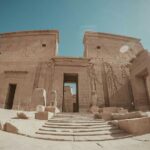
- Then you’ll take a boat ride to Philae Island (via a motor boat transfer after driving over)
This section balances the ancient with the modern. The High Dam is not “temple tourism,” and that’s a good thing. It gives you a bigger picture for how Egypt’s landscape and history relate to water and power.
After the Aswan tours, you head to the train station for the return rail to Cairo. You’ll then overnight on the train.
Back in Cairo: a night to recharge before your flight
On Day 8 you arrive in Cairo (Day 8 lists Ramsis station) and check into a hotel for the night. Then Day 9 is breakfast, and a final trip to the airport based on your flight schedule.
This is the underrated part of the itinerary. You’re not racing straight from the last sightseeing stop to the airport. You get a place to reset your body and get your bag-life organized—especially helpful if you picked up souvenirs in Aswan or picked up entrance-ticket receipts during the trip.
The guide factor: why the experience often feels smooth
The included Egyptology guides are a major reason this itinerary gets strong feedback. In one especially praised Cairo-and-Giza account, Mohamed Sayed is singled out as the best guide in Cairo/Giza. Another highlight is Mona, described as monitoring the entire trip and making sure everything was OK.
In Luxor and Aswan, Owf is also noted for making sure the group visited the right sites and received the information needed.
This matters because Egypt’s big sites can overwhelm your brain. When the guide knows the flow—how to sequence, explain, and keep you moving—it feels less like you’re being rushed and more like you’re being taught.
Group size and comfort: what it’s like day to day
With a maximum of 20 travelers, this tour tends to stay human-sized. That can help with:
- easier pickup coordination
- less waiting at key stops
- better group pacing
You’ll also have A/C transportation for the transfers that matter (airport to hotel, hotel to sites, and between major stops), plus the cruise portion and train rides that keep the “rest your legs” moments in the plan.
The biggest consideration is simply energy. This route includes early starts, temple walking, and long sightseeing days. If you know you do best with slower rhythms, you may find this schedule “full.”
Who should book this Nile + balloon package?
This tour is a strong match if:
- you want a structured Cairo-to-Aswan route without handling logistics
- it’s your first time seeing these “top stops”
- you like the idea of a Nile cruise with meals included for multiple nights
- hot-air balloon and Abu Simbel are non-negotiable for your trip
It’s less ideal if:
- you hate early mornings
- you prefer flexible, independent pacing with no set pickup times
- you’re mainly interested in one city and don’t care about moving through several major regions
Should you book this 8-night Egypt tour?
If you’re trying to cover the big monuments and want someone to manage the hard parts—guides, transport, and the high-drama timing of places like Abu Simbel—this tour is a solid deal for the money.
I’d especially consider it if you like the mix: city arrival in Cairo, temples in Luxor, Nile cruising downriver, and Aswan landmarks to close. The itinerary is dense, but the density is the point. You get a lot of Egypt in a short span without having to build the plan yourself.
Just budget for entrance fees and keep a little flexibility for a long day or two. If you do, the payoff is huge.
FAQ
Does the tour include pickup service?
Yes. A representative meets you at Cairo International Airport, and the tour also includes pickups for site visits (for example, from your hotel or station when you arrive in each city).
What’s included in the Nile cruise portion?
The trip includes four nights on a 5-star Nile cruise, with all meals during the cruise portion (starting with lunch and ending with breakfast on the last cruise day).
Are entrance fees included?
No. Entrance fees are not included. You’ll pay them separately on-site.
Is the hot-air balloon ride included?
Yes. Hot-air balloon is included in the itinerary during the Luxor portion.
How does the train travel work?
The tour includes A/C first-class seated train tickets for the key segments. The itinerary includes an overnight train from Cairo to Luxor and a return train to Cairo after the Aswan activities.
Is Abu Simbel included, and when is it visited?
Yes. The tour includes the Abu Simbel Temple Complex visit, scheduled for around 5 a.m. on Day 6, with a return to Aswan by lunch time.
You Might Also Enjoy


More Tour Reviews in Aswan
- 4-Days Nile Cruise From Aswan To Luxor including Abu Simbel and Hot Air Balloon
★ 5.0 · 3,142 reviews