REVIEW · CAIRO
4 Days Nile cruise luxor, Aswan,Hot air balloon&abu simbel with Train from Cairo
Book on Viator →Operated by Oceanus Tours and Travel · Bookable on Viator
That early-morning balloon changes everything. This fast-paced combo pairs a 5-star Nile cruise with guided temple time in Luxor and Aswan, plus the big wow moments: a sunrise hot air balloon and Abu Simbel. It is built for people who want the headlines of Egypt without spending weeks on logistics.
I love that the tour ties together Cairo–Luxor and Aswan–Cairo first-class train travel with door-to-door hotel transfers. I also like that you get an Egyptologist guide for the key sites, so you are not just looking at carved stone and guessing.
The main drawback to plan for is schedule intensity: lots of early starts (balloon and Abu Simbel) and long days of sightseeing, plus entrance fees and tipping are not included. And the train portion is described as first-class seating rather than a full service tourist experience, so you should assume English support may be limited on board.
In This Review
- Key things to know before you go
- Overnight Cairo to Luxor by first-class train (and why it works)
- Luxor West Bank: Valley of the Kings, Colossi of Memnon, and Hatshepsut
- Valley of the Kings
- Colossi of Memnon
- Temple of Hatshepsut
- The sunrise balloon over Luxor: the moment you remember
- Karnak and Luxor Temple after breakfast (plus your cruise launch)
- Karnak Temple
- Luxor Temple
- Sailing to Esna and onward to Edfu
- Edfu and Kom Ombo: the horse-and-carriage stop and the double temple
- Edfu Temple (Horus)
- Sailing to Kom Ombo
- Kom Ombo Temple (Sobek and Haroeiris)
- Abu Simbel by early pickup: the long drive that pays off
- Philae Temple in Aswan: finishing with Isis
- Price and logistics: is $750 a fair deal?
- The kind of traveler this suits (and who should reconsider)
- Should you book this Luxor, Aswan, balloon, and Abu Simbel package?
- FAQ
- How many days is this tour?
- Are the round-trip trains from Cairo included?
- Does the tour include a hot air balloon ride?
- What temples does the itinerary include?
- Are entrance fees included in the tour price?
- What meals are included?
- What happens if the hot air balloon is canceled due to weather?
- What happens if Abu Simbel is canceled due to weather?
- What is included for in-transit comforts like Wi-Fi and drinks?
- Is tipping required?
Key things to know before you go
- Sunrise balloon over Luxor (about 35–45 minutes in the air) with pickups around 4:30 to 5:00 am
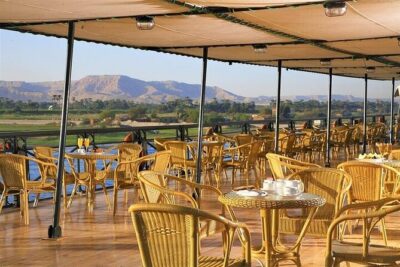
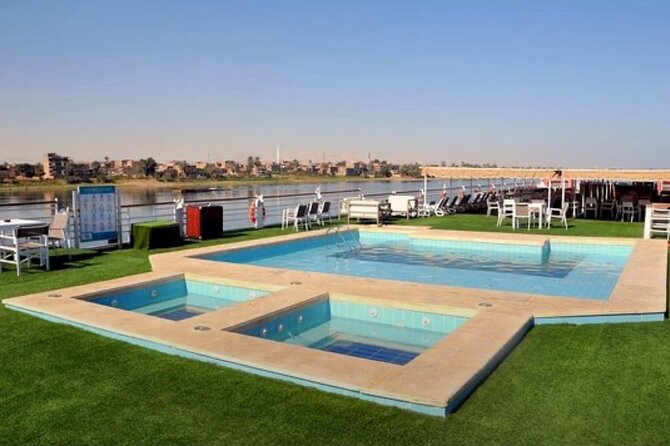
- 3 nights on a 5-star Nile cruise with meals from lunch on day 1 through breakfast on day 6
- Egyptology-guided Luxor and Aswan temple visits, including Karnak and Luxor Temple
- West bank classics: Valley of the Kings, Colossi of Memnon, and the Temple of Hatshepsut
- Abu Simbel as a morning mission: early departure, rock-cut Ramses II complex, return to Aswan around 2 pm
- Maximum group size of 20 for the overall experience
Overnight Cairo to Luxor by first-class train (and why it works)
This tour starts with a pickup from your Cairo or Giza hotel around 7 pm, then a drive to the train station. You take an overnight first-class sitting train to Luxor (about 10 hours), so you do not waste a full day commuting.
What I like about this approach is simple: you are already in travel mode, so sleeping on the train helps you stay sane once you hit Luxor’s early starts. The trade-off is comfort depends on your expectations. First-class seating is still a train experience, not a private cabin, and the tour notes it is an overnight seated option. If you are sensitive to noise and posture, consider the available upgrade to a sleeping train (extra fee, if offered by the operator on your booking).
Also plan on minimal in-train narration. One of the biggest practical issues with trains in Egypt is that station announcements and onboard explanation may not be fully in English. The good news: your local team should handle the main connections and arrivals, but you should still keep your passport and booking details easy to reach and keep an eye on your stop timing.
At the end of the trip, you repeat the travel rhythm: Aswan to Cairo on an overnight first-class sitting train (about 14 hours), then a driver meets you at the Cairo station for the transfer back to your hotel.
You can also read our reviews of more tours and experiences in Cairo.
Luxor West Bank: Valley of the Kings, Colossi of Memnon, and Hatshepsut
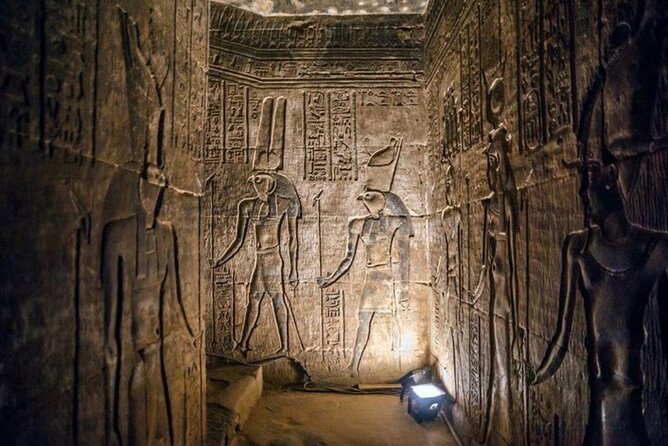
Day 2 is your Luxor West Bank day, and it is the right way to start. You get the classic setting first: the Theban Necropolis on the west bank, where pharaohs were carved into cliffs and the desert becomes part of the story.
Valley of the Kings
You visit the Valley of the Kings, where more than 60 royal tombs are carved into mountain cliffs. The standout here is the sense of time layering: tomb entrances and corridors feel less like one stop and more like a whole civilization’s afterlife planning.
The guide focus matters. You should expect explanations tied to major finds and famous tombs, including the tomb linked to Tutankhamun. That context turns the visit from sightseeing into understanding why these tombs were built where they were.
One practical note: entrance fees are not included, so you will need to budget for the Valley of the Kings ticket in addition to your tour price.
Colossi of Memnon
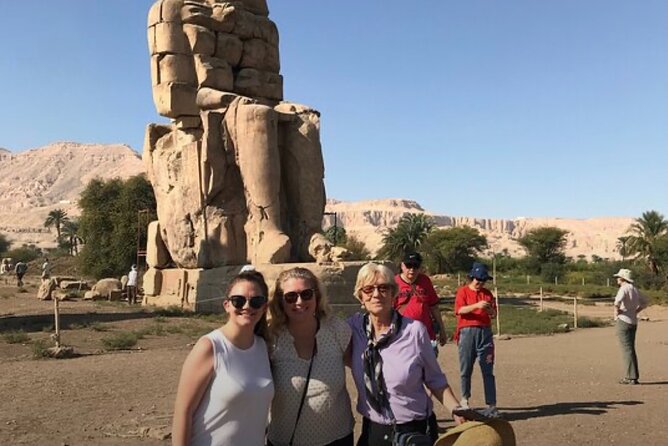
Next are the Colossi of Memnon, the surviving remains of the funerary temple of Amenophis III. This is a good break from climbing and enclosed corridors. The statues are big enough that you can feel the scale even if you are a little tired.
Temple of Hatshepsut
Then you head to the Temple of Hatshepsut. It is famous for being associated with one of the rare women rulers in ancient Egypt, and the tour description emphasizes her story and regalia details as you explore the temple.
Where this stop shines is how it balances spectacle with narrative. If you want Egyptian history that is not just dates, this is one of those moments where the guide can make the place click quickly.
After the temple circuit, you return to the east bank area to check in to the cruise, eat lunch, and then you have some time to wander markets. That free time is not huge, but it is enough to pick up simple gifts and bottled water for later long days.
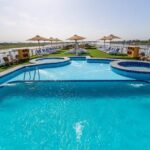

The sunrise balloon over Luxor: the moment you remember
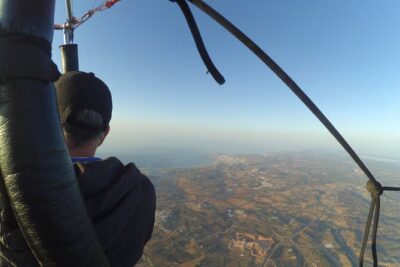
The hot air balloon is scheduled early. Pickups are around 4:30 to 5:00 am, and the flight time is about 35 to 45 minutes.
This stop is not about checking off a bucket-list box. It is about the view and the light. From above the west bank, the temples and mountain shapes look less like separate destinations and more like one big historical map. The tour notes you are flying over landmark areas and watching sunrise illuminate Luxor.
Two practical considerations:
- This is weather-dependent. If the balloon gets canceled due to bad weather, the policy says you receive a refund of $30 per person.
- Children under 6 are not allowed for the balloon trip.
Wear layers. It can feel colder before sunrise than you expect, and you will be waiting around for the pickup and briefing. Also bring sunglasses and something small to cover your camera lens, since Egypt’s early sky can be bright fast.
Karnak and Luxor Temple after breakfast (plus your cruise launch)
After the balloon, you come back to the cruise for breakfast, then head to Luxor’s east bank for the two big temple anchors.
Karnak Temple
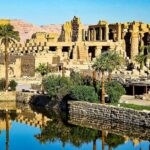
Karnak is the largest temple complex, built over about 2,000 years, and the visit includes photo time between massive pillars and obelisks. What makes Karnak work with a guided tour is how the guide can explain what you are seeing: the mix of eras, the purpose of the spaces, and how all the pieces relate to each other.
Plan for a “stop that takes time.” Even when the guided portion moves smoothly, it is easy to slow down because the carvings and columns invite close looking.
Luxor Temple
Then you visit Luxor Temple, another key site on the east bank. This part tends to feel more approachable than Karnak because it is easier to picture the flow of sacred space.
By around 1:30 pm, your cruise starts sailing. That timing matters because it gives you a nice break between temple walking and the evening cruise rhythm.
Sailing to Esna and onward to Edfu
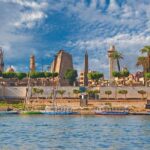
During the sail, you pass Esna lock and continue to Edfu for the overnight. The tour description highlights watching the river’s islands and greener stretches as you travel. You can also settle into cruise life: this portion is where you stop rushing and let the Nile do its job—slow you down after long mornings.
Edfu and Kom Ombo: the horse-and-carriage stop and the double temple
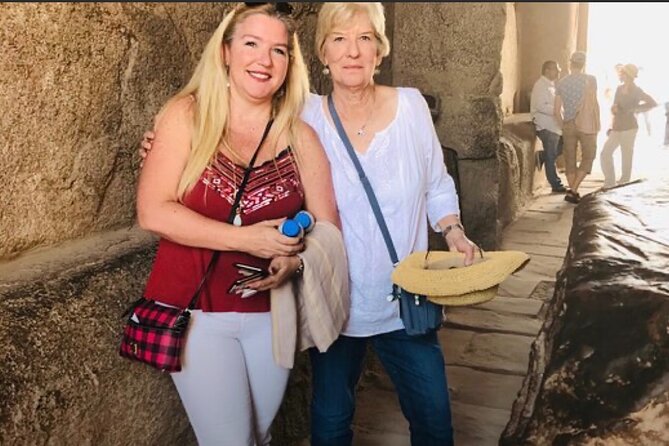
Day 4 is your Edfu and Kom Ombo day, spread across the river.
Edfu Temple (Horus)
After breakfast, you go to Edfu Temple. The tour notes a horse and carriage ride as part of this stop, which can be a fun change from all the walking and bus time.
Edfu Temple is described as the most well-preserved temple in Egypt dedicated to the falcon god Horus. That is the type of detail you want from a guided day: it tells you what to look for as the guide points out patterns and sacred symbolism.
As always, entrance fees apply for the temple experience unless your ticket includes them.
Sailing to Kom Ombo
Then you enjoy time along the Nile as the cruise moves toward Kom Ombo. The tour description also mentions an Egyptian tea moment during sailing, which is a small thing but a good way to feel the pace shift.
Kom Ombo Temple (Sobek and Haroeiris)
In Kom Ombo, you visit the double temple shared by Sobek (crocodile-headed god) and Haroeiris (falcon-headed god). A double temple is an easy way to make sense of Egypt’s religious system because it shows how different divine roles could live side by side.
This stop works best when you let the guide explain why the temple is structured the way it is, rather than just photographing everything. The carvings often tell stories—if someone points out what to read first.
You overnight in Aswan, which sets up the two massive Aswan days: Philae and Abu Simbel.
Abu Simbel by early pickup: the long drive that pays off
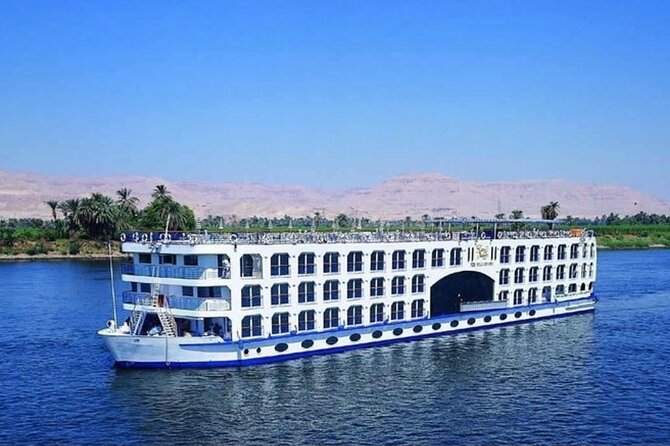
Abu Simbel is the heavyweight. You get picked up around 4:30 am from Aswan for a small-group visit.
The schedule is intense but clear:
- Drive about 3 hours to Abu Simbel
- Spend about 90 minutes on site
- Drive back about 3 hours
- Return to Aswan around 2 pm
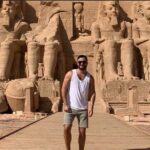
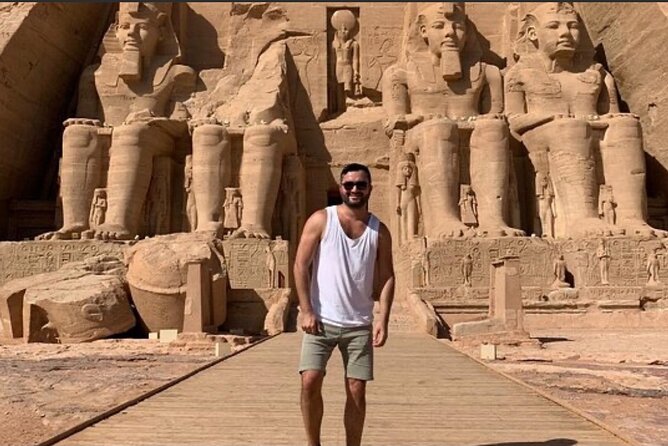
The temples are the rock-cut creations associated with Ramses II and his beloved Queen Nefertari. The tour description points to the unique design built into the rock, so you should expect that to be the core focus as you look around.
A small-group format is mentioned, which is a plus because it usually means your guide can keep you moving without losing the human touch.
Weather check: if the Abu Simbel trip gets canceled due to bad weather, the policy says you receive a $30 per person refund.
One more detail to verify before you go: the itinerary notes Abu Simbel with admission ticket marked as free in the day-stop list, while the general tour notes say entrance fees are not included. You do not need to panic, but you should confirm what is actually covered on your specific booking so you do not get surprised at the gate.
Philae Temple in Aswan: finishing with Isis
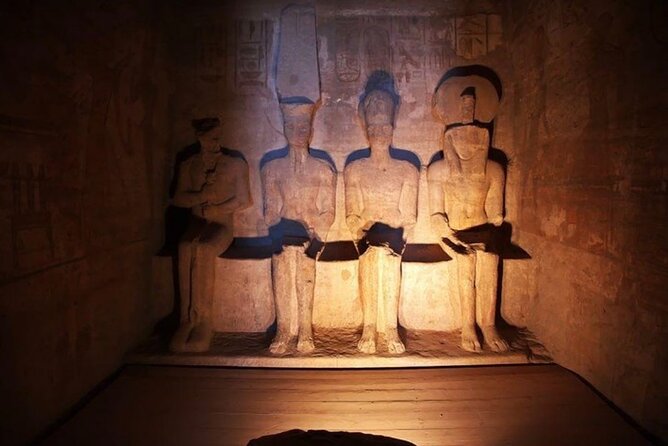
After Abu Simbel, you go to Aswan’s Philae Temple. The tour frames it around Isis, goddess of love and beauty, and this is a good final anchor after Ramses and the big west-bank tombs.
Your day includes a transfer to the Aswan train station afterward, then the overnight train to Cairo. So Philae is not a slow, lingering day. It is a focused stop to close out the Egypt hits while the rest of your schedule keeps moving.
Also note a practical payment detail from the tour info: you need to pay for the High Dam and the motorboat to Philae in Egyptian cash. For everything else, entrance fees are described as payable by card, when needed.
Price and logistics: is $750 a fair deal?
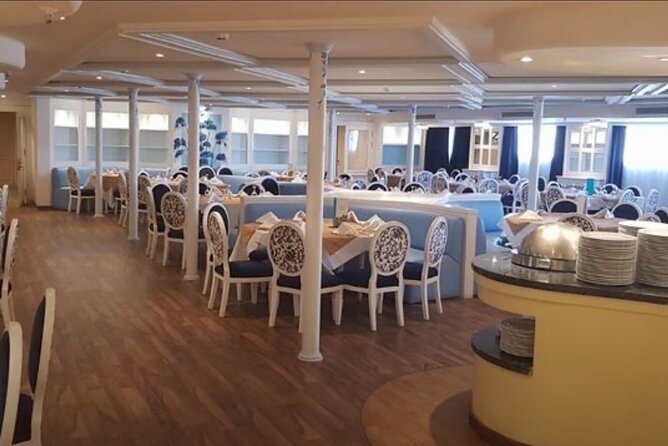
At $750 per person, you are paying for a compact version of Egypt: two major cities, a multi-night Nile cruise, an included Egyptologist guide, and headline experiences like a balloon and Abu Simbel.
Here is what the price appears to include:
- 3 nights on a 5-star Nile cruise
- Meals starting with lunch on day 1 and ending with breakfast on the last day
- The Egyptologist guide for the listed sightseeing
- The hot air balloon in Luxor
- Abu Simbel from Aswan (join a group)
- Round-trip Cairo train travel in first-class sitting seats
- Door-to-door transfers in Cairo or Giza (with extra fees for 6th Oct or New Cairo areas)
What is not included:
- Entrance fees for the sightseeing (plus tipping for crew, guide, and drivers)
- Water or drinks on the cruise
- Wi-Fi on the cruise
- Any extra hotel-airport style add-ons, where offered
So is it value? For the kind of itinerary that moves you from Cairo trains to Luxor temples to balloon sunrise to Abu Simbel and then Philae, the included train and cruise structure is the money-saver. You are not piecing together separate companies and separate tickets for every leg.
Where you can lose value is if your expectations are for fully relaxed days. This is a high-touch itinerary with a lot of sites. If you hate early mornings and long travel blocks, you might feel “stretched” even if the trip quality is strong.
The kind of traveler this suits (and who should reconsider)
This tour fits you well if:
- You want the main Luxor and Aswan highlights in one sweep
- You like guided context from an Egyptologist, not just museum-style viewing
- You are excited by early starts, especially the balloon and Abu Simbel pickup
- You prefer a guided group max size of 20 rather than solo chaos
You might reconsider if:
- You dislike train travel and you are very sensitive to seating comfort
- You need lots of free time to wander slowly (this schedule is built around specific timed stops)
- You are traveling with small children for the balloon portion (children under 6 are not allowed for that activity)
A small bit of practical advice: pack for fast changes in temperature and long days. You will have morning cold, daylight heat, and then cruise evenings. Bring a light layer you can put on quickly.
Should you book this Luxor, Aswan, balloon, and Abu Simbel package?
If your goal is to see major Egypt highlights with a guide and a real cruise bed already built into the plan, I think this is a strong option. The balloon sunrise and Abu Simbel early run are the type of experiences people remember for years, and the itinerary is designed so you do not have to figure out trains, timing, and site sequencing alone.
I would book it if you can handle an active pace and you are okay budgeting for entrance fees, tipping, and drinks. I would double-check the ticket coverage details (especially Abu Simbel and any site fees marked differently) so the day-of experience feels smooth.
On the trip-quality side, the overall service quality is described as very strong, with top-notch guides, drivers, and cruise staff. The flip side is that schedules can be disrupted in any big operator chain, so you should confirm your pickup timing clearly and keep essential documents ready.
FAQ
How many days is this tour?
It runs for about 6 days, including overnight train travel, three nights on the Nile cruise, and a final transfer to your Cairo or Giza hotel.
Are the round-trip trains from Cairo included?
Yes. First-class seated train tickets are included for Cairo to Luxor and then Aswan back to Cairo.
Does the tour include a hot air balloon ride?
Yes. A hot air balloon ride in Luxor is included, with pickup around 4:30 to 5:00 am and a flight time of about 35 to 45 minutes. Children under 6 are not allowed for the balloon trip.
What temples does the itinerary include?
You visit Valley of the Kings, Colossi of Memnon, Temple of Hatshepsut, Karnak Temple, Luxor Temple, Edfu Temple (Temple of Horus), Kom Ombo Temple, Abu Simbel, and Philae Temple.
Are entrance fees included in the tour price?
Entrance fees for the listed sightseeing are not included. The tour notes that you will pay by card for many site fees, but High Dam and the motorboat to Philae Temple require Egyptian cash.
What meals are included?
Meals start with lunch on the first day and end with breakfast on the last day. Breakfast is included for 3 mornings, lunch for 3 days, and dinner for 3 evenings.
What happens if the hot air balloon is canceled due to weather?
If the balloon trip is canceled due to bad weather, you are refunded $30 USD per person.
What happens if Abu Simbel is canceled due to weather?
If the Abu Simbel trip is canceled due to bad weather, you are refunded $30 USD per person.
What is included for in-transit comforts like Wi-Fi and drinks?
Wi-Fi on the cruise is not included, and water or drinks on the cruise are not included.
Is tipping required?
Tipping to the cruise crew, guide, and driver is not included, so you should plan to budget for it.