REVIEW · ISTANBUL
Jewels of Turkey – 4 Day Trip to Pamukkale Ephesus Cappadocia with Balloon Ride
Book on Viator →Operated by Travel Experts · Bookable on Viator
Four days, three regions, one sunrise balloon. What makes this trip interesting is the way it compresses Turkey’s biggest “wow” stops into a tight schedule with domestic flights and hotel pickup. I like the guided access that keeps you moving through Pamukkale and Ephesus without wasting hours. The trade-off: you’re on early mornings and flight timing, so any delay can ripple through the day.
If you want ruins, real countryside views, and the balloon ride moment people dream about, this is built for you. You’ll spend your time with licensed guides, included entrance fees for the main sites, and a mix of structured visits plus short breaks to soak in the scenery.
In This Review
- Key points before you go
- How this 4-day Turkey route really works
- Day 1: Pamukkale travertines and Hierapolis ruins in one sweep
- Hierapolis Ancient City: Roman-era hits you can actually see
- Pamukkale thermal pools: swim time and the barefoot “down the slope” walk
- Cleopatra’s pool: worth it if you want the clear-water version
- Lunch and a local stones workshop at Karahayit
- Laodicea Ancient City: a quieter Roman layer
- Optional paragliding over Pamukkale
- Evening: arrive in Kusadasi
- Day 2: Ephesus, the Virgin Mary’s House, and a Temple of Artemis stop
- Gazi Begendi Park: quick view of Kusadasi Bay
- The House of the Virgin Mary: a pilgrimage stop with quiet beauty
- Ephesus Ancient City: the “must-see” ruins with built-in context
- Selcuk lunch and a fast Temple of Artemis view
- Fly from Izmir to Kayseri, then transfer into Cappadocia
- Day 3: Cappadocia at sunrise with a real balloon flight
- Hot air balloon ride: prep, flight time, and champagne at the end
- Urgup and the semi-private tour style
- Göreme Open Air Museum and Tokalı Church: frescoed cave-church storytelling
- Ortahisar: panoramic views plus a weaving cooperative
- Avanos lunch and testi kebab, plus pottery traditions
- Uchisar panorama and Devrent Valley’s animal shapes
- Fairy chimneys: the group’s final visual payoff
- Day 4: Cave monasteries and Kaymakli Underground City
- Keslik Monastery: cave churches and a long timeline
- Sobesos Ancient City: motifs on colored stones and mosaics
- Uchisar lunch, then Pigeon Valley and pigeon houses
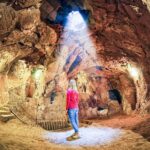
- Kaymakli Underground City: 8 levels and a big claustrophobia warning
- Hotels and meals: where the comfort budget matters
- Guides, communication, and how the tour keeps moving
- Price and logistics: is $1,902.11 a good deal?
- Practical tips to get the best from this trip
- Should you book Jewels of Turkey?
- FAQ
- Is the hot air balloon ride included?
- What time does the tour start?
- Are pickup and drop-off included in Istanbul?
- What luggage allowance applies on the domestic flights?
- Is vegetarian food available?
- Is this trip suitable if I have claustrophobia?
Key points before you go
- Packed highlights with domestic flights so you hit Pamukkale, Ephesus, and Cappadocia in 4 days
- Sunrise balloon ride (when selected) with balloon prep time and a champagne toast
- Small-group Cappadocia touring capped at 10 guests on the daily tours
- Pamukkale includes swimming time at the travertines, plus optional Cleopatra’s pool
- Local workshops and food stops like carpet weaving and Avanos testi kebab
- Watch the logistics: some parts depend on flight schedules and transfers
How this 4-day Turkey route really works
This trip is designed as a relay. You fly from Istanbul to the Pamukkale area, then you drive across to the Aegean coast for Kusadasi, and later you fly again into Cappadocia. That means less time “in transit by bus,” and more time at the sites you came for.
The upside is obvious: you get major attractions without switching hotels every few hours. The downside is just as real. Flight times matter. Your day can feel structured, but it’s still a schedule with moving parts—especially on the Ephesus-to-Cappadocia switch and your return flight back to Istanbul.
Also note the early start rhythm. The balloon pickup is sunrise time, and the experience lists a 4:00 am start. If you’re the type who hates alarms, plan your mindset now.
You can also read our reviews of more tours and experiences in Istanbul.

Day 1: Pamukkale travertines and Hierapolis ruins in one sweep
Day one starts with the journey from Istanbul toward Denizli/Pamukkale, then a drive to the Pamukkale area. Once you’re there, you jump straight into the big combo: ancient Hierapolis ruins plus the famous white travertines.
Hierapolis Ancient City: Roman-era hits you can actually see
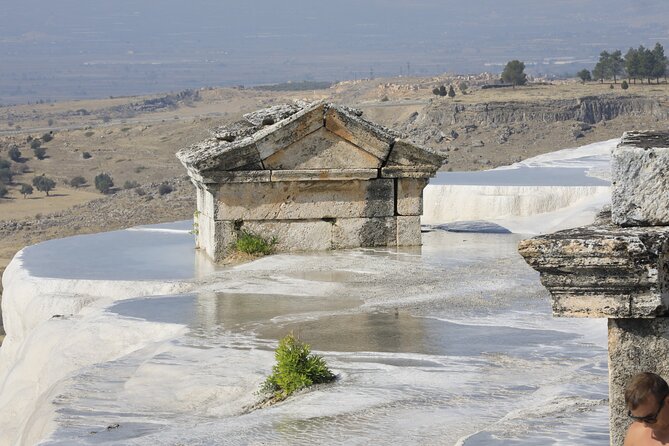
You’ll walk through a cluster of major stops inside Hierapolis: the Necropolis, Roman Baths, Domitian Gate, theater, and the Antique Pool area (among other points). Even when your time is limited, it’s not random wandering. Your guide gives you context so the ruins make sense, not just sit there as stones.
Practical tip: there are photo-friendly corners, and the route is designed so you’re not constantly backtracking. If you care about images, this is one of the easier days to capture them because the sites are dense and signposted.
Pamukkale thermal pools: swim time and the barefoot “down the slope” walk
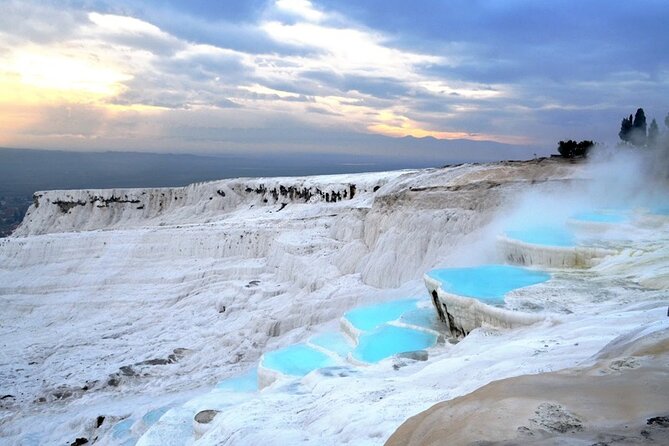
After Hierapolis, you get time to explore Pamukkale’s natural travertines and swim in the thermal pools for about 60–75 minutes. This is the part that feels most personal. You’ll see the white mineral terraces up close, and you get a real window to enjoy them rather than a quick look.
Then comes a guided walk across the travertines down the slope. The tour specifies walking in the middle of the travertines without shoes and socks—so expect cold stone, possibly slippery footing, and a need for calm balance.
Cleopatra’s pool: worth it if you want the clear-water version
Above the main travertines, there’s Cleopatra’s Pool (called the Antique Pool) in a modern spa setting. It’s fed by the same hot springs, but it’s not included. If you’re paying attention to the details, this option is for you—because it’s described as clear warm water, while the lower travertines are the classic white look.
I’d treat this as a choose-your-own-adventure add-on. If you’re happy with the included travertine swimming time, you might not need to pay extra. If you love the “history-meets-bath” idea, it’s the easy splurge.


Lunch and a local stones workshop at Karahayit
You’ll stop for lunch at a local restaurant, included. After that, you visit a traditional handcraft workshop at Karahayit where you’ll get a lecture about special stones/metals related to the Pamukkale region.
This is the kind of stop that makes the day feel less like a sightseeing checklist. It’s also a good place to ask questions like: what’s mined locally, what’s part of the mineral story, and how people make and use these materials today.
Laodicea Ancient City: a quieter Roman layer
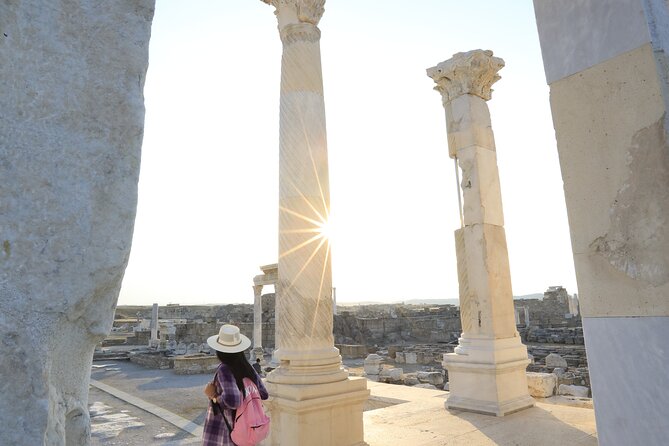
Later you’ll go to Laodicea Ancient City. This is not as globally famous as Ephesus, but the time works well because it balances the trip. You’ll see a wide historical spread, from very early periods through later Roman-era prosperity.
It’s a good reminder that Turkey’s ancient sites aren’t all the same “tour bus loop.” Some places feel calmer, and you get more room to breathe and look.
Optional paragliding over Pamukkale
There’s also an optional tandem paragliding attraction near the Pamukkale area. It’s not included. If you want a change of pace from walking and soaking, it could be fun—just remember you’re already doing a full day, so stamina matters.
Evening: arrive in Kusadasi
After the Pamukkale and Laodicea stops, you’ll transfer to your hotel in Kusadasi. The tour doesn’t include visits to two specific sights near the water (a renovated Byzantine fortress on Pigeon Island, and a caravanserai by the cruise port), but you’ll be dropped at your hotel. That’s actually useful. You can choose to go on your own schedule if you’re curious.
Day 2: Ephesus, the Virgin Mary’s House, and a Temple of Artemis stop
Day two is where the trip goes from “natural wonder + ruins” to “big ancient civilization.” You drive from Kusadasi toward Ephesus, with a photo stop on the way.
Gazi Begendi Park: quick view of Kusadasi Bay
You’ll stop at Gazi Begendi Park on a hill for photos over Kusadasi Bay. It’s short, but it sets the tone. This is one of those moments when the Aegean coast makes the rest of your travel feel real.
The House of the Virgin Mary: a pilgrimage stop with quiet beauty
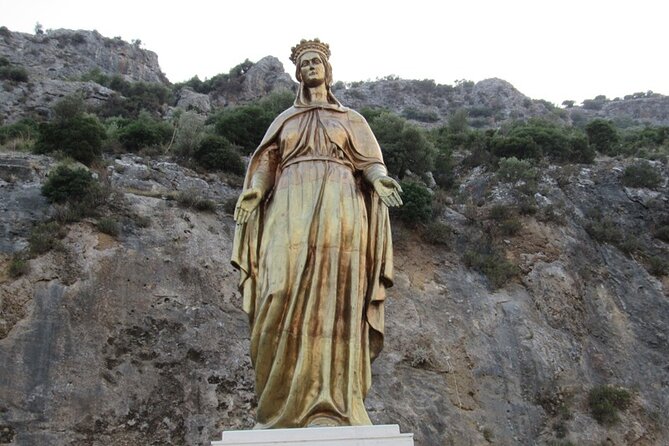
Next is the House of the Virgin Mary, described as a pilgrimage site claimed as her last home. The visit is about 45 minutes. The setting and the surrounding natural beauty are part of what you’re meant to notice—not just the building itself.
If you prefer secular sightseeing only, you might find this one less “archaeology” and more “place with meaning.” But the pace is gentle, and it breaks up the day before Ephesus gets intense.
Ephesus Ancient City: the “must-see” ruins with built-in context
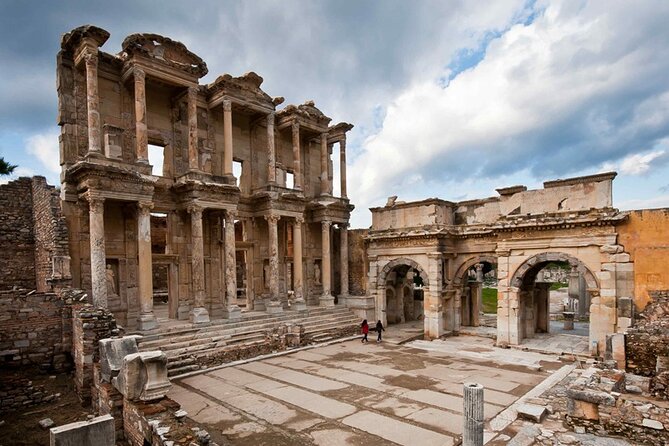
Then you’re into Ephesus. You’ll see the grand highlights: Celsus Library, the theater, Temple of Hadrian features, and more. You’ll also hear the story of Ephesus as a key harbor city in the ancient world, and connected to the Seven Churches reference.
Your guide covers major stops including the Agora and several fountains, gates, and theater elements. You’ll get a walking tour with enough time to understand why these monuments mattered.
One important note: Terrace Houses are passed by without stopping. That means you won’t spend time inside the famous residential area. If you care deeply about that specific attraction, you might want to plan extra time on your own outside this package.
Selcuk lunch and a fast Temple of Artemis view
Lunch is included in Selcuk at a local restaurant. After that, there’s a short visit to the Temple of Artemis, one of the ancient Seven Wonders. It’s brief, but it works because the site itself is a recognizable landmark next to the Ephesus area.
Fly from Izmir to Kayseri, then transfer into Cappadocia
After Ephesus, you transfer to Izmir airport for your domestic flight to Kayseri. From there, you get transferred to your hotel in Cappadocia.
This is a long day. I recommend packing yourself with comfort: water, snacks if you use them, and a calm expectation that the day won’t feel like a slow museum afternoon.
Day 3: Cappadocia at sunrise with a real balloon flight
Cappadocia mornings change people. This package builds the day around that sunrise moment, and you’ll understand why quickly once you’re up before the sun.
Hot air balloon ride: prep, flight time, and champagne at the end
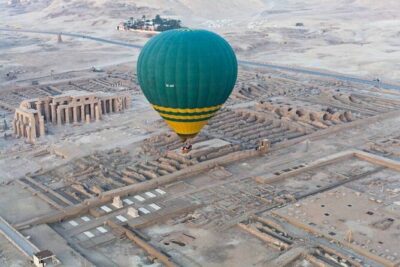
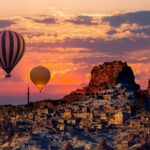
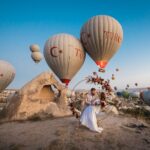
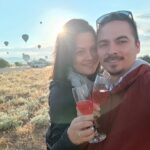
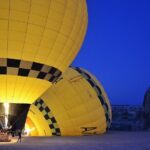
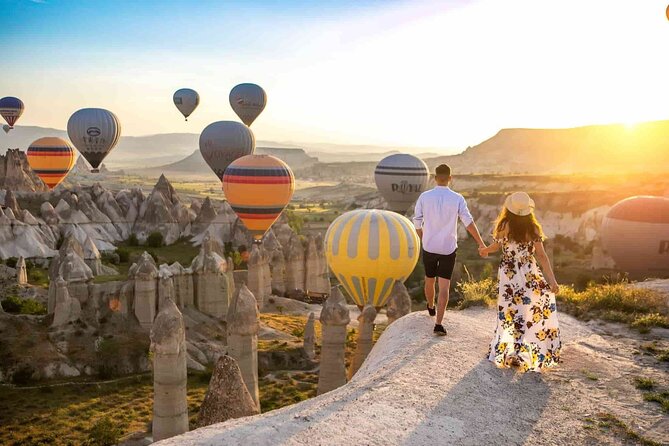
If your booking includes the balloon option, you’re picked up from your hotel and driven to the balloon site. You’ll watch balloons being prepared, then fly at sunrise.
The flight is described as around 60 minutes, with a comfortable altitude of about 700 to 1000 meters above the ground. The pilots can sometimes fly low (the info says as low as 1 meter) over rock formations for photo opportunities.
The total balloon activity is about 3 hours, and there’s a champagne celebration afterward. The whole thing is weather-dependent, and the Civil Aviation Authority determines whether flights operate.
Urgup and the semi-private tour style
After the balloon, you start a Cappadocia touring day. The daily tours are designed as semi-private, with a stated maximum of 10 guests. That matters because it tends to reduce the “herding” feel and helps guides slow down enough to explain things.
Göreme Open Air Museum and Tokalı Church: frescoed cave-church storytelling
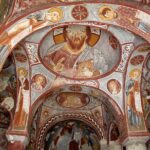
Göreme Open Air Museum is UNESCO-listed and is described as one of the earliest monasteries in Christian history. You’ll visit rock-hewn churches, including Tokalı Church (Buckle Church), noted for standout frescoes and theological/artistic significance.
The time is tight but focused: you get the main stops in one loop. This is also one of the easier ways to see Cappadocia’s “why it looks the way it does” without getting lost on your own.
Ortahisar: panoramic views plus a weaving cooperative
You get a panoramic visit of Ortahisar Castle (rock castle). The tour specifically says visits to the rock castle aren’t included due to walking difficulty and safety concerns, which is honest and helpful.
Then you’ll visit a cooperative connected to Turkish carpet weaving. You get a brief look at how carpets are crafted, which makes the day feel hands-on rather than purely scenic.
Avanos lunch and testi kebab, plus pottery traditions
You’ll have lunch in Avanos, with testi kebab suggested as the regional specialty (vegetarian options are mentioned). Avanos also connects to pottery production, with clay linked to the Kızılırmak river area.
Even a short stop here helps. Cappadocia isn’t only rocks and churches. It’s also craft traditions people still practice.
Uchisar panorama and Devrent Valley’s animal shapes
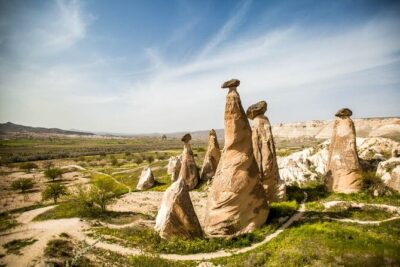
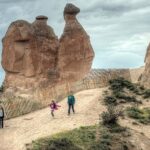
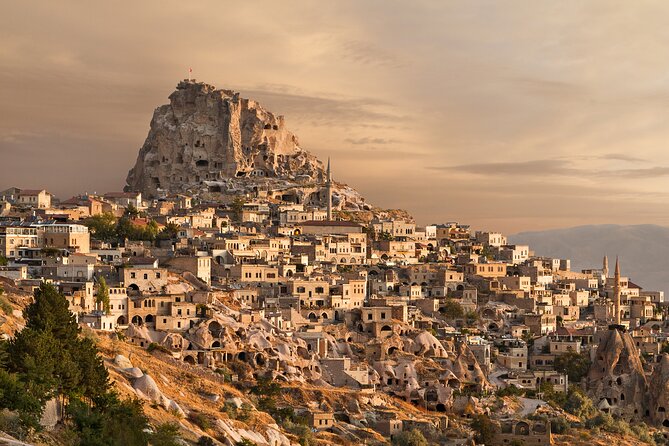
You’ll stop for a panoramic view of Uchisar rock castle, then go to Devrent Valley, also called Imagination Valley. It’s known for rock formations shaped like animals, often in red tones, with a camel shape highlighted.
This is a fun contrast to the more formal museum stops. You look at nature and try to identify the forms, kind of like a scavenger hunt with geology.
Fairy chimneys: the group’s final visual payoff
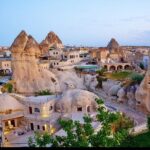
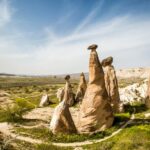
You’ll see many examples of the fairy chimneys during the tour. You don’t need to be a geology expert. Once you’ve looked at a few viewpoints, the shapes make sense and start to feel like a living world.
Day 4: Cave monasteries and Kaymakli Underground City
Day four is Cappadocia with its darker, cooler side: monasteries and underground spaces.
Keslik Monastery: cave churches and a long timeline
Keslik Monastery is described as the largest monastery in Cappadocia, with cave churches, refectory, a sacred spring, and cave rooms. The story runs from pre-Christian Roman burial grounds through Byzantine monastery life to modern-day tourism.
If you’re the type who likes when a site has an emotional arc, this one delivers. It’s also a good place to slow down because you’re not just “looking at a view”—you’re reading a complex place.
Sobesos Ancient City: motifs on colored stones and mosaics
Sobesos Ancient City was discovered in 2002 and includes intricate motifs set into the ground or on surfaces, plus floor mosaics with geometric patterns. This stop is shorter, but it adds texture to the trip.
Uchisar lunch, then Pigeon Valley and pigeon houses
You’ll have lunch in Uchisar at restaurants described as quiet and less touristy. Then you’ll visit Pigeon Valley for one of the best panoramic views of the area, plus pigeon houses built by earlier inhabitants.
If you like practical history—how people used space for survival—pigeon houses are a great angle.
There’s also mention of a possible onyx stone factory visit if you want it. The data doesn’t confirm it as included for everyone, so think of it as optional if it’s offered during the day.
Kaymakli Underground City: 8 levels and a big claustrophobia warning
Finally: Kaymakli Underground City. It’s described as one of the largest, spanning 8 levels, with only some areas open to tourists. You’ll hear how the first level was for animals, and how corridors connect churches and living areas, separated from stables.
You’ll see storage rooms, kitchens, cemeteries, communal spaces, and a copper workshop. There’s also mention of hidden tunnels that may still exist.
This is where the trip can feel intense. If you have claustrophobia, the tour explicitly says it’s not recommended.
Hotels and meals: where the comfort budget matters
One of the most praised parts of this trip is the hotel experience. The package lists specific hotels in Cappadocia and Kusadasi, and the general idea is “comfortable base so you can handle long days.”
Meals are another strong point. Lunches are included on key days, and the restaurants are described as local. In Pamukkale and Ephesus especially, the lunch stops break the walking rhythm with something more filling than a snack.
If you’re building a trip around a lot of walking and early mornings, these small comfort anchors matter more than they sound.
Guides, communication, and how the tour keeps moving
This experience leans on guide execution. The information says guides are licensed by the Ministry of Culture and Tourism, and the reviews reflect that kind of competence: drivers are described as professional and on-time, and guides are described as passionate about the places they teach.
One name came up around underground caves: Mustafa, connected with the underground city experience. That’s a reminder that a good guide turns a “tour” into an education you can feel.
Communication also seems to be a strong point. One review highlighted WhatsApp-style communication as a help for keeping pickup timing clear. If you do book, make sure you’re reachable and ready to respond when messages come in.
Price and logistics: is $1,902.11 a good deal?
At $1,902.11 per person for about 4 days and 3 nights, you’re paying for a specific bundle: domestic flights, hotel transfers, guided tours, included entrance fees, and multiple restaurant lunches.
That can be strong value if you hate planning and you want the route stitched together for you. Domestic flights inside Turkey alone can add up fast, and adding guided access plus included museum and ruin entries reduces the “hidden costs” that wreck tight budgets.
But here’s the honest caution: because the trip depends on flight schedules, some guests reported timing problems and transfer frustrations. In at least one case, a flight timing cut the day short and reduced lunch time. In another, transfers and hotel placement didn’t match expectations.
So I’d treat the price as good value for an organized, high-energy trip—not as a guarantee of perfect timing every minute. Your best move is to be flexible about travel-day stress and to double-check your domestic flight times close to departure.
Also remember the balloon ride. The tour highlights balloon as an add-on/upgrade, and the included balloon details depend on your selected package. If balloon is your must-do, confirm it’s truly selected for your booking before you go.
Practical tips to get the best from this trip
Here are a few ways to make this tour feel smoother without trying to outsmart it:
- Plan for early mornings. The balloon start is around sunrise, with a stated 4:00 am tour start time.
- Bring what you need for Pamukkale pool time, since swimming at the travertines is part of the day.
- Use comfortable shoes. You’ll walk multiple days across uneven stone and museum-like routes.
- If you have claustrophobia, skip Kaymakli or reconsider the whole trip. The underground city is part of the standard route.
- Pack lightly enough for 15 kg checked luggage plus an 8 kg hand bag per domestic flight, since the allowance is specified.
- Stay on top of passport details. The operator can request them to book domestic flights, and missing details can block ticketing.
Should you book Jewels of Turkey?
Book it if you want a fast, guided sweep of Turkey’s headline attractions—Pamukkale travertines, Ephesus ruins, and Cappadocia with a balloon at sunrise—and you prefer not to arrange the flights and major logistics yourself.
Skip it or reconsider if you’re sensitive to schedule changes. If your trip style needs deep breathing room and zero flight-related stress, the domestic flight rhythm might feel too tight. Also think carefully if underground spaces trigger anxiety.
If you do book, treat this as a “big highlights” tour with real craftsmanship in guiding and pacing. For the right traveler, it’s a whole lot of Turkey in one package—and the balloon morning is the kind of moment you’ll still remember months later.
FAQ
Is the hot air balloon ride included?
The balloon ride is described as an add-on/upgrade option, and the hot air balloon details are listed with included language for the balloon tour portion. The timing and whether it’s included depend on the package option you choose, so confirm balloon inclusion in your booking.
What time does the tour start?
The experience lists a start time of 4:00 am.
Are pickup and drop-off included in Istanbul?
Hotel pickup and drop-off services are included in Istanbul, but the info states there is no pickup/drop-off service if your hotel is inside Istanbul’s IST or SAW airports.
What luggage allowance applies on the domestic flights?
You’re given 15 kg luggage plus an 8 kg hand bag quota per person for each domestic flight, and extra luggage capacity may cost more.
Is vegetarian food available?
Yes. Vegetarian options are available, and you should advise your needs at the time of booking.
Is this trip suitable if I have claustrophobia?
It is not recommended for travelers who have claustrophobia, because part of the trip includes an underground city visit.